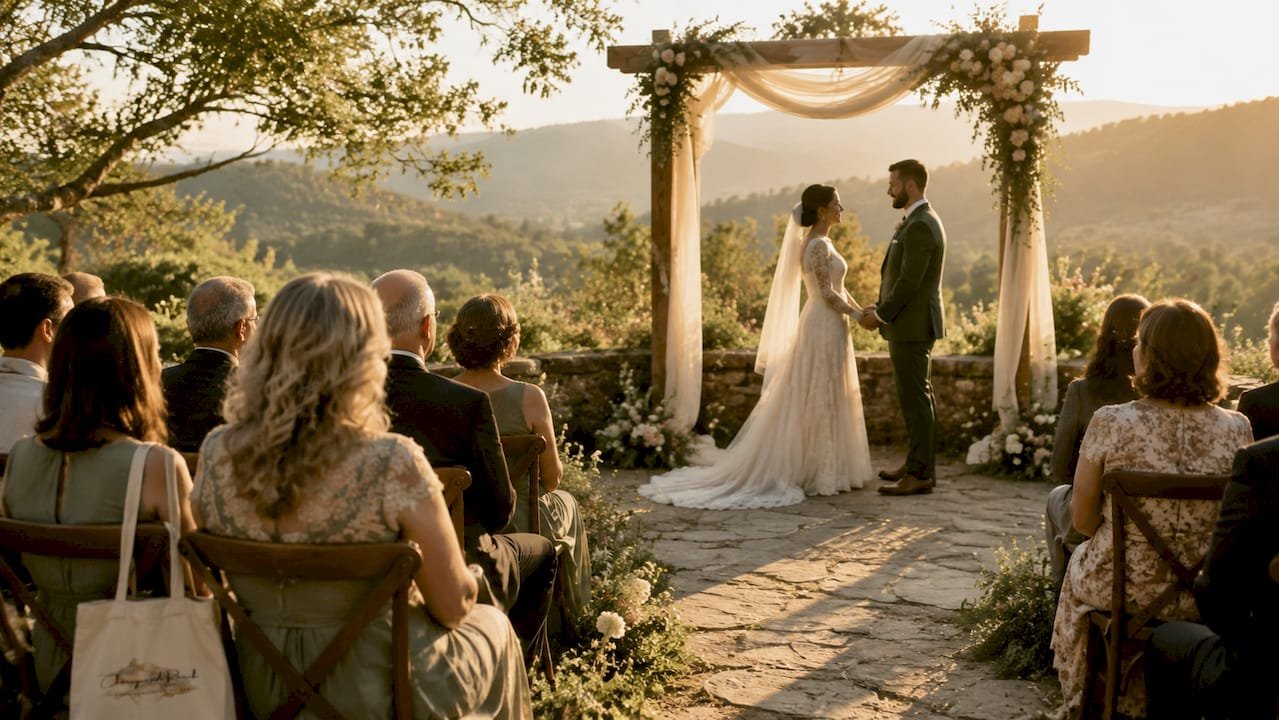
A countryside wedding venue is defined as an event space set in rural, natural surroundings, such as renovated barns, working farms, vineyards, or mountain lodges, that prioritizes scenic landscapes, privacy, and a personalized celebration over the formality of urban ballrooms. The industry term for this category is “rural wedding venue,” though “countryside wedding venue” has become the widely accepted shorthand among couples and planners alike. These locations range from 27 to 250+ acres, giving couples room to breathe, spread out, and build a wedding day that feels genuinely theirs. If you are researching countryside wedding locations and wondering whether this style fits your vision, the answer comes down to three things: natural beauty, privacy, and flexibility.
What is a countryside wedding venue, and what sets it apart?
The defining feature of a countryside wedding venue is that nature does the heavy lifting. Rolling hills, open fields, mature trees, and mountain backdrops replace the chandeliers and carpeted corridors of traditional hotel ballrooms. Experts describe this as the “nature-as-decor” philosophy, where wood, stone, and natural textures create a romantic backdrop that no amount of staging can fully replicate in an urban setting. The result is a sophisticated ambiance that feels earned rather than manufactured.
The 2026 trend pushes this further with what planners call “refined rustic” venues. These are not the hay-bale-and-mason-jar spaces of a decade ago. Think glass-walled pavilions, climate-controlled barn interiors, and polished stone floors, all surrounded by acres of untouched countryside. The aesthetic blends luxury with nature rather than choosing between them.
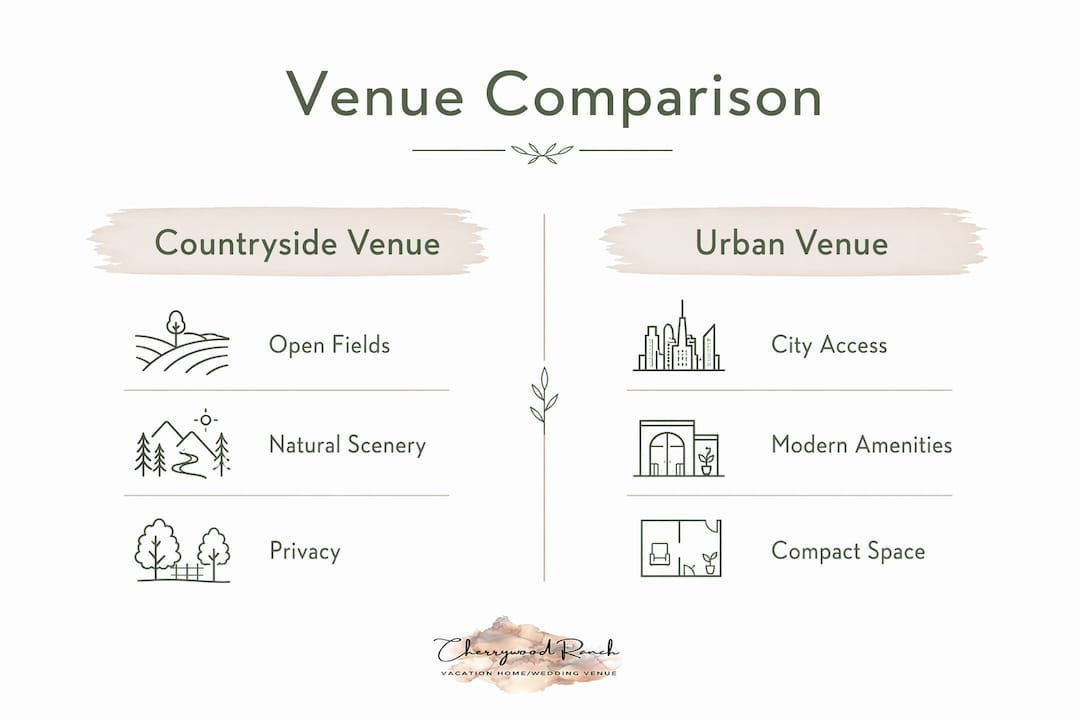
Here is how countryside venues compare to their urban counterparts across the features couples care about most:
| Feature | Countryside venue | Urban venue |
|---|---|---|
| Setting | Open fields, hills, forests, mountains | Indoor halls, rooftops, hotel ballrooms |
| Privacy | High, often exclusive-use property | Shared facilities, neighboring events |
| Decor philosophy | Nature as backdrop, minimal staging needed | Requires full decor build-out |
| Guest capacity | Flexible, tied to acreage | Fixed by room dimensions |
| Lodging on-site | Often available | Rarely included |
| Atmosphere | Relaxed, scenic, unhurried | Formal, structured, time-pressured |
Pro Tip: Visit any venue you are seriously considering at the same time of day as your planned ceremony. Afternoon light in an open field looks completely different from morning light, and that difference shapes your entire photo gallery.
What logistical challenges come with rural wedding venues?
Rural wedding venues require more planning than urban spaces, and the couples who handle this well are the ones who start early. The four areas that catch most couples off guard are power, transportation, weather, and sanitation.
-
Power and lighting. Natural light is beautiful until about 6:00 PM. After that, professional string lighting and indoor backup become non-negotiable for evening receptions. Many countryside venues supply generators or have dedicated electrical panels, but confirm this in writing before signing any contract.
-
Guest transportation. Rural areas typically lack ride-share coverage, which means your guests cannot simply open an app at the end of the night. Pre-arranged shuttle services between the venue and nearby hotels are the standard solution. Book these at least six months out, especially for peak-season dates.
-
Weather contingency. The best countryside venues treat their wet-weather backup as a feature, not an afterthought. Permanent pavilions or finished barn interiors are far preferable to a last-minute rental tent. Ask to see the backup space on your site visit, and confirm it is included in your rental contract.
-
Sanitation and plumbing. This is the detail most couples skip, and it is the one that can derail a 150-person reception. Check septic system capacity before you commit to a guest count. A venue that looks perfect on Instagram may be running a system designed for 50 people, not 150.
-
Vendor booking timelines. Local catering and floral suppliers book out fast in rural markets because there are fewer of them. Locking in your vendors six to twelve months ahead is not overcautious. It is the standard practice for countryside weddings.
Pro Tip: Ask your venue coordinator for a list of vendors they have worked with before. Local suppliers who know the property already understand its quirks, from where the best light falls to which loading dock the caterer should use.
How does on-site lodging change the guest experience?
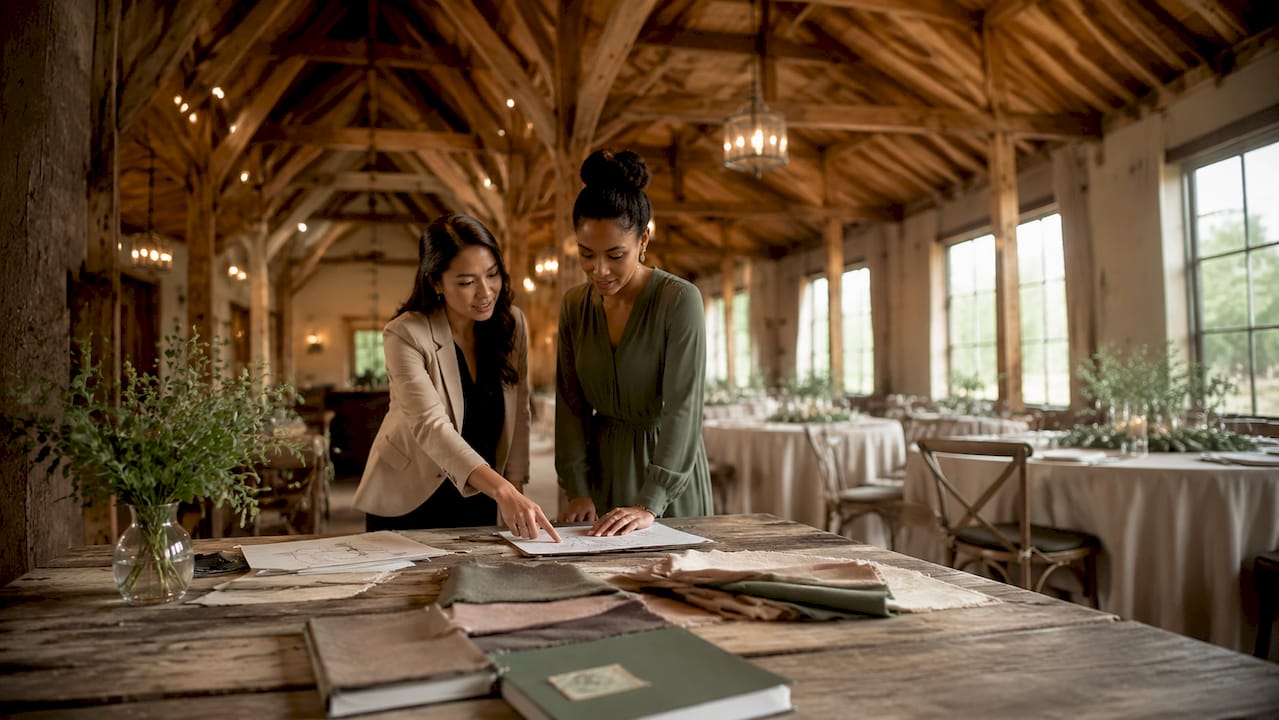
On-site lodging transforms a wedding from a single-day event into a full weekend. The “destination weekend” wedding trend has grown steadily because couples and their families want more than four hours together in a reception hall. When everyone sleeps on the same property, the celebration extends naturally into a shared breakfast the next morning, a late-night swim, or a quiet walk through the grounds before checkout.
Venues with multi-building compounds can host 10–17 guests on-site, which covers most intimate wedding parties comfortably. That number typically includes the couple, the wedding party, and immediate family. The practical benefit is significant: no one is rushing to catch a ride, no one misses the first dance because they got lost, and no one wakes up in a generic hotel room the morning after.
The lodging options at countryside venues vary widely:
- Cabins and cottages scattered across the property for a private retreat feel
- Main house or lodge with shared common areas for group gathering
- Glamping setups with furnished tents for couples who want outdoor immersion without sacrificing comfort
- Multi-bedroom vacation homes that function as a single rental for the entire wedding party
Cherrywoodranchweddingvenue combines all of these elements at its North Georgia Mountains location. The property functions as both a wedding venue with lodging and a luxury vacation home, accommodating up to 16 guests with resort-style amenities including a pool and hot tub. That combination removes the logistical headache of coordinating off-site accommodations entirely.
How do you choose the best rural wedding venue for your vision?
Choosing a countryside venue is a process of matching your priorities to what each property actually delivers. Start with these factors:
- Accessibility vs. seclusion. Balancing remoteness with practical access is the central tension of every rural venue search. You want guests to feel like they have escaped the city. You do not want them spending two hours on unpaved roads to get there. A venue within 90 minutes of a major airport or city center hits the sweet spot for most couples.
- Venue size relative to your guest list. A 250-acre property feels intimate with 30 guests and chaotic with 300. Match the acreage and layout to your actual headcount, not your aspirational one.
- Included amenities. Some venues provide tables, chairs, a catering kitchen, and a bridal suite. Others hand you a field and a key. Know exactly what is included before comparing prices.
- Seasonal suitability. A venue that looks stunning in october may be muddy and inaccessible in march. Ask for photos from every season, and ask specifically about your wedding month.
- Vendor flexibility. Some countryside venues require you to use their preferred vendor list. Others give you full freedom. If you have a specific caterer or photographer in mind, confirm compatibility before you fall in love with the space.
- Backup plan quality. As noted above, the indoor or covered alternative must be as visually appealing as the outdoor site. If the backup is a cinderblock storage room, keep looking.
When you visit a venue in person, walk the full property. Sit in the ceremony space for five minutes. Stand where your guests will stand. The feeling you get in those quiet moments tells you more than any brochure.
Key Takeaways
A countryside wedding venue delivers privacy, natural beauty, and flexibility that urban venues cannot replicate, but it requires more deliberate planning to execute well.
| Point | Details |
|---|---|
| Define the venue type early | Countryside venues include barns, farms, vineyards, and lodges set on expansive rural acreage. |
| Plan logistics before aesthetics | Confirm power, septic capacity, transportation, and weather backup before signing any contract. |
| On-site lodging adds real value | Multi-day celebrations with guests sleeping on-site create deeper, more memorable experiences. |
| Match venue scale to guest count | Acreage and layout must fit your actual headcount to maintain the intimate countryside feel. |
| Book vendors early | Rural markets have fewer suppliers; locking in caterers and florists six to twelve months ahead is standard. |
Why the “refined rustic” shift changes everything
The countryside wedding venue category has moved fast in the past three years, and I think most planning guides have not caught up. The couples I see choosing rural venues in 2026 are not looking for a nostalgic barn wedding with mason jars and burlap. They want the natural setting and the privacy, but they also want air conditioning, a proper catering kitchen, and a bridal suite that does not feel like a converted tack room.
The venues that understand this are investing in architecture that works with the landscape rather than against it. Glass walls that frame a mountain view. Stone floors that feel grounded. Covered pavilions that let guests feel the outdoor air without getting rained on. These details matter because they remove the friction between “beautiful setting” and “comfortable event.”
The advice I give every couple is this: do not over-decorate a countryside venue. The setting is already doing the work. Every dollar you spend on elaborate floral installations in a space with a mountain backdrop is a dollar that could go toward better food, better music, or a longer rental period. Let the natural environment carry the ambiance and spend your budget on the things your guests will actually remember.
The one thing I see couples underestimate consistently is transportation. You cannot assume guests will figure it out. Rural areas have no ride-share infrastructure, and a guest stranded at the end of the night is a memory that sticks. Build the shuttle plan into your initial budget, not as an afterthought.
— Luis
Cherrywoodranchweddingvenue: a countryside wedding weekend in North Georgia
Cherrywoodranchweddingvenue sits in the North Georgia Mountains and offers something most rural venues do not: a single property that functions as both a destination wedding venue and a luxury vacation home for up to 16 guests. The venue combines mountain views, outdoor ceremony spaces, and resort-style amenities including a pool and hot tub, all within one rental.

Couples who book Cherrywoodranchweddingvenue get the full weekend experience: rehearsal dinner, ceremony, reception, and a shared morning after, all on one property. There is no coordinating hotel blocks, no shuttling guests across town, and no rushing to vacate by midnight. If you are planning an intimate countryside celebration and want to see what a lodging-inclusive mountain venue looks like in practice, the wedding weekend details are worth a close look.
FAQ
What is a countryside wedding venue?
A countryside wedding venue is an event space set in a rural location, such as a barn, farm, vineyard, or mountain lodge, that prioritizes natural landscapes, privacy, and a personalized wedding experience over the formality of urban venues.
How much land does a typical rural wedding venue have?
Countryside wedding venues typically range from 27 to 250+ acres, with larger properties offering greater privacy and more flexibility for ceremony and reception layouts.
What is the “refined rustic” trend in countryside weddings?
Refined rustic refers to countryside venues that combine natural settings with modern architecture and luxury comforts, such as glass-walled pavilions and climate-controlled interiors, moving beyond the traditional barn-and-hay aesthetic.
Do countryside wedding venues require a weather backup plan?
Yes. The best rural venues include a permanent indoor or covered backup that is as visually appealing as the outdoor site, and this should be confirmed in writing as part of your rental contract.
Why is transportation planning critical for outdoor wedding venues?
Rural areas typically lack ride-share coverage, so pre-arranged shuttle services between the venue and nearby accommodations are necessary to keep guests safe and ensure everyone arrives and departs without complications.