

A destination wedding weekend is defined as a multi-day celebration where the ceremony, reception, and guest lodging all happen at or near a single location away from home. The total cost of destination wedding weekends ranges from $4,000 for intimate elopements to $70,000 or more for gatherings of 50–80 guests. Guest count and event timing are the two biggest cost drivers, and a 10–15% contingency buffer is not optional. Getting your budget for a destination wedding weekend right from the start means fewer surprises and a far more enjoyable planning process.
How guest count and venue choice shape your destination wedding weekend budget
The single most powerful lever in your budget is how many people you invite. Destination wedding costs for 50–80 guests typically run $30,000 to $70,000, while intimate elopements come in at $4,000 to $10,000. Every additional guest adds lodging, catering, seating, and transportation costs. Keeping your list tight is the fastest way to keep your total down.
Destination weddings are often less expensive than traditional local weddings precisely because smaller guest lists of 30–60 people replace the 150-plus crowds that drive up local wedding costs. That math works in your favor when you choose a venue built for intimacy. Venues that combine the ceremony space and overnight lodging under one roof give you the clearest cost control. You pay one rate, your guests stay together, and you avoid the coordination costs of shuttling people between separate hotels and event spaces.
Venue pricing generally falls into three tiers:
- Value tier: Basic outdoor spaces with limited amenities. Lower base cost, but you often pay separately for rentals, restrooms, and catering equipment.
- Mid tier: Established event venues with in-house catering options and some lodging. More predictable pricing, moderate flexibility.
- Premium tier: All-inclusive properties with lodging, outdoor spaces, and resort amenities. Higher base rate, but fewer add-on costs and a more controlled total spend.
Pro Tip: Choose a venue that includes overnight lodging for your core group. When guests sleep on-site, you eliminate shuttle costs, reduce no-shows at morning-after brunches, and create the relaxed, communal atmosphere that makes destination weekends memorable.
The premium tier often delivers better value per dollar on a per-guest basis for intimate groups. When 16 guests share a property with a pool, hot tub, and ceremony space, the per-person cost drops significantly compared to booking separate hotel rooms and an event venue.
Does timing your wedding really save that much money?
Timing is the second biggest cost lever after guest count, and most couples underuse it. Shoulder season and midweek bookings reduce venue and room block costs by 25–40%. That is not a marginal saving. On a $40,000 wedding, that range represents $10,000 to $16,000 back in your pocket.
Here is how to apply timing strategically:
- Book a shoulder season date. Late january, early march, and november (outside holiday weekends) consistently offer the lowest venue rates. Venues need to fill their calendar, and you have real negotiating power.
- Choose a Thursday or Sunday ceremony. Friday and Saturday rates carry a weekend premium at almost every venue. A Sunday ceremony often costs 20–30% less than the same Saturday slot.
- Lock in room blocks early. Negotiating room block commitments of 10–20 rooms for 3–5 nights unlocks hidden benefits like waived fees and reduced minimums that venues do not advertise publicly.
- Address resort minimum spend requirements directly. Failing to meet a resort’s minimum spend triggers costly surcharges. Use your room block guarantee as leverage to negotiate the minimum down or have it waived entirely.
- Book at least 12 months out. Advance booking gives you access to early-bird pricing and more vendor availability, which prevents last-minute premium charges.
Combining shoulder season timing with a midweek date and a negotiated room block is the single most effective cost-reduction strategy available to destination wedding couples. Each tactic saves money independently. Together, they can cut your venue and lodging costs nearly in half.
How should you structure a destination wedding budget by category?
A clear budget structure prevents overspending in one area from gutting another. Standard budget allocation across 2026 industry data breaks down as follows:
| Budget category | Recommended allocation |
|---|---|
| Venue and catering | 40–50% of total budget |
| Planner, photography, florals, and music | 30–40% of total budget |
| Guest logistics and travel support | 5–10% of total budget |
| Contingency buffer | 10–15% of total budget |
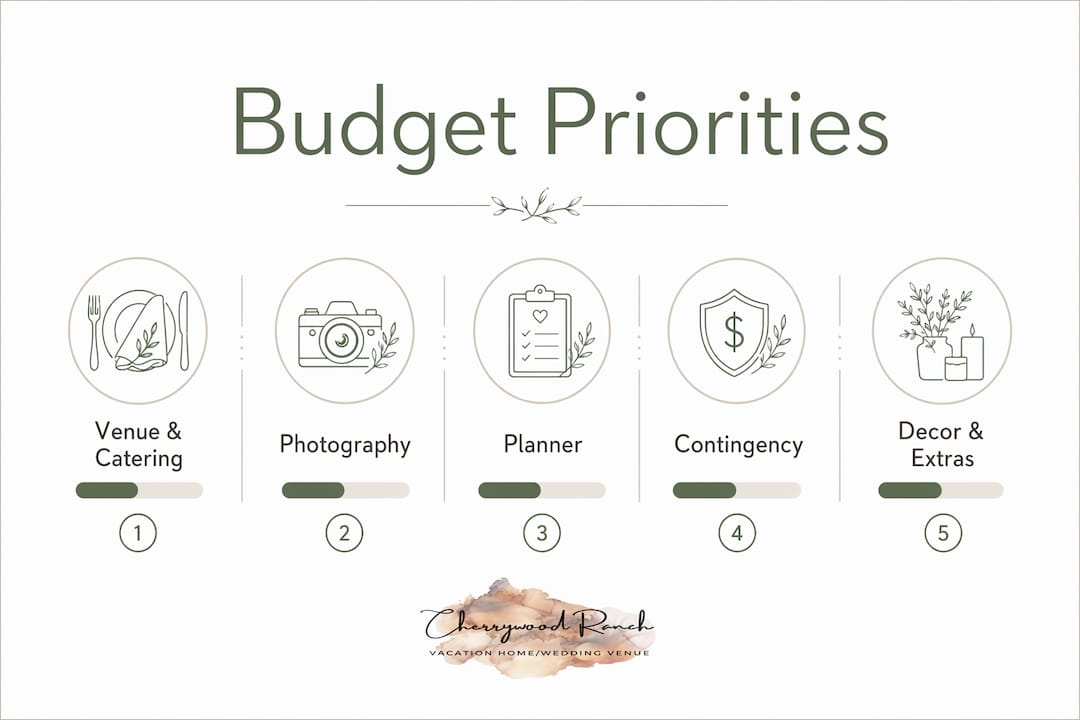
The contingency buffer deserves special attention. Most couples treat it as optional and skip it. The reality is that the 10–15% contingency is almost always fully used. Last-minute vendor changes, currency fluctuations for international venues, and weather-related adjustments all pull from this reserve. Budget it from day one.
Photography sits in the second category, and it should be near the top of that group’s spending. Your photos are the only thing you take home from the weekend. Cutting the photography budget to save $500 is a trade-off couples consistently regret.
Pro Tip: A good wedding planner saves couples 10–15% across vendors and reduces stress significantly. That saving often covers the planner’s fee entirely, meaning hiring a planner effectively costs you nothing while buying you time, expertise, and negotiating power.
Prioritize your spending on what the industry calls the “spine” of the wedding: venue, catering, and photography. These three categories determine how the day feels and how it is remembered. Everything else is decoration.
What are the best budgeting hacks for an affordable wedding weekend?
Cost-saving tactics work best when they are applied across multiple categories at once. The following approaches deliver the most impact for couples planning an affordable wedding getaway.
Vendor selection:
- Booking local vendors reduces costs by 25–40% compared to importing vendors from your home city. Local florists, photographers, and caterers avoid travel fees, import surcharges, and accommodation costs that get passed directly to you.
- Ask your venue for a preferred vendor list. These vendors know the space, require less setup time, and often offer package pricing for repeat venue partnerships. Cherrywoodranchweddingvenue maintains a curated vendor list that helps couples connect with trusted local professionals.
- Unbundle vendor packages when possible. A DJ who also offers lighting rental may charge a bundled premium. Renting lighting separately from a local supplier can cost less.
Catering and food:
- Buffet-style catering cuts per-person costs by 30–50% and actually produces 12% higher guest satisfaction on multi-day weddings compared to plated meals. Guests enjoy the relaxed pace and variety. You need fewer service staff.
- Limit your bar to beer, wine, and one signature cocktail. Full open bars with premium spirits add cost fast and rarely improve the guest experience proportionally.
- Replace the formal rehearsal dinner with a potluck or semi-catered informal meal. Informal group meals increase guest social bonding and reduce costs compared to catered sit-down dinners. A shared grocery list prevents food waste and keeps the evening relaxed.
Accommodation:
- Combining villa and hotel block bookings reduces group accommodation costs by 14% compared to all-hotel blocks. The villa provides private event space and amenities. The hotel block handles overflow guests at a lower per-room rate.
- Allocate villa costs by room occupancy rather than splitting evenly. Guests in larger rooms pay proportionally more. This approach reduces pushback and increases on-time payment rates.
Pro Tip: Build your wedding weekend budget checklist before you contact a single vendor. Knowing your category limits in advance prevents vendors from anchoring your expectations at a higher price point during the first conversation.
Key Takeaways
A disciplined budget for a destination wedding weekend starts with controlling guest count, timing, and vendor selection before any other decisions are made.
| Point | Details |
|---|---|
| Guest count drives total cost | Every added guest increases lodging, catering, and logistics costs; keep your list tight. |
| Timing cuts venue costs sharply | Shoulder season and midweek bookings reduce venue and room costs by 25–40%. |
| Budget by category from day one | Allocate 40–50% to venue and catering, 30–40% to planner and photography, and 10–15% to contingency. |
| Local vendors save 25–40% | Booking local eliminates travel fees and import surcharges that inflate vendor costs. |
| Buffet beats plated for value | Buffet catering costs 30–50% less per person and scores higher guest satisfaction on multi-day events. |
What I have learned about budgeting for destination wedding weekends
Couples consistently make the same two mistakes. They invite too many people and then try to cut costs in the wrong places. A guest list of 80 people at a destination venue is not a destination wedding. It is a local wedding with a travel surcharge. The intimacy that makes destination weekends special comes from a tight group of people who actually know each other.
The second mistake is cutting the spine to fund the decorations. I have seen couples spend heavily on floral installations and custom signage while hiring a budget photographer. Six months later, the flowers are gone and the photos are the only thing left. Spend where the memories live.
The tactics that actually work are less glamorous than most planning articles suggest. Negotiate your room block before you sign anything. Book in shoulder season even if it means a less “perfect” weather month. Hire a local planner who knows the vendors and can call in favors. These moves do not make for exciting Instagram content, but they are what keep couples from going into debt over a single weekend.
The informal group meal is genuinely underrated. A potluck rehearsal dinner where guests bring dishes from their home regions creates a warmth and connection that no catered event can replicate. It costs a fraction of the price and people talk about it for years.
— Luis
Cherrywoodranchweddingvenue: where budget-friendly meets mountain beautiful
Cherrywoodranchweddingvenue sits in the North Georgia Mountains and was built specifically for the kind of intimate, all-inclusive weekend that makes destination weddings worth the effort.

The property accommodates up to 16 guests with on-site lodging, a pool, a hot tub, and outdoor ceremony spaces with mountain views. That combination puts venue, lodging, and amenities under one rate, which is exactly the cost structure this article recommends. Couples avoid shuttle costs, separate hotel blocks, and the coordination overhead that inflates budgets at traditional venues. If you are ready to see how a Georgia mountain wedding weekend fits your budget, Cherrywoodranchweddingvenue offers consultations to walk through your specific guest count and date options. You can also explore the full wedding weekend experience to see what a complete multi-day celebration looks like at the ranch.
FAQ
How much does a destination wedding weekend cost on average?
Destination wedding costs range from $4,000 to $10,000 for intimate elopements and $30,000 to $70,000 for groups of 50–80 guests. Your final number depends primarily on guest count, venue tier, and timing.
What percentage of a destination wedding budget should go to contingency?
Budget 10–15% of your total for contingency. This reserve is almost always fully used for last-minute vendor changes, weather adjustments, or currency fluctuations on international venues.
How do I save money on destination wedding catering?
Choose buffet-style service over plated meals. Buffets cut per-person costs by 30–50% and produce higher guest satisfaction on multi-day events because guests control their pace and portion size.
When is the cheapest time to book a destination wedding venue?
Shoulder season months like late january, early march, and november offer the lowest rates. Adding a Thursday or Sunday date to a shoulder season booking compounds the savings and can reduce venue costs by 25–40%.
Does hiring a wedding planner actually save money?
A good wedding planner saves couples 10–15% across vendor contracts. That saving typically covers the planner’s fee, making the hire cost-neutral while reducing planning stress significantly.