A three-day, two-night home-base weekend with one organized group activity per free day gives guests the best possible wedding experience. It works because it eliminates the two things that wear people out at destination weddings: too much driving and too much scheduling. Booking a full property buyout or a tight room block, like a stay at Cherrywood Ranch, keeps everyone under one roof instead of scattered across three hotels.
That single decision changes the whole guest experience. Consider what it buys your guests:
- Less time in cars and more time actually together
- Deeper bonds, since cousins and coworkers end up sharing a porch instead of a parking lot
- Predictable costs, because lodging, meals, and coordination come bundled instead of piling up as surprise line items
Key Takeaways
A three-day, single-home-base weekend with one organized activity per free day produces the highest guest satisfaction for private multi-day destination weddings.
| Point | Details |
|---|---|
| Pick one home base | A property buyout or tight room block keeps guests together and cuts down on driving. |
| Cap daytime activities | Limit excursions to a few hours and keep most events within 20 minutes of lodging. |
| Publish everything twice | Put the full schedule on your wedding website, then print it again for welcome bags. |
| Personalize the welcome | Local, specific favors and a handwritten note outperform generic gifts every time. |
| Cherrywood Ranch models the format | On-site lodging for 16 guests, a pool and hot tub, and mountain views map directly to this weekend blueprint. |
Table of Contents
- Wedding Guest Experience Ideas: A Copyable 3-Day Itinerary
- Home Base Logistics: Keeping Guests Together and Relaxed
- Curated Activity Ideas That Suit Different Guests
- Communication Tools That Prevent Guest Confusion
- Pacing and Accessibility: Avoiding Guest Burnout
- Budget and Packaging: What a Multi-Day Weekend Actually Costs
- How Cherrywood Ranch Puts This Blueprint Into Practice
- Personalized Welcome Experiences That Set the Tone
- Food and Beverage Planning for Every Guest at the Table
- Entertainment Ideas for the Downtime Between Events
- Engagement Activities That Get Guests Talking to Each Other
- Editorial Take: What Actually Makes a Wedding Weekend Work
- Book a Weekend Venue That Handles the Logistics for You
- Sources
Wedding Guest Experience Ideas: A Copyable 3-Day Itinerary
Most couples freeze up trying to fill three days without exhausting anyone. Here’s a template built around a late-arrival Thursday and a Sunday morning send-off.
- Day 1, arrival evening: Keep it unstructured. A casual welcome dinner on the patio, name tags optional, no toasts required. This is where shy in-laws meet college roommates without pressure.
- Day 2, daytime: One optional activity capped at 3 to 4 hours, whether that’s a guided hike, a winery visit, or pool time for those who’d rather skip it. Follow it with the rehearsal and rehearsal dinner, or a bigger welcome party if that’s more your family’s style.
- Day 3, wedding day: Favor a late-afternoon ceremony window, around 4 to 5 PM, so morning light and heat aren’t working against your photos or your guests’ patience. Cocktail hour and reception follow naturally, with an optional after-party for the crowd that isn’t ready to call it a night.
- Day 4, departure: A farewell brunch, kept genuinely optional. Some guests will want one last morning together; others will already be on the road.
Build in 30 to 60 minute buffers between hair, makeup, transport, and outfit changes. Destination wedding specialists consistently recommend one structured event per free day, with everything else left open.
Pro Tip: Print the Day 3 timeline and tape it inside the welcome bag. Guests forget verbal instructions by dinner but rarely lose a paper schedule.
Home Base Logistics: Keeping Guests Together and Relaxed
The single biggest lever for guest comfort is where everyone sleeps. A full property buyout gives you total control over the schedule, including late-night gatherings, without worrying about disturbing other guests. A room block at a nearby inn works if the venue itself doesn’t offer lodging. Clustered nearby lodging, three or four properties within a five-minute drive, is the fallback when a full buyout isn’t available.
Planner guidance is blunt on this point: keep organized events within roughly 20 minutes of the main accommodation, and save anything farther away for one standout excursion rather than a daily commute.
Transportation needs the same discipline:
- Arrange an arrival shuttle from the nearest airport for the first wave of guests
- Run a dedicated event shuttle so nobody drives after the reception
- Schedule a departure shuttle timed to flight windows, not guesswork
For mixed-budget guest lists, offer tiered lodging, an on-site suite for some, a nearby budget motel for others, and say so plainly on your wedding website. Guests appreciate options more than they appreciate a single expensive default.
Curated Activity Ideas That Suit Different Guests
A good weekend menu has range. Not every guest wants a hike, and not every guest wants to sit by the pool for two days straight. Building in variety is what actually creates guest engagement instead of a room full of people checking their phones.
Social mixers work best when they’re low-stakes: a welcome cocktail hour, a themed casual dinner (taco night, a low country boil), or a poolside picnic with croquet set up on the lawn. Nobody needs a schedule for these. They just need snacks and shade.
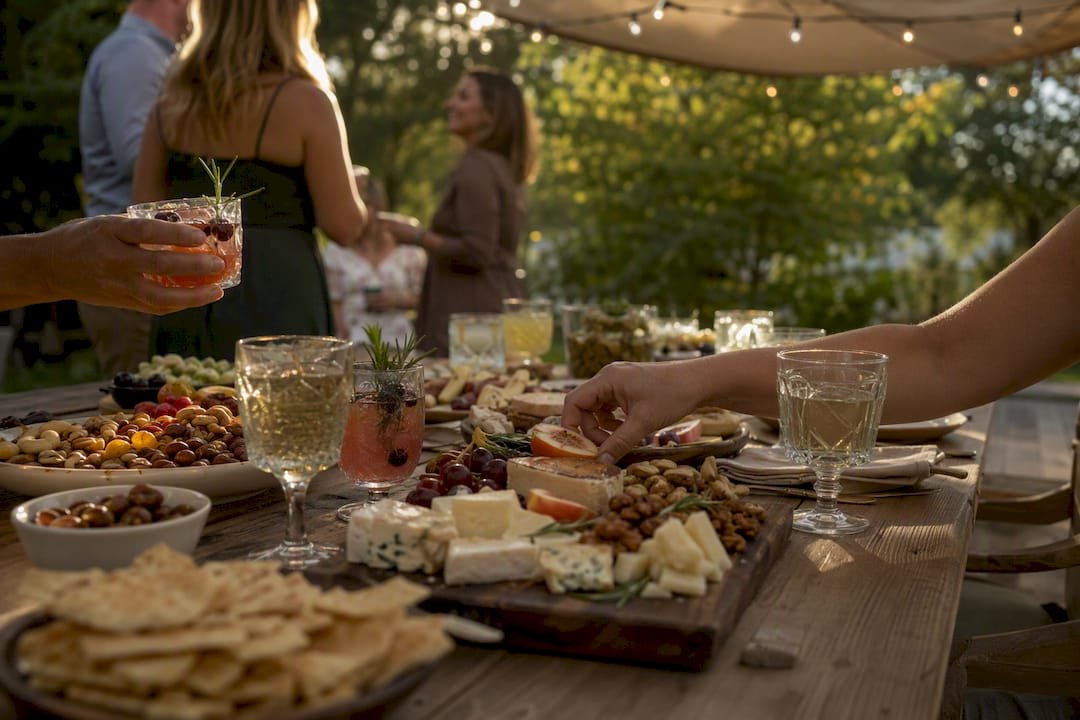
On-property leisure fills the gaps between bigger events. Morning yoga on the deck, a guided nature walk before the heat sets in, a rotating card game or board game night for the crowd that stays up late. If your venue has a pool and hot tub, like Cherrywood Ranch’s resort-style amenities, that alone covers a full afternoon with zero planning.
Short excursions are what guests talk about years later. A winery or distillery tasting, a half-day scenic drive through the mountains, or a guided local tour all work, provided they stay capped at three to four hours. Specialists point to structured half-day excursions as the activities guests remember most, ahead of anything scheduled indoors.
For families, build in kid-friendly blocks, a supervised craft table during cocktail hour, a sign-up sheet for babysitting during the reception, and clear notes on stroller-friendly paths. For guests with mobility limits, flag which excursions involve walking or stairs so nobody signs up for a hike they can’t manage.
Communication Tools That Prevent Guest Confusion
Most guest complaints trace back to unclear information, not bad planning. Fix that with three tools.
Your wedding website should carry the full itinerary, sign-up links for optional activities, lodging options and rates, transportation notes, dress codes for each event, and childcare details. Platforms like WithJoy and The Knot are the common choices for this, mainly because guests already know how to navigate them.
On-site, back up the website with printed materials:
- A packing cheat sheet in the welcome bag (weather notes, footwear for excursions, dress code reminders)
- A printed schedule with a simple property map and emergency contact numbers
- Clear labeling of what’s mandatory versus optional, since ambiguity is what drives guests to over-pack their calendars
Set a firm RSVP deadline for paid excursions and handle payment collection through the website, not cash exchanges at check-in.
Pacing and Accessibility: Avoiding Guest Burnout
The single most common mistake is over-scheduling, a key insight from guest experience principles for hospitality pros that apply directly to wedding weekend pacing. Enforce one organized activity per free day and actually mean it. Guests came for a vacation, not a conference agenda.
Build real buffers, 30 to 60 minutes, around hair, makeup, transport, and outfit changes so nobody is sprinting between events. Then run through an accessibility checklist before you finalize anything:
- Note terrain difficulty for any outdoor ceremony or excursion
- Confirm seated options exist at every major event, not just the ceremony
- Check restroom proximity and access for guests with limited mobility
- Post clear signage at forks in the path or unclear parking areas
- Set aside a quiet space and childcare option for young families
Pro Tip: Ask every guest about mobility or dietary needs on the RSVP form itself, not as an afterthought email two weeks out. You’ll catch issues while there’s still time to fix them.
Budget and Packaging: What a Multi-Day Weekend Actually Costs
Extra days mean extra costs, mostly in three places: additional lodging nights, transportation for shuttles and transfers, and extra vendor days if your photographer or caterer bills by the event. Guides estimate multi-day formats can add several thousand dollars to the total budget compared with a single-day wedding, though reported guest satisfaction tends to rise with it.
An all-inclusive package or full property buyout often creates the most predictable value here, since bundling lodging, meals, and coordination into one rate removes the guesswork of juggling five separate vendor contracts.
To keep guest expenses reasonable:
- Offer tiered room options at different price points
- Subsidize the shuttle instead of asking guests to arrange their own rides
- Make excursions optional and paid separately, never bundled into a mandatory cost
- Publish pricing clearly on the wedding website so nobody is surprised at check-in
How Cherrywood Ranch Puts This Blueprint Into Practice
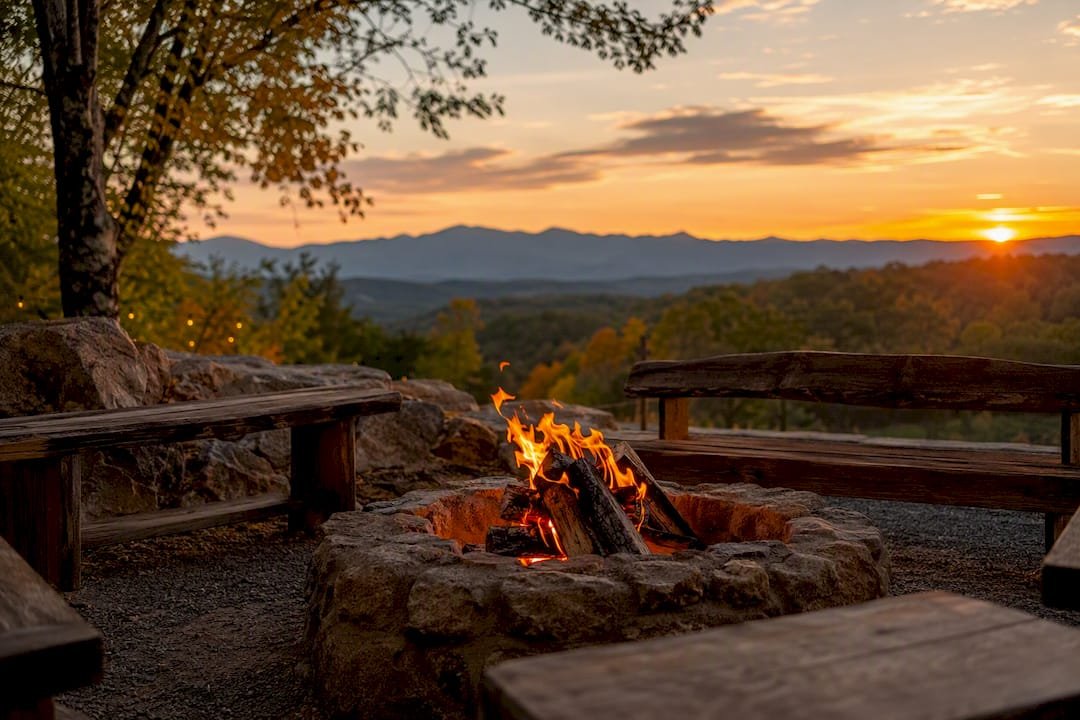
Cherrywood Ranch was built around exactly this model. The property houses up to 16 guests on-site, which means the home-base strategy isn’t theoretical, it’s the default. Add a pool, a hot tub, and mountain views in every direction, and the on-property leisure block practically plans itself.
A sample weekend might look like this: Thursday arrival and a low-key welcome dinner on the deck, Friday split between a guided mountain hike for the active crowd and a poolside picnic for everyone else, Saturday’s ceremony timed for late-afternoon mountain light followed by a reception under the stars, and Sunday’s optional farewell brunch before guests head home.
Personalized coordination ties it together. Instead of juggling five vendors, couples work with one team that already knows the property’s rhythms. For couples exploring what a weekend-style venue actually includes, it’s worth comparing directly against a traditional single-day, single-venue wedding before booking anything.
Personalized Welcome Experiences That Set the Tone
The first hour of a wedding weekend shapes how guests feel for the rest of it. A welcome bag waiting in each room, rather than handed over at a front desk, tells guests they’re expected and cared for before they’ve even unpacked.
Custom favors work best when they reflect the setting rather than a generic wedding theme. A local honey jar or a small bottle from a nearby distillery says more about a mountain weekend than a printed koozie ever will. Add a handwritten welcome note from the couple, even a short one, since it’s often the item guests photograph and keep.
Beyond the bag itself, small touches extend the welcome further:
- A printed name card on each door with the guest’s name and room assignment
- A local snack or drink pairing suited to the season (cider in fall, lemonade in summer)
- A short “why we chose this place” card that gives out-of-town guests context for the setting
None of this needs to be expensive. It needs to feel considered. A $15 local candle with a handwritten note outperforms a $40 generic gift basket every time, because guests remember specificity, not cost. If you’re short on ideas, a checklist built for wedding weekend welcome bags can help you avoid the generic default.
Food and Beverage Planning for Every Guest at the Table
Dietary needs multiply the moment you move from a single reception to a full weekend of shared meals. Plan for it early rather than scrambling before the rehearsal dinner.
Start with an RSVP form that asks specifically about allergies, vegetarian or vegan preferences, and religious dietary restrictions, not a vague “any dietary needs?” checkbox. Share that list with your caterer for every meal of the weekend, not just the reception.
For a multi-day format, variety matters more than it would for a single dinner. Rotate styles across the weekend: a casual taco or barbecue night on arrival, a more formal plated dinner for the rehearsal, and a relaxed brunch spread for departure. Label dishes clearly at buffet-style meals, gluten-free, nut-free, vegan, so guests aren’t stuck asking a stranger what’s in the sauce.
Beverage planning deserves the same attention. Offer a strong non-alcoholic option at every bar, not just soda and water, since sober or pregnant guests often feel like an afterthought at wedding bars. A mocktail menu that matches your signature cocktails signals thoughtfulness without singling anyone out.
If your venue includes full kitchen access, like a private home rental, you gain flexibility a hotel banquet hall can’t match: guests with severe allergies can have meals prepared separately without disrupting the group menu.
Entertainment Ideas for the Downtime Between Events
The hours between the ceremony and dinner, or the lazy afternoon before the rehearsal, are where a weekend either feels relaxed or feels aimless. Good entertainment fills that gap without turning it into another scheduled obligation.
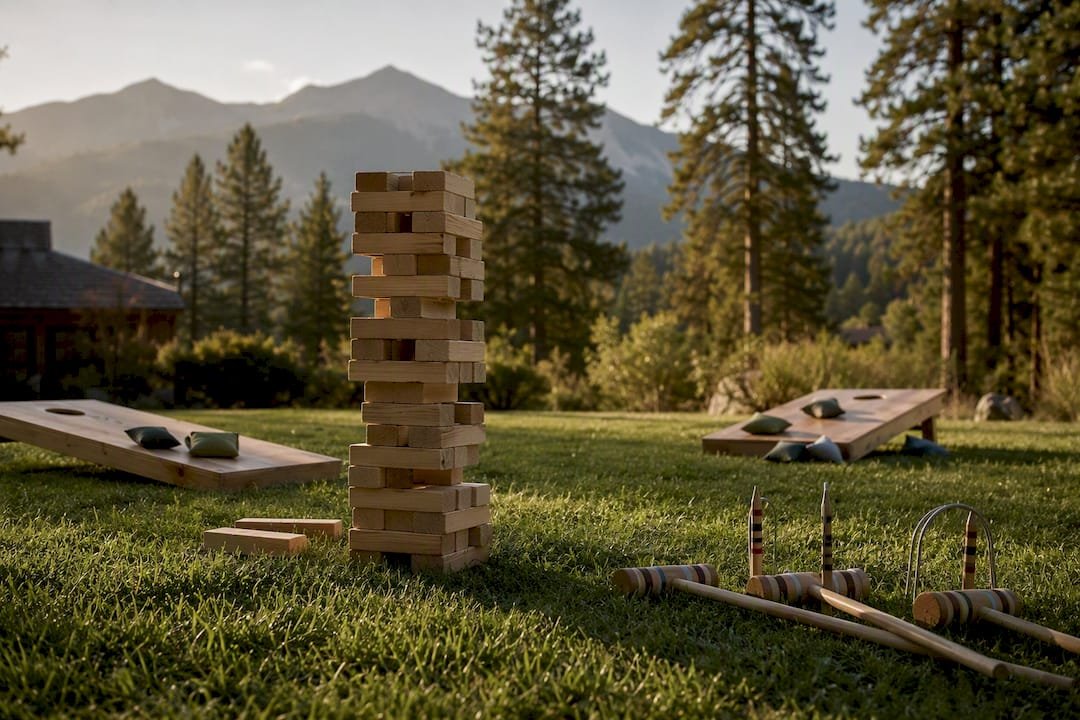
Lawn games are the easiest win: cornhole, croquet, or a giant Jenga set require zero setup time and give guests something to do with their hands while they talk. A photo booth with props tied to the venue’s setting, mountain hats, flannel shirts, works especially well for a rustic backdrop and gives guests a keepsake beyond the professional photos.
Live music doesn’t need to mean a full band. A single acoustic guitarist during cocktail hour or a curated playlist piped through outdoor speakers during the welcome dinner covers the same ground for a fraction of the cost. Save the full band or DJ for the reception itself, where dancing is the actual goal.
For quieter moments, stock a game closet: cards, a jigsaw puzzle, a few board games on the coffee table. These matter more than couples expect, since not every guest wants to be “on” for three straight days. Giving people permission to disappear with a book or a card game for an hour is part of good pacing, not a gap in the schedule.
Engagement Activities That Get Guests Talking to Each Other
A wedding weekend succeeds when strangers become friends by Sunday. That doesn’t happen by accident, it happens through structure disguised as casual fun.
Assigned seating at the welcome dinner, mixing families and friend groups instead of clustering people who already know each other, does more for guest bonding than almost anything else on this list. A simple icebreaker, like a “how do you know the couple” card at each place setting, gives strangers an easy opening line.
Group activities with a shared task work better than passive ones. A trivia night about the couple’s relationship, a group scavenger hunt around the property, or a casual cooking demo where guests help assemble their own meal all force interaction in a way that just standing around with a drink doesn’t.
Consider a guest book that asks for advice or a favorite memory rather than just a signature, then read a few aloud at the reception. It turns a formality into a shared moment. For couples with a hiking or outdoor community among their guests, a group activity like horseback riding at the venue does double duty: it’s memorable, and it puts small groups together in a low-pressure setting where conversation happens naturally.
Editorial Take: What Actually Makes a Wedding Weekend Work
Most wedding planning advice treats the guest experience as a checklist of nice extras: monogrammed favors, a photo booth, a cute welcome sign. That’s backwards. The research on multi-day weddings points somewhere else entirely: guest satisfaction rises from structural decisions, not decorative ones. A single home base generally produces a better guest experience than an itinerary spread across multiple hotels… One well-timed excursion beats five loosely planned activities nobody signs up for.
The overrated piece of conventional wisdom is the instinct to fill every hour. Couples worry that a quiet Saturday afternoon looks like poor planning. It’s the opposite. Planners with real destination wedding experience consistently point to unscheduled time as the thing guests actually value, especially the ones traveling farthest.
If you take one thing from this: fix your lodging strategy before you touch the activity list. Everything else, the favors, the games, the excursions, works better once guests aren’t tired, scattered, or unsure where to be next.
— Luis
Book a Weekend Venue That Handles the Logistics for You
Everything in this guide, the home base, the pacing, the bundled costs, is easier when the venue is built for it rather than retrofitted for it. Cherrywoodranchweddingvenue is the alternative to piecing together a hotel room block, a separate reception hall, and a rented shuttle service: one property in the North Georgia Mountains holds your ceremony, reception, and up to 16 overnight guests, so nobody drives after dark and nobody pays for three separate venues.
That single-property setup is also why the pool, hot tub, and mountain views end up doing double duty as your Day 2 activity without adding a line item to your budget. Personalized coordination means one team handles the schedule you build from this article, not five vendors working off five different timelines. If the three-day, one-home-base model sounds right for your guest list, check available dates for a private mountain wedding weekend and start mapping your own itinerary against the calendar.
Sources
- The Ultimate Wedding Weekend Guide: How to Plan a Multi-Day Celebration | Vogue
- Top Tips for Planning the Ultimate Destination Wedding Weekend Itinerary – Destination Weddings Blog
- Multi-Day Destination Wedding: The Complete Wedding Week Guide | Wedding Abroad