
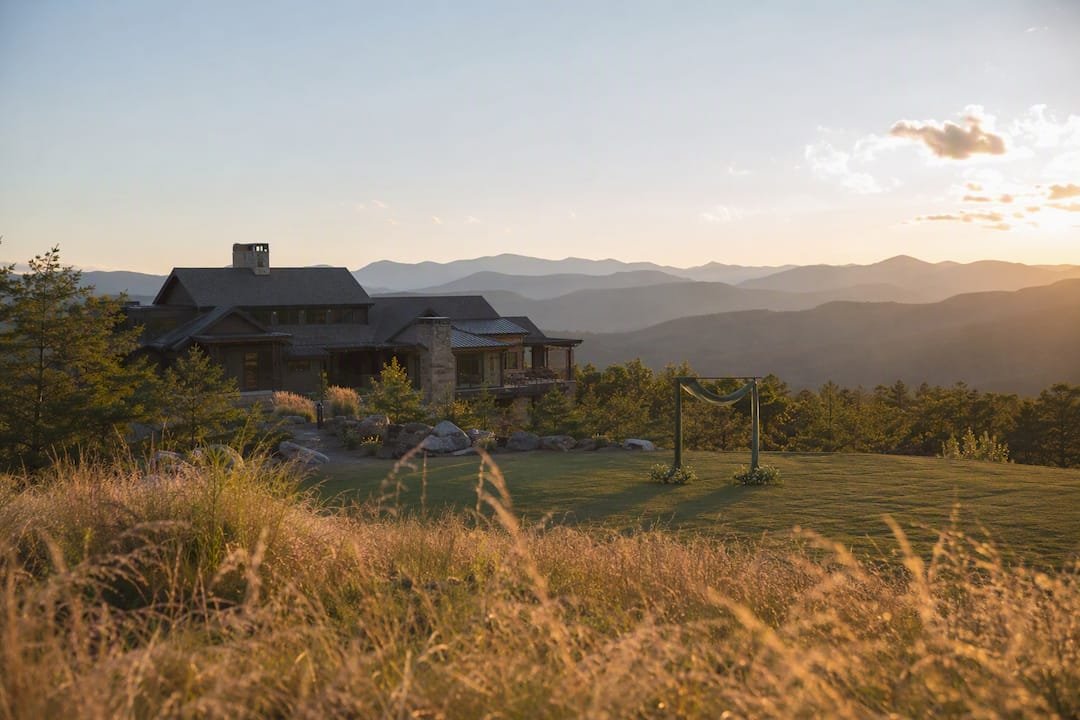
Lock a venue that can house or hub your guests before you book a single vendor. That one decision determines your budget, your timeline, and how relaxed everyone feels. Expect to spend 15 to 25% more than a single-day wedding and to spend far more time with your people than a four-hour reception ever allows. Once you’ve set your guest count and the number of event days, check venue availability first.
TL;DR:
- Choosing a venue with onsite lodging and exclusive buyout minimizes transportation and logistics, especially for larger guest lists or full property rentals.
- Multi-day weddings typically cost 15 to 25% more than single-day events, mainly due to extra meals, transportation, and vendor overtime.
- Keep ancillary events limited to three or four core activities, with buffer time between each to prevent guests from feeling overprogrammed.
- Shuttles and proximity of accommodations are crucial for guest convenience, with costs varying based on service frequency and group size.
- Vendors like caterers and photographers need multi-day contracts with clear rates, arrival windows, and staffing support to ensure smooth operation across the weekend.
Table of Contents
- What Makes a Venue Right for a Private Wedding Weekend Planning Project?
- How Much More Does a Wedding Weekend Cost?
- Sample Itineraries You Can Copy and Adapt
- How Do You Handle Guest Logistics Across Multiple Days?
- Which Vendors Need Multi-Day Contracts?
- When Should You Send Invitations and Build the Wedding Website?
- What Should Guests and Couples Pack for a Wedding Weekend?
- Cherrywood Ranch in Practice: A Real Private Wedding Weekend
- What I’ve Learned Watching Wedding Weekends Come Together
- Ready to Check Availability for Your Own Weekend?
- Sources
What Makes a Venue Right for a Private Wedding Weekend Planning Project?
Venue choice decides almost everything else. A property that offers exclusive-use buyout with onsite lodging removes the biggest headache in weekend planning: getting fifty people from a hotel to a ceremony site and back three separate times over two days. If your venue sleeps your inner circle and hosts every event in one place, you’ve solved logistics before you’ve solved anything else.
Not every couple needs a full buyout. A tight hotel block near the ceremony site works fine for smaller weekends, especially when the venue itself doesn’t offer lodging. The tradeoff is real: buyouts cost more upfront but cut transportation costs and stress, while hotel hubs are cheaper per night but demand more coordination and more shuttle runs.
On a site visit, ask about these before anything else:
- Sleep capacity and bedroom count, and whether extra guests can be added for a fee
- Distance to the nearest hotel or overflow lodging, in drive time, not miles
- Noise ordinances or curfew policies that could cut your Saturday night short
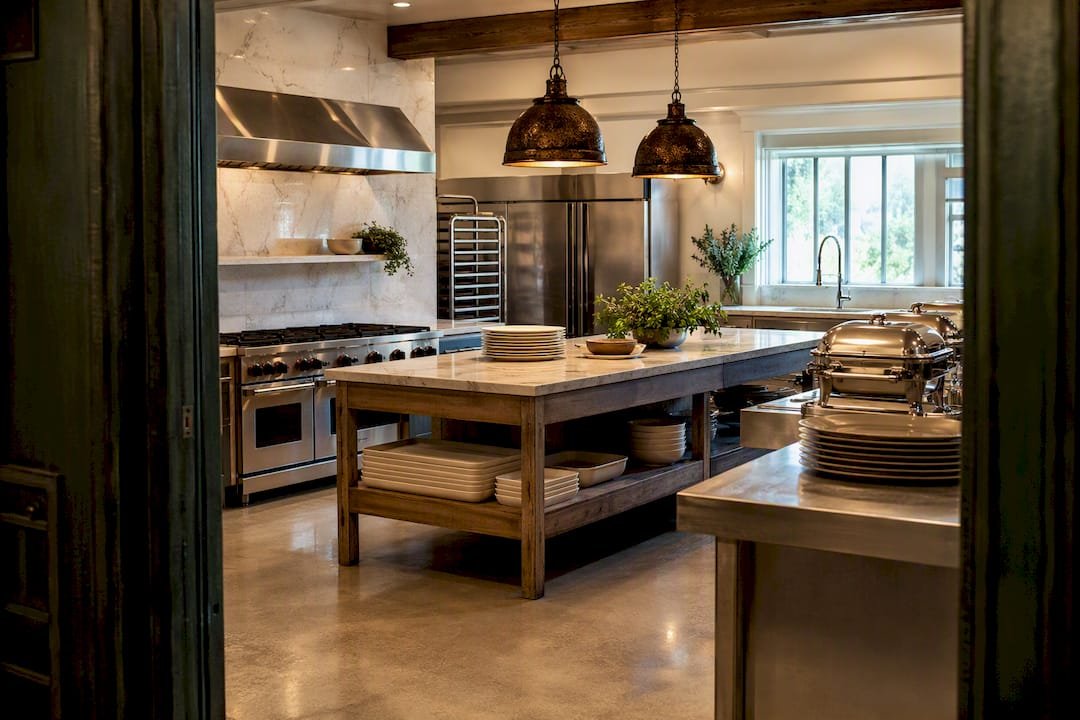
- Kitchen size and whether it can support a caterer cooking for three separate meals
- Indoor backup space in case weather forces the ceremony inside
- Whether staffing (cleaning, setup, teardown) is included or billed separately
Planners consistently push couples to treat the whole weekend as one continuous experience centered on a home base, rather than a string of disconnected events. A venue with onsite lodging for your immediate family and wedding party, paired with a nearby hotel block for everyone else, tends to hit that balance best.
How Much More Does a Wedding Weekend Cost?
Budget for a 15 to 25% increase over what a single-day wedding would run you, mainly from extra meals, shuttle service, welcome bags, and vendor overtime for multi-day coverage.
Statistic: Multi-day weddings run 15 to 25% higher than single-day events once you add a welcome party, farewell brunch, and transportation. That same source flags the welcome party and brunch as the two events delivering the best return on guest goodwill per dollar spent.
Rough per-person ranges to plan around:
- Casual welcome party (taco bar, backyard cookout style): often $25 to $45 per person
- Elevated welcome event (plated appetizers, open bar): often $60 to $100 per person
- Farewell brunch: usually the cheapest anchor event, often $20 to $35 per person
To keep costs in check, limit the guest list for ancillary events like welcome parties, label optional activities as pay-your-own-way on your wedding website, and put your money toward the two or three anchor events rather than spreading it thin across every hour of the weekend.
Sample Itineraries You Can Copy and Adapt
Most successful wedding weekends follow the same skeleton: a welcome event, the ceremony and reception, and a farewell send-off. That’s the core structure top planning guides recommend, with three events as the comfortable floor and five as the practical ceiling before guests start feeling overprogrammed.
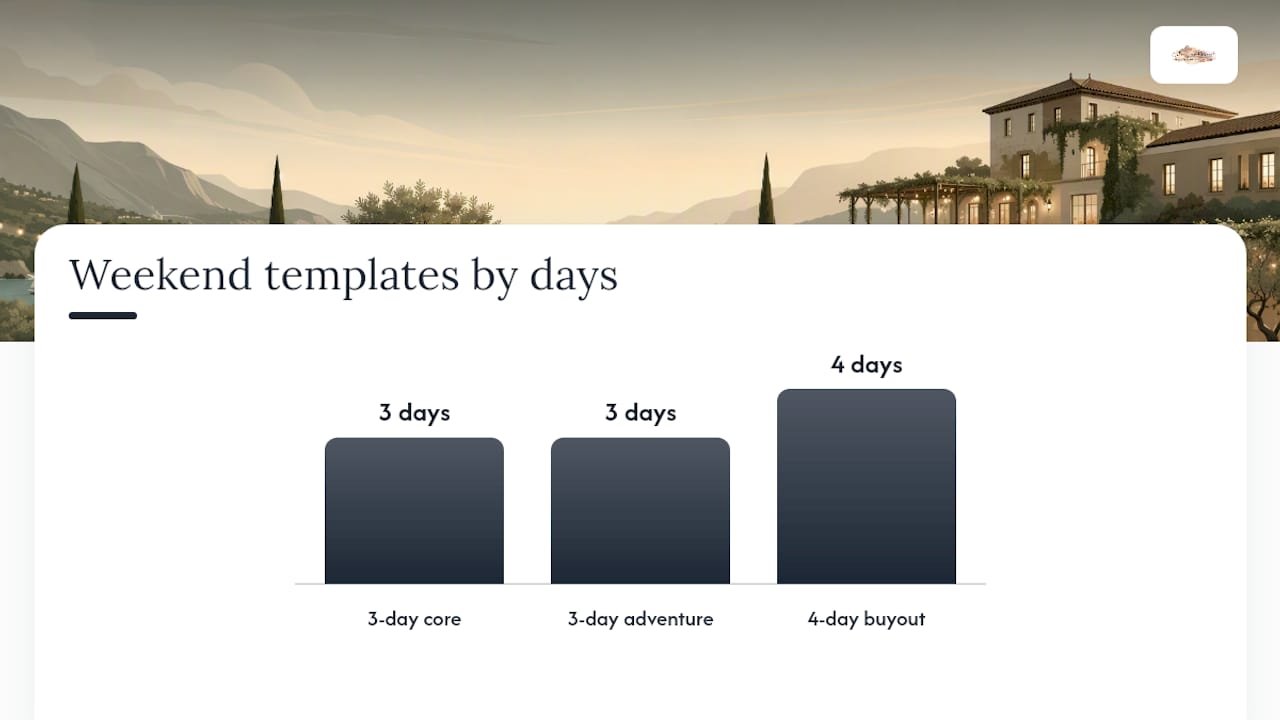
The classic 3-day core template:
- Friday evening: Welcome party, 6:00 to 9:00 PM, casual dress, at the venue or a nearby restaurant
- Saturday: Optional light morning activity (coffee, hike, or nothing at all), ceremony at 4:00 PM, cocktail hour, reception until 11:00 PM
- Sunday morning: Farewell brunch, 10:00 AM to noon, before guests start heading home
Build in a buffer. Leave 90 to 120 minutes unscheduled before the ceremony starts so hair, makeup, and photos don’t turn into a sprint. Rushed mornings are the single most common regret couples mention after the fact.
The 3-day adventure or retreat variation swaps the light Saturday morning for an optional group activity: a hike, a swim, a brewery run. Mark it clearly as optional on your wedding website so guests who’d rather sleep in don’t feel obligated. This works especially well at properties suited to adventure wedding weekend itineraries.

The 4-day buyout template adds a Thursday arrival day, reserved for immediate family and the wedding party only. This makes sense mainly for full property buyouts or true destination weekends, where flights mean people are traveling regardless and an extra day of connection is worth the added lodging cost.
Across any of these, cap the schedule at three to five formal events, give each day exactly one anchor event, and leave room between activities. Experienced coordinators treat the weekend as one operation rather than a checklist to fill, and that mindset is what keeps a weekend feeling like a celebration instead of a schedule.
How Do You Handle Guest Logistics Across Multiple Days?
Set up tiered room blocks, usually one nicer option and one budget-friendly option, each with its own booking code and a deadline about eight weeks out — see practical tips on booking weekend stays and deals from Wild Foodz by Hotel Entree Brugge. That gives guests choices without forcing your whole family into the same $300-a-night hotel.
Shuttles matter more than most couples expect. Hire a shuttle service whenever alcohol is involved and guests are staying more than a short walk away; a no-drinking-and-driving rule isn’t optional, it’s the baseline. Rough cost brackets run from a few hundred dollars for a single van run to well over a thousand for continuous service across a full evening, depending on your market and group size.
A few more things worth locking down early:
- Keep events within a 20-minute drive of your main lodging hub whenever possible; planners flag this proximity rule as one of the biggest guest-experience factors
- Plan for multi-generational needs: grandparents and young kids do better with shorter transit times and a quiet room nearby
- Line up childcare or a designated kids’ activity block during the reception if several families are bringing children
- Have a covered or indoor fallback ready for any outdoor event, not just the ceremony
Couples juggling extended family often benefit from reading up on multi-generational family wedding weekend planning before finalizing the schedule.
Which Vendors Need Multi-Day Contracts?
Four vendor categories shift significantly once you go from one day to three: photographers (who need multi-day coverage packages, not a single eight-hour block), caterers (cooking for multiple meals instead of one), bands or DJs (overtime rates for a Friday welcome party on top of Saturday), and rental companies (setup and teardown spread across days instead of one tight window).
When you’re negotiating contracts, ask specifically for:
- Arrival windows that match your actual weekend schedule, not just Saturday
- Overtime rates spelled out in writing, not verbal estimates
- Whether the vendor needs lodging included in your room block
- A single point of contact for the whole weekend, not different reps per day
The biggest upgrade most couples skip is swapping a day-of coordinator for a full weekend coordinator. Multi-day events have too many moving pieces for someone who only shows up Saturday morning.
Pro Tip: Ask your caterer to build distinct menus for each meal rather than repeating dishes. It eases kitchen load on multi-day cooking and quietly keeps ingredient costs from ballooning.
When Should You Send Invitations and Build the Wedding Website?
Send save-the-dates up to 12 months out for a weekend event, since guests need real lead time to book flights and take days off work. Detailed advance notice on travel and lodging is consistently the difference between a smooth RSVP process and a chaotic one. Send formal invitations 3 to 5 months out, then the final itinerary about 4 weeks before, with a reminder the week of.
Your wedding website should include RSVP tracking per event (not just the wedding itself), transportation and shuttle info, a packing list, clear labels for what’s hosted versus pay-your-own-way, and a point-person’s contact info for last-minute questions.
Welcome bags that actually get used: a printed itinerary, snacks, a water bottle, a small hangover kit, a local map, and a card with your point person’s number. Practical welcome bag ideas can save you from overthinking this.
For documentation, book multi-day photography coverage if your budget allows, set up a shared photo album or a wedding hashtag, and scatter a few disposable or Instax cameras around the welcome party for candid shots your photographer will miss.
What Should Guests and Couples Pack for a Wedding Weekend?
Guests should pack layered clothing, phone chargers, any medications, comfortable shoes for uneven ground, and weather-appropriate gear regardless of the forecast. A full packing list removes the guesswork for out-of-town guests unfamiliar with the area.
Couples need their own checklist: backup outfits, a printed vendor contact sheet, extra timeline copies, and a small wardrobe repair kit (safety pins, fashion tape, a mini sewing kit).
Whoever’s running point (coordinator or venue staff) should keep an emergency kit stocked with first-aid basics, stain remover, phone chargers, and sewing supplies within reach all weekend.
Cherrywood Ranch in Practice: A Real Private Wedding Weekend
Cherrywood Ranch, an all-inclusive venue in the North Georgia mountains, illustrates the venue-first approach in action. Onsite lodging for up to 16 guests, a pool, a hot tub, and multiple distinct outdoor spaces mean a couple’s inner circle can wake up, get ready, marry, celebrate, and eat breakfast the next morning without ever leaving the property.
A sample weekend at a property like this might run:
- Friday: Small group arrival, pool afternoon, casual welcome dinner outdoors
- Saturday: Mountain-view ceremony, cocktail hour on the lawn, reception under string lights
- Sunday: Farewell brunch by the pool before checkout
Because the whole family stays together onsite, family privacy stays intact even during a full weekend of shared space, and vendors coordinate with one point of contact instead of juggling multiple locations.
When you tour a property like this, ask directly about kitchen capacity for multi-day catering, exact bedroom counts, and what staffing support comes with your package. Those three answers tell you almost everything about whether the venue can actually carry a weekend.
What I’ve Learned Watching Wedding Weekends Come Together
The single biggest predictor of a smooth private wedding weekend isn’t the flowers or the menu. It’s the venue and the coordinator working together, because everything else bends around whatever those two get right or wrong.
The lesson that surprises couples most: cutting one activity to add breathing room almost always improves the weekend more than adding one more thing to do. Guests remember the unhurried moments, not the packed schedule.
— Luis
Ready to Check Availability for Your Own Weekend?
Cherrywood Ranch is built for exactly the scenario this guide walks through: a private ceremony, onsite lodging for up to 16 guests, and a property where the whole weekend happens in one place instead of three. That’s a real advantage over a single-day venue plus a scattered hotel block, since you skip the shuttle logistics and the goodbye-at-9-PM feeling entirely.
Before you reach out, jot down three things: how many guests need to sleep onsite, whether you’ll need catering support in the kitchen, and roughly how many event days you’re picturing. Those answers make your first conversation with the venue faster and more useful. Check current dates and package details on the Cherrywood Ranch wedding venue page, or explore lodging-inclusive wedding packages to see what a full weekend buyout actually includes.
Sources
- How To Plan A Wedding Weekend | Multi-Day …
- Wedding Weekend Itinerary: Planning a Multi-Day Celebration | Plan A Wedding
- The Wedding Weekend Guide: How to Plan a Multi-Day Celebration | Vogue