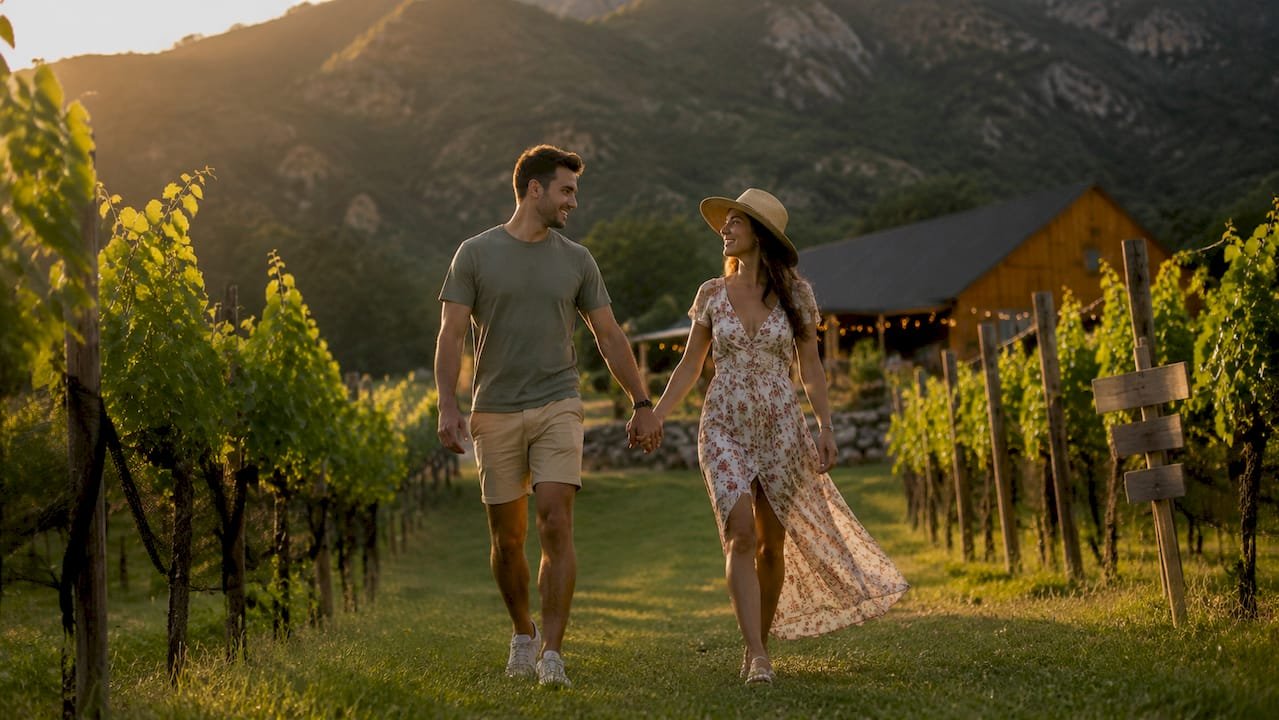
Local attractions transform destination weddings from single-day ceremonies into multi-dimensional travel experiences that guests remember for years. The reason why local attractions enhance wedding trips is straightforward: they replace artificial décor with authentic scenery, give guests meaningful things to do, and create emotional moments that no florist can manufacture. Couples planning destination weddings in places like North Georgia’s Blue Ridge Mountains or Toccoa Falls region gain a natural advantage. The landscape, culture, and community become active parts of the celebration rather than a passive backdrop.
Why local attractions enhance wedding trips: the core benefits
Local attractions deliver four measurable advantages for destination weddings: aesthetic value, guest engagement, logistical simplicity, and community support.
Aesthetic value. Couples reduce décor costs by 20–30% by choosing venues with historic or natural backdrops. That savings goes directly toward food, music, or lodging upgrades that guests actually notice. A mountain overlook or a waterfall does more visual work than $3,000 in floral arrangements.
Guest engagement. Curated local activities eliminate guest downtime compared to unstructured weekends. Providing nearby trails, wineries, and cultural sites transforms the wedding into a mini-vacation. Guests arrive at the ceremony energized rather than restless.
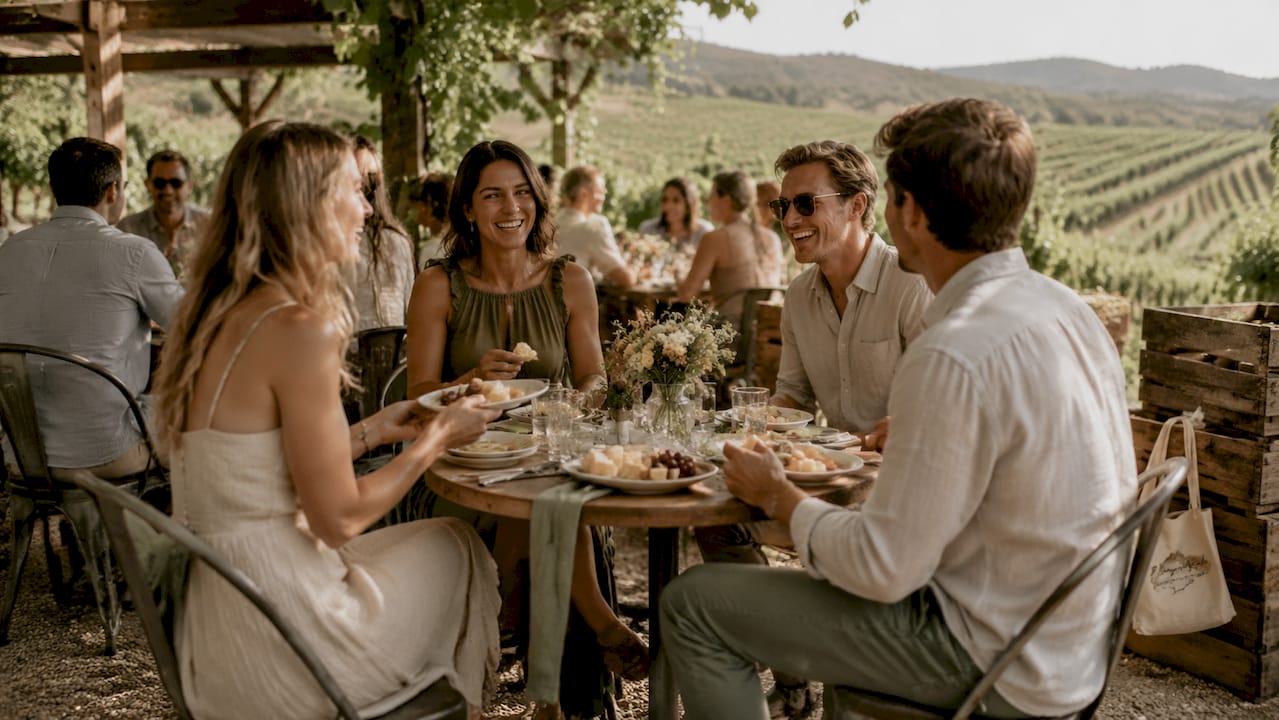
Logistical simplicity. Venue proximity to local attractions reduces transport complexity and improves weekend cohesiveness. Short walking or driving distances cut guest stress and eliminate the need for shuttle coordination across town.
Community support. Local tourism directs revenue to small businesses and preserves the cultural identity of the wedding location. Guests spending at local shops and food vendors sustain the community that makes the destination worth choosing.
Pro Tip: Build a one-page “local guide” for guests before the wedding weekend. Include three to five nearby spots with hours and directions. Guests who explore on their own return to the venue more relaxed and more connected to the place.
How do local attractions improve guest experience and social interaction?
Modern guests want to participate, not just observe. Active guest participation through local experiences creates ecosystems that encourage exploration, interaction, and personal agency. A guest who spent the morning hiking a local trail and the afternoon at a nearby winery arrives at the reception with stories to share. That shared experience breaks down the invisible wall between the couple’s college friends and their family members.
Local attractions also solve one of the most common wedding weekend problems: the awkward gap between events. A structured local activity fills that gap naturally. Guests stay engaged without the couple having to orchestrate every hour.
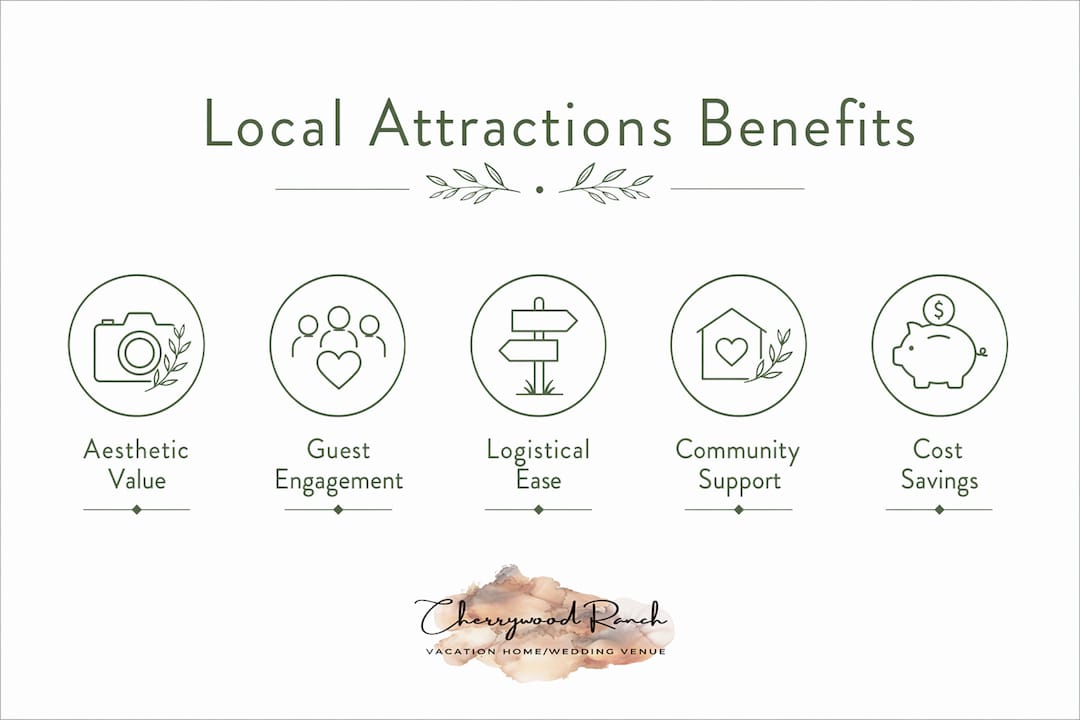
The most memorable weddings focus on emotional flow facilitated by local attractions that ease transitions and create immersive experiences. Couples who invest in atmosphere and pacing consistently outperform those who focus only on formal structure.
Here is a practical sequence that works for a three-day wedding weekend:
- Friday arrival. Guests check in and receive the local guide. An optional group dinner at a nearby restaurant introduces the destination without pressure.
- Saturday morning. Free exploration time. Guests choose their own local activity, whether that is a waterfall hike, a farm visit, or a downtown coffee shop.
- Saturday afternoon. A curated group activity, such as a wine tasting or a guided nature walk, brings everyone together before the ceremony.
- Saturday evening. The ceremony and reception. Guests arrive primed, connected, and emotionally ready.
- Sunday morning. A relaxed group breakfast on-site. Guests depart at their own pace, carrying shared memories from the full weekend.
“The wedding itself was one hour. The weekend was three days. Our guests still talk about the Saturday hike more than the ceremony.” — A real sentiment echoed by couples who choose destination weekends over single-day events.
Extended wedding weekends with local activities promote family bonding and create a more relaxed celebration. Guests gain more quality interaction time, which deepens their emotional connection with the couple and with each other.
What practical strategies help couples integrate local attractions?
Choosing the right venue is the first and most consequential decision. Venues with “destination energy” such as mountain views, historic estates, or water features reduce the need for artificial décor and enrich wedding aesthetics from the moment guests arrive. A venue that already feels like a destination does half the planning work for you.
The table below compares two common venue approaches and their practical outcomes:
| Factor | Generic ballroom venue | Venue with local attractions |
|---|---|---|
| Décor budget | High (artificial elements required) | Lower (natural backdrop does the work) |
| Guest downtime | Unstructured, often awkward | Filled by nearby activities |
| Transportation | Multiple locations, complex logistics | Centralized, walkable or short drive |
| Guest satisfaction | Ceremony-focused | Full weekend experience |
| Community connection | Minimal | Authentic and memorable |
Pacing is the second critical factor. Intentional pacing with scheduled group activities and open timeouts allows guests to experience local attractions without exhaustion. The mistake most couples make is over-scheduling. Guests need breathing room to wander, explore, and decompress.
Pro Tip: Limit structured group activities to one per day outside the ceremony. Leave mornings or afternoons open for self-directed exploration. Guests who feel free to choose their own adventure report higher overall satisfaction.
Use local expertise whenever possible. A venue coordinator who knows the region can recommend the right winery, the best hiking trail for mixed fitness levels, or the local restaurant that can handle a group of 16. That knowledge is not available in a generic event planning checklist.
For couples planning multi-generational wedding weekends, local attractions need to cover a range of activity levels. A waterfall walk works for most guests. A rocking chair on a mountain porch works for the rest.
Do local attractions actually reduce costs and planning stress?
The financial case for local attractions is direct. Investing in naturally scenic venues rather than artificial décor delivers higher value and guest satisfaction. Couples avoid overspending on flowers and decorations by letting the location carry the visual weight.
| Cost category | Without local attractions | With local attractions |
|---|---|---|
| Floral and décor | $4,000–$8,000 | $2,500–$5,000 |
| Guest entertainment | Requires hired vendors | Partially covered by local options |
| Transportation | Multi-stop shuttle required | Minimal, centralized venue |
| Planning complexity | High coordination load | Reduced by local infrastructure |
Engaged guests also reduce the couple’s coordination burden. When guests have a waterfall trail to visit or a downtown market to explore, they do not need the couple to entertain them between events. That independence lowers the couple’s stress level significantly.
Venue proximity to local attractions is a logistics factor that most couples overlook during venue selection. Venues close to key attractions simplify scheduling, reduce transportation costs, and create a cohesive weekend experience. Couples who prioritize proximity during venue selection consistently report smoother weekends. For more on how this works in practice, the wedding weekends reduce stress resource from Cherrywoodranchweddingvenue covers the logistics in detail.
How does supporting local tourism create lasting community impact?
Destination weddings are not just personal celebrations. They are economic events for the communities that host them.
- Local tourism revenue supports small businesses and preserves the cultural identity of the wedding location. Guests who eat at local restaurants, buy from local artisans, and stay at local properties contribute directly to community livelihoods.
- Sustainable tourism through weddings ensures long-term preservation and community resilience. The economic impact includes infrastructure improvements and environmental stewardship that benefit both visitors and residents.
- Authentic local experiences are not replicable by chain hotels or generic event spaces. The uniqueness that draws couples to a destination is sustained only when that community thrives.
- Couples who choose locally rooted venues send a signal to their guests: this place matters. That message adds meaning to the celebration beyond the ceremony itself.
Key takeaways
Local attractions enhance wedding trips by reducing costs, engaging guests, simplifying logistics, and creating authentic emotional experiences that generic venues cannot replicate.
| Point | Details |
|---|---|
| Décor savings are real | Natural backdrops cut décor budgets by 20–30%, freeing funds for food and lodging. |
| Pacing determines guest satisfaction | One structured group activity per day with open exploration time prevents exhaustion. |
| Venue proximity matters | Choosing a venue close to local attractions reduces transport stress and improves weekend flow. |
| Community impact is a feature | Guests spending locally sustain the culture and scenery that made the destination worth choosing. |
| Extended weekends outperform single days | Multi-day wedding trips with local activities create stronger bonds and more lasting memories. |
What I’ve learned from watching couples get this right and wrong
I have seen couples spend enormous energy on centerpieces and almost none on what guests will do between Friday check-in and Saturday’s ceremony. The couples who get destination weddings right treat the location as a co-host. They pick a venue because of what surrounds it, not just what it looks like inside.
The most common mistake is treating local attractions as optional extras. They are not. They are the architecture of the weekend. When guests have nothing to do, they either leave early or they hover around the couple, which adds pressure at exactly the wrong time.
The couples I have seen get it right share one habit: they visit the venue location before booking and ask one question. “What would our guests do here for three days?” If the answer is rich, the venue is worth considering. If the answer is thin, no amount of floral design will compensate.
Guest feedback after destination weddings consistently emphasizes experiences with local context over ceremony details. Nobody remembers the exact shade of the napkins. They remember the morning they found a waterfall, or the dinner at a place the locals actually go to. Build the weekend around those moments, and the ceremony becomes the emotional peak of an already great trip rather than the only thing worth showing up for.
— Luis
Plan your destination wedding at Cherrywoodranchweddingvenue
Cherrywoodranchweddingvenue sits in the scenic North Georgia Mountains, surrounded by the natural attractions that make destination weddings genuinely memorable. The venue combines a stunning ceremony and reception space with an elegant vacation home that sleeps up to 16 guests, a pool, a hot tub, and mountain views that eliminate the need for elaborate décor.

Toccoa Falls, Blue Ridge, and the surrounding mountain communities are all within reach, giving your guests a full weekend of authentic local experiences. Cherrywoodranchweddingvenue’s all-inclusive packages are built around the local environment, reducing planning stress and keeping your focus on the celebration. Explore the Georgia destination wedding venue options or browse small wedding packages designed for intimate, experience-first celebrations.
FAQ
Why do local attractions reduce wedding décor costs?
Natural scenery and historic landmarks serve as built-in visual backdrops, reducing the need for artificial floral arrangements and decorations. Couples who choose venues with strong natural settings cut décor budgets by 20–30%.
How do local attractions keep wedding guests engaged?
Nearby trails, wineries, cultural sites, and interactive entertainment give guests meaningful activities between events. Curated local activity lists eliminate unstructured downtime and keep energy levels high across a multi-day wedding weekend.
What makes a venue good for a destination wedding with local attractions?
The best venues have “destination energy,” meaning mountain views, water features, or historic character that reduce décor needs. Proximity to local attractions is equally critical because short distances simplify transportation and create a cohesive guest experience.
How does a destination wedding benefit the local community?
Guest spending at local restaurants, shops, and businesses directs tourism revenue to small businesses and preserves the cultural identity of the location. Sustainable wedding tourism also supports infrastructure improvements that benefit residents long after the wedding weekend ends.
Is a multi-day wedding weekend better than a single-day event?
Extended wedding weekends with local activities consistently produce stronger guest bonds and more lasting memories than single-day events. Guests gain more quality interaction time, and the ceremony becomes the emotional peak of an already rich experience rather than the only highlight.