
Set your budget and guest count first, decide between a destination planner and a symbolic ceremony second, then build everything else around a 12 to 18 month timeline. Those three moves determine almost every decision that follows.
- Budget reality check: destination weddings average around $39,000 domestic and $41,000 international, so start there and adjust for guest count.
- Legal paperwork caution: overseas marriage licenses often require apostilles and consular steps through the U.S. Department of State, which is why many couples marry legally at home and celebrate symbolically abroad.
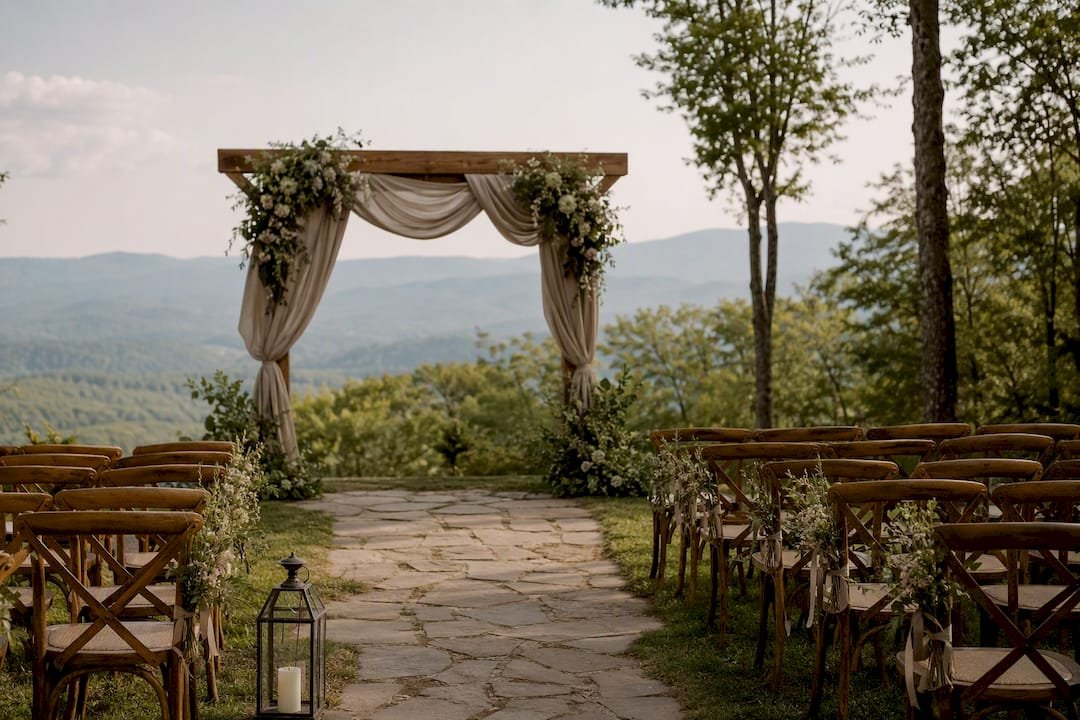
- Venue example: a private property like Cherrywood Ranch in the North Georgia mountains sidesteps a lot of this complexity by handling ceremony, reception, and lodging in one contract.
Your next three actions: lock a budget and guest number this week, shortlist two regions that fit both, and book a planner consultation or venue tour before you send a single save-the-date.
Key Takeaways
Successful destination wedding planning depends on locking your budget and guest count before choosing a venue, then following a 12 to 18 month timeline built around guest logistics.
| Point | Details |
|---|---|
| Start with budget and guest count | Agree on both before venue shopping, since guest cost burden determines who can actually attend. |
| Follow the 12 to 18 month timeline | Book venue and planner together, then work backward through vendors, invites, and legal paperwork. |
| Choose symbolic over legal-in-destination | Most U.S. couples avoid apostille and consular delays by marrying legally at home and celebrating abroad. |
| Build a contingency buffer | Budget beyond the average $39,000 to $41,000 range to absorb currency shifts and unexpected costs. |
| Consider a self-contained venue | Cherrywood Ranch houses up to 16 guests onsite, eliminating separate hotel-block coordination for an intimate weekend wedding. |
Table of Contents
- Destination Wedding Planning Timeline: What Happens When
- What Does a Destination Wedding Actually Cost?
- How Do You Pick a Destination Guests Can Actually Reach?
- Should You Get Legally Married Abroad or at Home?
- When Should You Send Wedding Invites for a Destination Wedding?
- Who Do You Hire First: Planner, Photographer, or Florist?
- What Happens in the Final Four Days Before the Wedding?
- How Cherrywood Ranch Applies This Timeline in Practice
- Do Your Guests Need Visas or Vaccinations?
- How Do You Coordinate With Vendors You Can’t Visit in Person?
- How Do You Handle Currency and Paying Vendors Abroad?
- Editorial Take: What the Timeline Doesn’t Tell You
- Ready to Book Your Mountain Wedding Weekend?
- Sources
Destination Wedding Planning Timeline: What Happens When
A destination wedding timeline works backward from your date, but it starts with foundational decisions that lock everything else into place. Here’s how the runway typically breaks down.
- 18 to 12 months out: Finalize your budget and rough guest count together. Decide on two candidate regions. Book a planner consultation or schedule a site visit before committing to anything.
- 14 to 12 months out: Sign with your venue and planner, ideally in the same week, since venue and planner decisions tend to move together. Open your hotel room block immediately after signing the venue contract. Mail save-the-dates.
- 12 to 6 months out: Book photography, florals, and music. Anyone in high demand for your date needs to be locked now, not later. Start legal paperwork if you’re pursuing a legal-in-destination ceremony.
- 6 months to wedding day: Send formal invitations if you haven’t already. Close RSVPs around the three-month mark. Finalize your head count with the venue and caterer. Plan to arrive three to four days before the ceremony.
Pro Tip: Book your planner and venue in the same conversation whenever possible. Planners who already work with a specific venue know the vendor list, the room-block contacts, and the local permit process, which shaves weeks off your timeline.
Miss the early window and everything downstream gets harder. A venue booked at month 18 gives you first pick of dates; the same venue at month 8 might only have off-season availability left.
What Does a Destination Wedding Actually Cost?
Two budgets exist here, and conflating them causes most of the stress. There’s your budget as a couple (venue, planner, attire, photography) and there’s the guest cost burden (flights, hotels, time off work) that directly shapes how many people can realistically say yes.
Industry data puts the average destination wedding around $39,000 for domestic celebrations and roughly $41,000 for international ones. That figure covers the core event, not necessarily every guest amenity or the currency swings that hit international bookings.
Common line items to budget for:
- Venue or all-inclusive package: often the single largest expense, especially with lodging included
- Travel for the couple and any vendors you bring with you
- Photography and videography, which run higher when travel fees apply
- Florals, hair, and makeup, sometimes doubled if you need a trial before travel
- Welcome bags or a welcome dinner for arriving guests
- Legal fees, translations, or apostilles if you’re marrying legally on-site
- Wedding insurance and a currency buffer for international vendors
A realistic mid-range domestic budget lands between $25,000 and $40,000; couples marrying somewhere like Italy or the French countryside often see $45,000 and up once currency conversion and VAT enter the picture. Budgeting properly for a weekend format matters more here than at a single-day local wedding, since lodging and multi-day catering both factor into the total.
How Do You Pick a Destination Guests Can Actually Reach?
Run every location through three filters before you fall in love with photos: guest geography, budget tier, and aesthetic fit. A stunning cliffside venue means nothing if two-thirds of your guest list can’t afford the flight or the time off.
Start with where your guests actually live. Guest-first planning means checking for nonstop or one-connection flights from your major guest hubs before you commit to a region.
- Pick a three-month window rather than a single date, then check shoulder-season pricing, which usually beats peak season by a wide margin on both flights and lodging.
- Domestic destinations remove currency conversion, simplify legal paperwork, and keep everyone on familiar phone plans and insurance.
- International destinations can offer more dramatic scenery but add customs, visa questions, and vendor communication across time zones.
A private mountain venue in the U.S., for instance, gives you one currency, one legal system, and drive-or-short-flight access for most East Coast guest lists. That combination alone eliminates half the headaches an international location creates. If you’re weighing venue types generally, comparing countryside and rural venue styles is a useful next step before narrowing to a region.
Should You Get Legally Married Abroad or at Home?
Most U.S. couples marrying overseas choose a symbolic ceremony and handle the legal paperwork quietly at home, either before or after the trip. That approach sidesteps apostilles, certified translations, and country-specific waiting periods that can add weeks to your timeline.
If legal-in-destination matters to you, expect to gather birth certificates, get documents apostilled, arrange translations, and in some countries, satisfy a residency or waiting period before the ceremony. The State Department’s passport and travel resources are the starting point for any document authentication questions.
A working checklist for legal-in-destination:
- Order certified copies of birth certificates and any prior divorce decrees six months out
- Schedule apostille processing at least four months before travel
- Book any required consular appointment as soon as your date is confirmed
- Confirm witness and translation requirements with the country’s consulate, not a wedding blog
Pro Tip: If your destination’s legal requirements feel unclear even after research, default to the symbolic route. A local officiant back home can make it official in twenty minutes, and you save your travel budget for the celebration instead of notary fees.
When Should You Send Wedding Invites for a Destination Wedding?
Send save-the-dates 9 to 14 months before the wedding, earlier for far-flung or peak-season destinations. Formal invitations follow around eight months out, and RSVP deadlines should close roughly three months before the date so you have time to finalize head counts with caterers and hotels.
- Save-the-dates: include the region, rough dates, and a link to your wedding website
- Formal invitations: add the ceremony schedule, dress code, and hotel block details
- RSVP follow-up: close the list roughly three months out, then confirm the final number with every vendor
Your wedding website should function as command central. A single source of truth for travel logistics means guests aren’t texting you individually about flight times or what to pack.
- List the hotel block link and booking deadline clearly
- Add packing suggestions specific to the climate and terrain
- Spell out the weekend schedule so guests can plan arrival and departure
- Consider hybrid invites: digital save-the-dates for speed, paper formal invitations for the keepsake factor
Room-block math matters here too. If you’re contracting ten or more rooms across several nights, communicate that guests are responsible for their own bookings but that the block guarantees a rate and inventory.
Who Do You Hire First: Planner, Photographer, or Florist?
Hire your planner before anyone else. A destination coordinator who already knows the region can save you real money by steering you away from vendors who look good at marketing but underdeliver on-site, and by negotiating VAT or markup inclusions that most couples wouldn’t catch on their own.
Partial-service planners typically run less than full-service coordinators who manage every vendor relationship from day one. Either way, the fee usually pays for itself in avoided mistakes alone.
- Lock photography, florals, and music 12 months out if your date falls in peak wedding season
- Local hires like hair, makeup, and transportation can often wait until three to four months out
- Room blocks of around ten rooms across three nights commonly unlock free upgrades or a complimentary suite, so negotiate the block size before signing
Pro Tip: Ask any destination planner for two vendor references from weddings at your exact venue, not just their portfolio. A planner who’s worked the room before knows the lighting, the parking, and the noise ordinance.
What Happens in the Final Four Days Before the Wedding?
Arrive three to four days before the ceremony. That buffer absorbs flight delays, gives you time for a vendor walkthrough, and covers any last-minute paperwork snags without touching your actual wedding day.
- Day one: Arrive, confirm hotel check-ins, and do a walkthrough of the ceremony and reception spaces with your planner
- Day two: Finalize vendor balances, sign off on the banquet event order, and confirm transportation assignments for guests
- Day three: Hold the rehearsal and rehearsal dinner, and distribute the day-of schedule to your wedding party
- Day four (wedding day): Assign someone other than the couple to handle vendor payments, timeline management, and any last-minute questions
Keep a day-of folder with contracts, final payment confirmations, and emergency contacts, and hand it to your planner or a trusted family member instead of carrying it yourself.
How Cherrywood Ranch Applies This Timeline in Practice
A private venue with onsite lodging changes the guest-logistics math entirely. Cherrywood Ranch houses up to 16 guests on the property, which means no separate hotel block negotiation, no shuttle logistics, and no scattered arrival times to track.
- Outdoor ceremony sites with mountain views eliminate the weather-contingency scramble that off-site venues require
- A pool and hot tub give guests something to do between the rehearsal and the ceremony, which fills the gaps in a multi-day schedule
- On-property lodging means your day-of coordination timeline shrinks by hours, since nobody’s commuting
A typical weekend runs arrival on Thursday, rehearsal and welcome dinner Friday, ceremony and reception Saturday, and a farewell brunch Sunday before everyone heads home.
When the venue and the guest housing are the same property, half your logistics checklist disappears. You’re not coordinating three vendors and a shuttle schedule. You’re coordinating one gate code.
Do Your Guests Need Visas or Vaccinations?
Check visa requirements the moment you confirm a destination, not after you’ve mailed save-the-dates. U.S. citizens can enter many popular wedding destinations visa-free for short stays, but plenty of countries require an e-visa application, a visa on arrival fee, or a full consular visa depending on the traveler’s home country, not just yours. Your guest list likely includes people traveling on non-U.S. passports, so a blanket assumption that “Americans don’t need a visa” doesn’t cover everyone attending.

Put visa requirements on your wedding website by nationality, not just by destination, since a UK guest and a U.S. guest might face completely different entry rules for the same country. The State Department’s travel resources are the right starting point for passport validity requirements, which often demand six months of remaining validity beyond your travel dates.
Immunizations depend entirely on the region. Some destinations require proof of yellow fever vaccination for entry; others recommend typhoid or hepatitis A boosters for travelers heading to areas with different food and water standards than guests are used to. This is not a one-size-fits-all list, and it changes based on the specific country and sometimes the specific region within that country.
Give guests at least four months’ notice on any vaccination recommendations, since some vaccines require multiple doses spaced weeks apart, and a travel clinic appointment can take time to schedule. Note on your wedding website that guests should consult their own physician or a travel medicine clinic rather than relying on wedding-blog health advice, since individual medical history affects which vaccines are appropriate.
A domestic destination sidesteps almost all of this. No visa questions, no vaccination requirements beyond routine care, and passport validity isn’t a factor for guests traveling within the country.
How Do You Coordinate With Vendors You Can’t Visit in Person?
Remote vendor coordination fails most often because of time zone gaps and unclear file-sharing, not because of bad vendors. Set expectations for response time in writing during your first vendor call, whether that’s 24 hours or 48, so nobody’s guessing.

Video calls beat phone calls for anything involving layout, florals, or décor, since you can screen-share a floor plan or a Pinterest board and get real-time feedback instead of a long email chain. Schedule these calls on a recurring basis, monthly at first and weekly in the final two months, rather than reactively whenever a question comes up.
Put every vendor conversation into a shared project tool or even a detailed group email thread that all vendors can see. When your florist and your planner are both looped into the same conversation about ceremony arch dimensions, you avoid the miscommunication that happens when information gets relayed secondhand.
Confirm every verbal agreement in writing within 24 hours. A phone call where a vendor agrees to a substitution or a schedule change means nothing if it’s not followed by an email recap both sides can reference later. This matters even more with vendors abroad, where a phone call at your evening might be their next business day, and details can get lost between conversations.
Build a single shared document, a spreadsheet works fine, that tracks every vendor’s contact info, contract status, deposit amount, and balance due date. When you’re managing five or six vendors across different countries or time zones, this document becomes the only reliable answer to “did we pay the florist yet?”
How Do You Handle Currency and Paying Vendors Abroad?
Currency swings can quietly inflate your budget by thousands if you’re not watching exchange rates during the months between booking and paying. A venue quoted at a fixed local-currency price can cost noticeably more in dollars by the time your final balance is due, depending on how the exchange rate moves.
Ask every international vendor for pricing in their local currency, not a dollar estimate they’ve converted themselves, since their conversion might not reflect the rate you’ll actually get. Compare that to what your bank or a currency service would charge you on the day of payment.
A few practical habits protect your budget:
- Use a no-foreign-transaction-fee credit card for deposits under a few hundred dollars, since the convenience outweighs any exchange savings on small amounts
- For larger payments, a currency transfer service usually beats a standard bank wire on both fees and exchange rate
- Lock in a rate ahead of a large payment if your transfer service offers that option, especially if your final balance is due months after your deposit
- Keep a currency buffer of several percentage points in your budget specifically to absorb rate movement between booking and final payment
Ask your local vendors upfront whether they charge VAT and whether their quoted price includes it, since VAT-inclusive pricing varies by country and can add a meaningful percentage to your final bill if you assumed it was already baked in. This is exactly the kind of detail a local planner catches before it becomes a surprise.
Avoid paying vendors in cash for large sums, even when it’s offered as the “easier” option. Wire transfers and card payments leave a paper trail that protects you if a dispute comes up later.
Editorial Take: What the Timeline Doesn’t Tell You
Most destination wedding advice treats the 12 to 18 month timeline like a rigid script, and that’s where couples get into trouble. The timeline matters less than the sequencing. Booking a venue before you’ve agreed on a realistic guest-cost burden is how couples end up renegotiating with 40 people who suddenly can’t make the flight.
The conventional wisdom oversells international glamour and undersells the simplicity of a domestic, self-contained venue. A property that houses your ceremony, reception, and guest lodging on one piece of land removes an entire category of coordination failure: the room-block negotiation, the shuttle schedule, the guest who books the wrong hotel. Cherrywood Ranch’s model, where up to 16 guests stay on-site, isn’t just convenient. It changes what your planning checklist even needs to include.
If you take one thing from this guide, prioritize the guest-cost conversation before the venue tour. Guest feasibility should filter your destination choices, not follow them. Everything else, the legal paperwork, the vendor contracts, the currency math, is solvable with enough lead time. A guest list that can’t actually attend is not.
— Luis
Ready to Book Your Mountain Wedding Weekend?
If the logistics in this guide sound like more coordination than you want to manage, a private venue changes the equation. Cherrywood Ranch is built for couples who want an intimate, full-weekend celebration without juggling a separate ceremony site, reception hall, and hotel block across three different vendors. Everyone stays together, up to 16 guests, on one property in the North Georgia mountains, with the ceremony space, reception area, pool, and hot tub all part of the same booking.

Couples who want to skip the room-block negotiation entirely and just have their people together for a weekend tend to fit this venue best, especially those planning a 25 to 75 guest celebration who’d rather spend planning energy on the experience than the spreadsheet. Start with a site visit or a short consultation call to walk through dates, package options, and what’s included in an all-inclusive weekend. From there, you’ll know within one conversation whether the Cherrywood Ranch destination wedding package fits your date and guest count. Reach out to check availability and get a straight answer on pricing before you build the rest of your timeline around it.
Sources
- U.S. Department of State — Passports
- The Average Cost of a Destination Wedding, According to Our Data
- How to Plan A Destination Wedding · 12-Step Guide | Aisle
- How to Plan a Destination Wedding in 12 Months (Budget, Legal, Vendor Checklist) – Beyond Baggage