
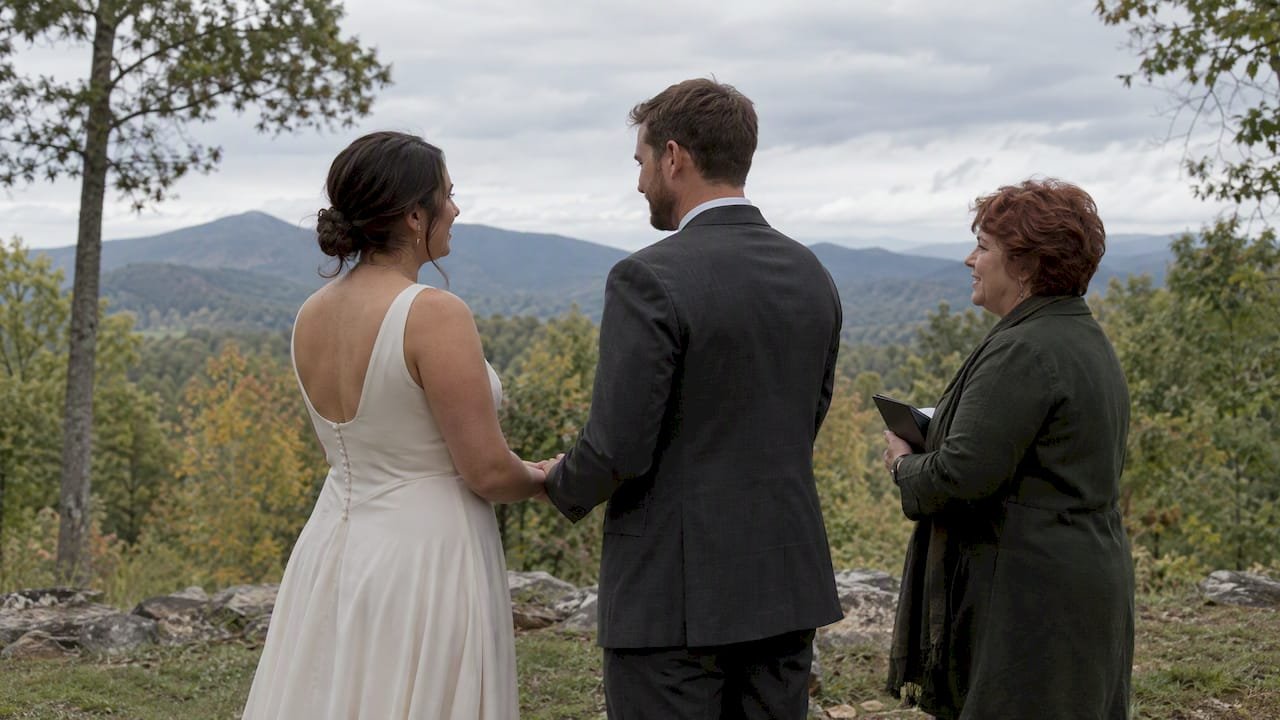
An elopement is a private, couple-focused legal ceremony, often with no guests beyond required witnesses, while a micro wedding is a scaled-down traditional wedding, commonly capped at 50 guests, that keeps the ceremony and reception format. The real decision rule isn’t guest count at all: choose based on whether you want a day built entirely around the two of you, or a smaller version of a traditional celebration shared with the people closest to you. From there, the details, structure, planning timeline, and budget all follow.
TL;DR:
- Marriage license timing, waiting periods, witness rules, and officiant authority vary by location, so confirm requirements with the local marriage authority before setting the date.
- Fewer guests reduce catering, seating, and favor costs, but venue minimums, photography day rates, and destination travel can stay similar for 10 or 40 guests.
- Settle a micro wedding’s guest count early because it determines venue size, furniture needs, catering logistics, and the vendor team.
- Reserve a venue and photographer six to twelve months ahead; micro weddings usually need catering, flowers, and music booked four to six months out.
Table of Contents
- What counts as an elopement today
- What counts as a micro wedding
- Elopement vs micro wedding: guest count, cost, and legal differences
- How to decide: a short framework for choosing your format
- Planning checklist: what to book and when
- Where the budget actually goes
- How an all-inclusive wedding weekend fits either choice
- Pick the day that’s actually yours
- Cherrywood Ranch: a private weekend for elopements and micro weddings
- FAQ
- Sources
What counts as an elopement today
Modern elopements look nothing like the old image of a secret late-night courthouse dash. Couples now elope at courthouses, on mountain overlooks, or at destination locations, often with a photographer present and sometimes a handful of close family. What stays constant is the focus: a legal ceremony centered on the couple, usually without a traditional reception, though a private dinner or a later party is common.
Because an elopement is still a legal marriage, the paperwork matters. Marriage license timing, witness rules, and officiant authority vary by jurisdiction, so couples need to verify requirements with the local marriage authority well before the date rather than assuming rules match their home state.
Typical logistics for an elopement include:
- Booking a photographer, since documentation often matters more without a crowd of guests to remember the moment.
- Securing an officiant with legal authority to marry in that specific location.
- Confirming permit requirements for scenic or public ceremony sites.
- Arranging travel, lodging, and a backup plan if the ceremony is outdoors.
What counts as a micro wedding
A micro wedding keeps the full arc of a traditional wedding, ceremony, reception, meal, speeches, dancing, just with a far shorter guest list. The Knot defines the format as a scaled-down traditional wedding, and the appeal isn’t only savings: smaller guest counts let couples put more detail into food, decor, and personal touches that would be hard to afford at full scale.
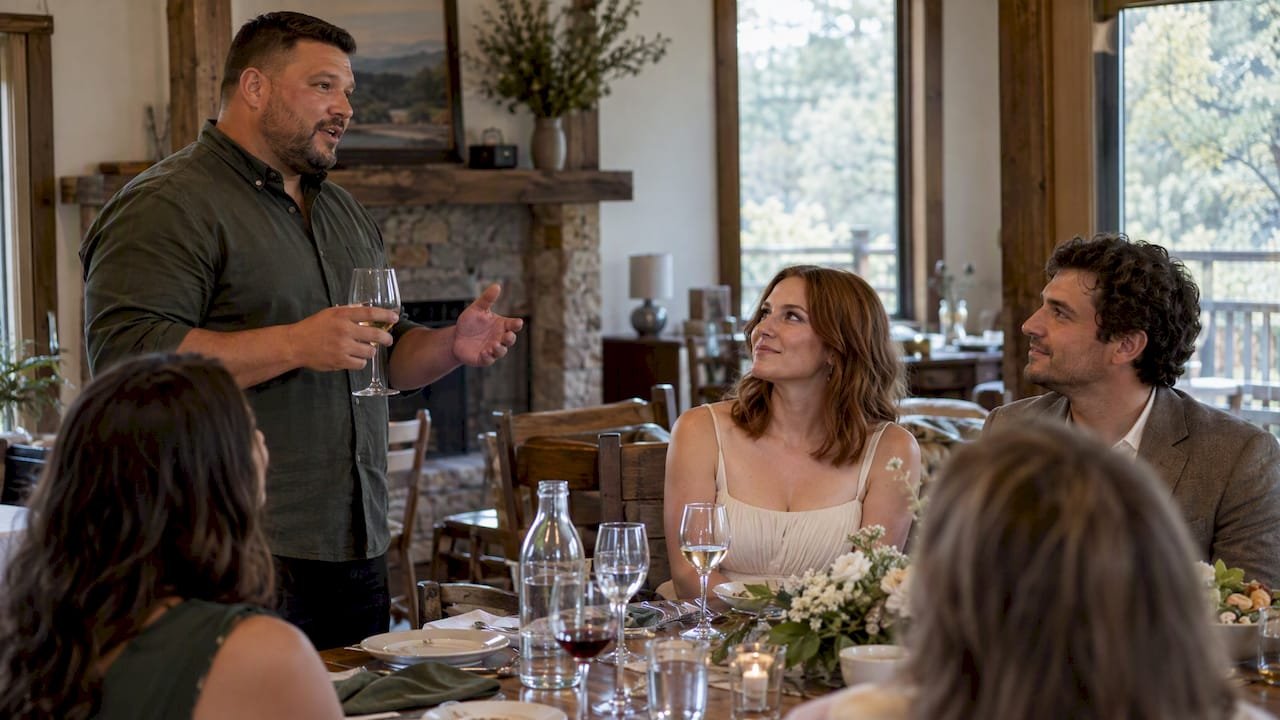
Guest counts typically run from a dozen up to 50, with averages often landing closer to 30. Because the structure mirrors a traditional wedding, the vendor list stays fuller than an elopement’s: catering, a venue with reception space, florals, music, and often a planner to manage timing.
That fuller vendor team also changes venue selection. A space that works beautifully for 12 guests might feel oversized or require different furniture and catering logistics at 40. Couples planning a micro wedding should settle their guest count early, since it directly shapes venue and catering choices. Elements that remain non-negotiable at any micro wedding size include:
- A ceremony followed by a reception, rather than ceremony only.
- A seated or stationed meal, even if simplified.
- Time built in for toasts, a first dance, or other traditional moments guests expect.
Elopement vs micro wedding: guest count, cost, and legal differences
The two formats overlap more than people expect, which is exactly why “how many guests” isn’t the deciding factor. An elopement might include two people or a dozen close family members; a micro wedding might start at a dozen and stretch past 50. What separates them is structure and intent, not a hard number.
A micro wedding commonly tops out around 50 guests, which planners use as a rough ceiling before a celebration starts functioning like a traditional wedding in all but name.
Cost tends to follow structure, not just headcount. Per-guest expenses like catering drop with fewer attendees, but fixed costs, venue minimums, photography, and travel, often stay similar regardless of guest count. Legal requirements follow the same pattern in both formats: marriage license timing, waiting periods, and witness rules are set locally, so couples should confirm details with their local marriage authority rather than assume one state’s rules apply everywhere.
How to decide: a short framework for choosing your format
Three questions cut through most of the indecision. First, what experience do you actually want: a quiet, private moment, or a shared celebration with people watching you say your vows? Second, what’s your real budget ceiling, and would you rather spend it on a handful of guests or a larger shared day? Third, how will your family and friends react if they’re not included, and are you comfortable managing that conversation?
A short checklist helps turn those answers into a decision:
- If your top priority is privacy and simplicity, lean toward an elopement.
- If sharing the day with close family matters more than guest count, lean toward a micro wedding.
- If your budget caps out below what a reception requires, an elopement protects that limit.
- If you want a reception but not a crowd, a micro wedding fits better than either extreme.
Couples torn between the two often land on a hybrid: a small private ceremony (sometimes called a minimony) followed by a larger party later.
Pro Tip: If you’re unsure, book the venue and ceremony first and decide on a reception add-on later, that order keeps your options open without forcing the decision too early.
Planning checklist: what to book and when
Both formats share the same opening steps: define the experience you want, set a guest count, confirm your budget, and verify legal requirements before anything else. From there, the planning sequence diverges based on structure.
- Six to twelve months out: book your venue, confirm legal requirements, and reserve a photographer, since both are in highest demand first.
- Four to six months out: for a micro wedding, book catering, florals, and music; for an elopement, confirm permits and finalize travel or lodging.
- Two to three months out: send guest communications, whether that’s an invitation list for a micro wedding or a heads-up to family for an elopement.
- Two to four weeks out: confirm seating and catering counts for a micro wedding, or finalize officiant and witness details for an elopement.
A practical wedding weekend timeline can help couples map these windows against travel and lodging bookings, especially for destination ceremonies.
Where the budget actually goes
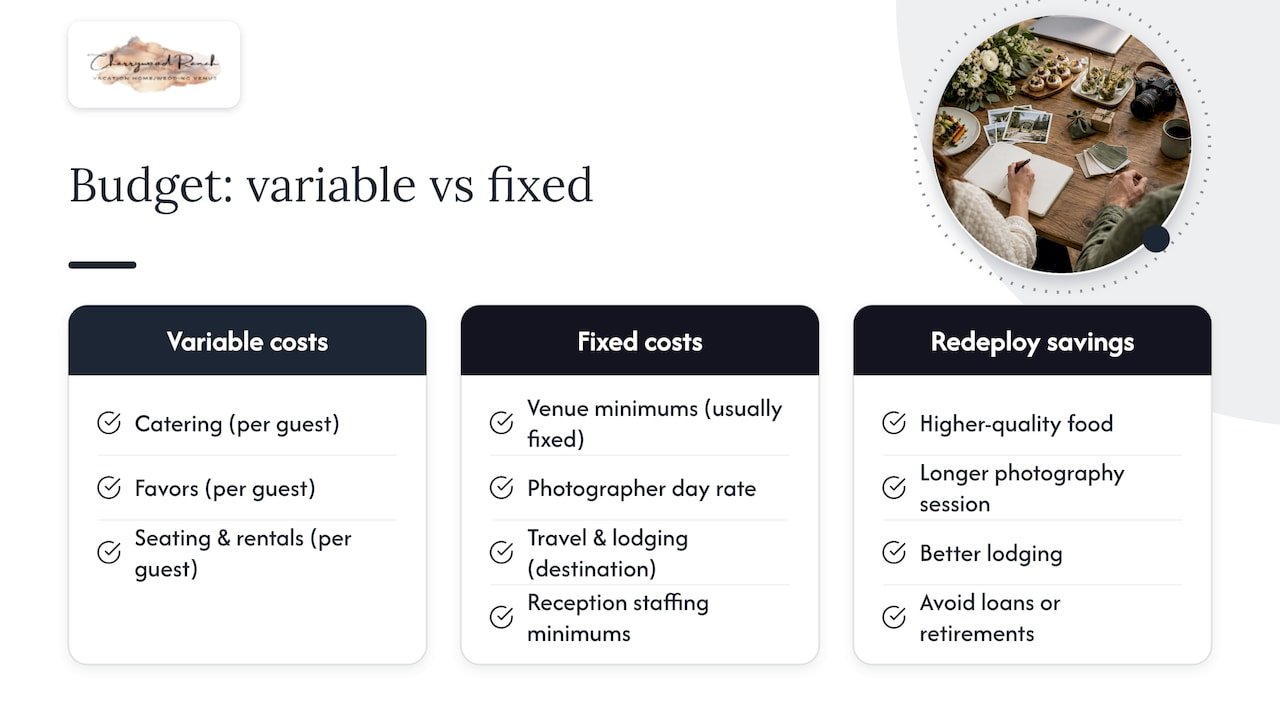
Guest count drives some costs down fast: catering, favors, and seating all shrink with fewer people. But several costs stay fixed no matter the size. Venue minimums, a photographer’s day rate, and travel or lodging for a destination ceremony often cost the same for 10 guests as for 40.
Smaller guest lists free up budget that couples can redirect toward higher-quality food, a longer photography session, or better lodging, rather than spreading the same total across more plates. Financial advisors and wedding planners caution against covering any of it with loans or retirement withdrawals, a pattern Brides specifically flags as a budgeting mistake.
One factor to plan around: a micro wedding’s reception costs rarely shrink as fast as guest count does, because venue and staffing minimums often apply regardless of the final headcount.
For couples weighing a weekend-long event instead of a single day, a destination wedding weekend budget guide breaks down where multi-day costs concentrate.
How an all-inclusive wedding weekend fits either choice
We built our venue in the North Georgia mountains around the idea that an intimate celebration shouldn’t require choosing between a meaningful ceremony and a comfortable weekend with the people who matter. Couples can host a private elopement, a full micro wedding, or a multi-day wedding weekend on the same property, with onsite lodging for up to 16 guests eliminating the usual back-and-forth between a ceremony site and separate accommodations.
A few things we coordinate directly for guests in that range:
- Lodging assignments and sleeping arrangements for groups up to 16.
- A day-by-day timeline for multi-day stays, not just the ceremony day.
- Local permit and license logistics for couples treating the weekend as a destination elopement.
Pick the day that’s actually yours
The experience-first rule holds no matter how many times you run the numbers: an elopement and a micro wedding can cost similarly or wildly differently, so let the feeling you want on the day decide, not the spreadsheet. Tell family early and plainly if they’re not invited, most of the hurt comes from surprise, not exclusion. Whichever format you choose, hire a photographer or videographer who can document it properly; this is the one day you can’t redo.
— Luis
Cherrywood Ranch: a private weekend for elopements and micro weddings
We offer elopement packages and multi-day wedding packages with onsite lodging for up to 16 guests, so couples can hold a private ceremony or a full micro wedding without splitting the weekend across a venue and a separate hotel. Celebrating together in one place, mountain views, a pool and hot tub, and a weekend’s worth of shared meals, tends to matter more to families than an extra few guests on the list.

If an intimate wedding weekend in the North Georgia mountains fits what you’re picturing, explore our elopement and wedding packages or check availability for your dates.
- Elopement packages for couples who want a private, legal ceremony with scenic backdrops.
- A 3-day wedding package for families who want to celebrate together over a full weekend.
- Onsite luxury lodging, so no one needs a separate hotel booking.
FAQ
What are the downsides of micro weddings?
Micro weddings can carry similar fixed costs, venue minimums, photography, and catering, to a larger wedding, so savings are smaller than many couples expect. They also require the same planning discipline as a full wedding: seating, catering counts, and a day-of timeline still need coordination even with fewer than 50 guests.
Are you still legally married if you elope?
Yes, an elopement is a legal marriage ceremony, as long as it meets your location’s licensing and witness requirements. Rules on witnesses, waiting periods, and officiant authority vary by jurisdiction, so couples should confirm details with the local marriage authority before the date.
How many guests count as a micro wedding?
Micro weddings commonly range from about a dozen guests up to 50, with many landing closer to 30. The exact number matters less than the structure: a ceremony followed by a reception, scaled down rather than stripped out.
What’s the difference between an elopement and a small wedding?
An elopement centers on a private legal ceremony, often without a traditional reception, while a small or micro wedding keeps the full ceremony-and-reception structure on a smaller guest list. Both can range in guest count, so the real distinction is whether a reception with speeches, a meal, and dancing is part of the plan.
Sources
- What Is a Micro-Wedding? How to Plan and Cost The Knot
- Planning an elopement: A comprehensive guide Zola
- How to create a wedding budget in 8 easy steps Brides