
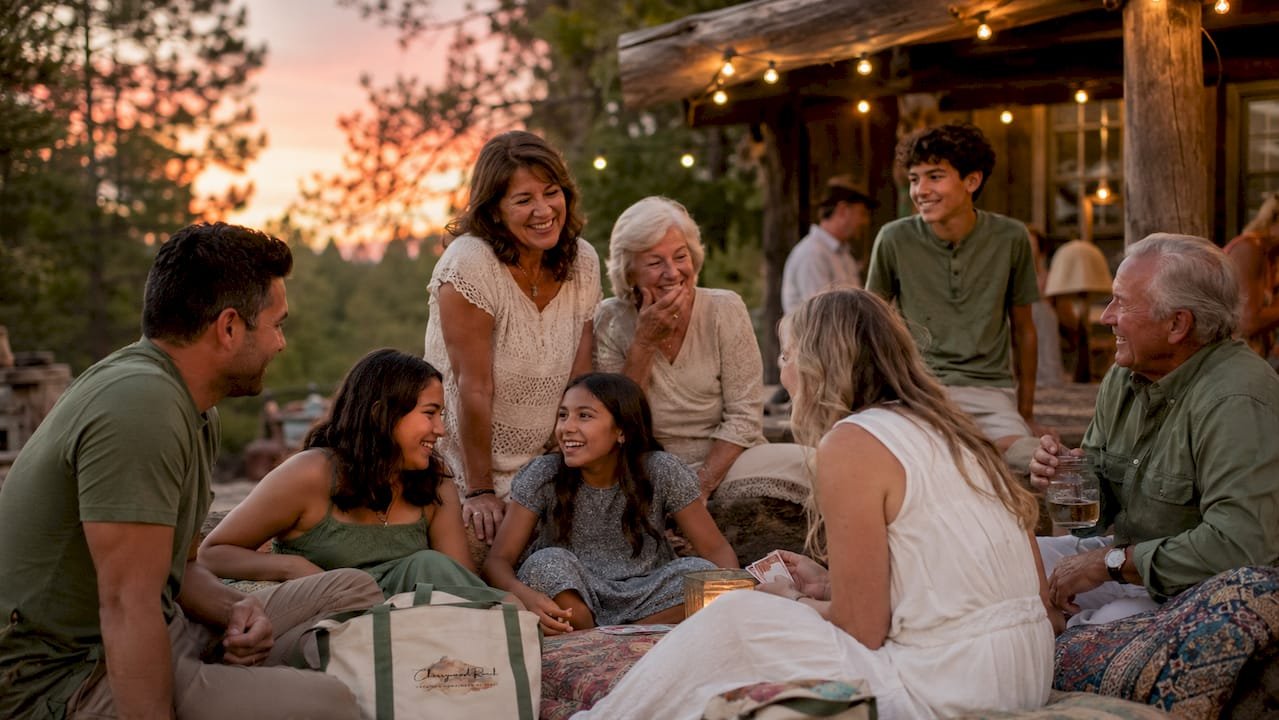
A wedding weekend is defined as a multi-day celebration that extends the traditional single-day ceremony into an immersive shared experience lasting 48–72 hours or more. The role of wedding weekend for family bonding goes far beyond logistics. It creates the conditions for genuine emotional closeness that a single afternoon simply cannot produce. Psychological research confirms that shared extended experiences drive stronger group closeness, with post-event reflection and informal conversation accounting for the majority of that bond deepening. When families gather across multiple days, they move from polite small talk to real connection. That shift is the whole point.
How does a wedding weekend enhance family bonding?
A wedding weekend gives families something a single-day event cannot: time. Multi-day weddings provide 48–72 hours for guests to transition from near-strangers into a connected family unit, compared to just 5–6 hours at a traditional wedding. That difference is not trivial. Relationships need repetition and relaxed interaction to deepen, and a weekend format delivers both.
The mechanism works in layers. On day one, guests arrive, settle in, and exchange pleasantries. By day two, they share meals, swap stories, and start to feel at ease. By the final morning, something has shifted. Cousins who had never met are laughing over breakfast. In-laws who were nervous are swapping phone numbers. The extended timeline is what makes that progression possible.
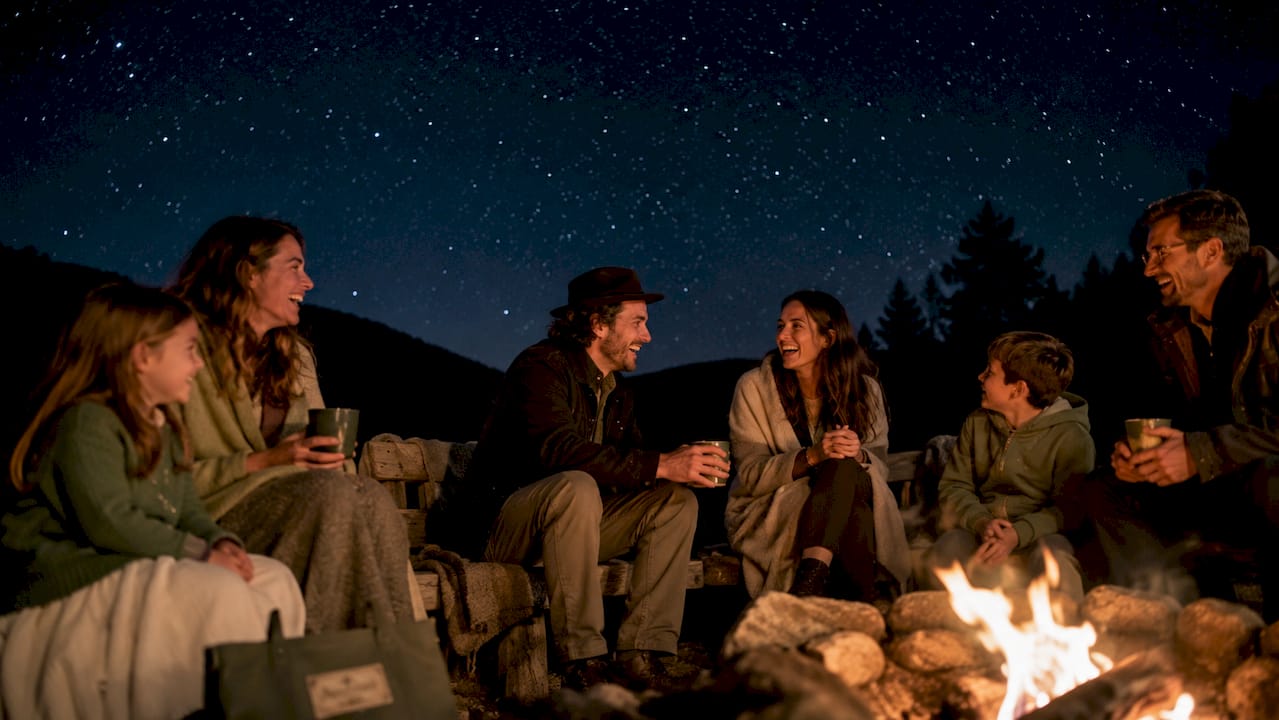
Unstructured time drives much of this. When couples over-schedule every hour, they accidentally eliminate the moments where real bonding happens. A spontaneous walk, a late-night conversation by the fire, or a slow group breakfast creates more relational warmth than a choreographed activity ever will. The wedding weekend experience consistently outperforms single-day events on this measure.
Pro Tip: Build at least one fully unscheduled morning or afternoon into your weekend. Label it “free time” on the itinerary and resist the urge to fill it. That blank space is where the best memories get made.
What shared activities and rituals best promote family cohesion?
Shared rituals are the engine of family cohesion during a wedding weekend. Family rituals reduce parental burnout and increase family quality of life by generating what sociologists call collective effervescence. That term describes the feeling of shared energy and emotional uplift that happens when a group participates in something meaningful together. A wedding ceremony, a group dinner, a dance floor full of relatives: each of these is a ritual in the truest sense.
The most effective bonding activities share three traits. They are participatory rather than passive. They involve some degree of shared emotion. And they create a story worth retelling afterward.
Here is how different activity types compare in their psychological impact:
| Activity type | Psychological benefit | Best timing |
|---|---|---|
| Group ceremony or vow exchange | Collective emotional peak, shared meaning | Day one or two |
| Shared meals with open seating | Casual conversation, cross-family mixing | Every day |
| Dance parties or group games | Laughter, physical energy release, joy | Evening events |
| Storytelling or toast sessions | Memory creation, identity reinforcement | Rehearsal dinner |
| Morning coffee or poolside time | Low-pressure bonding, natural conversation | Morning downtime |
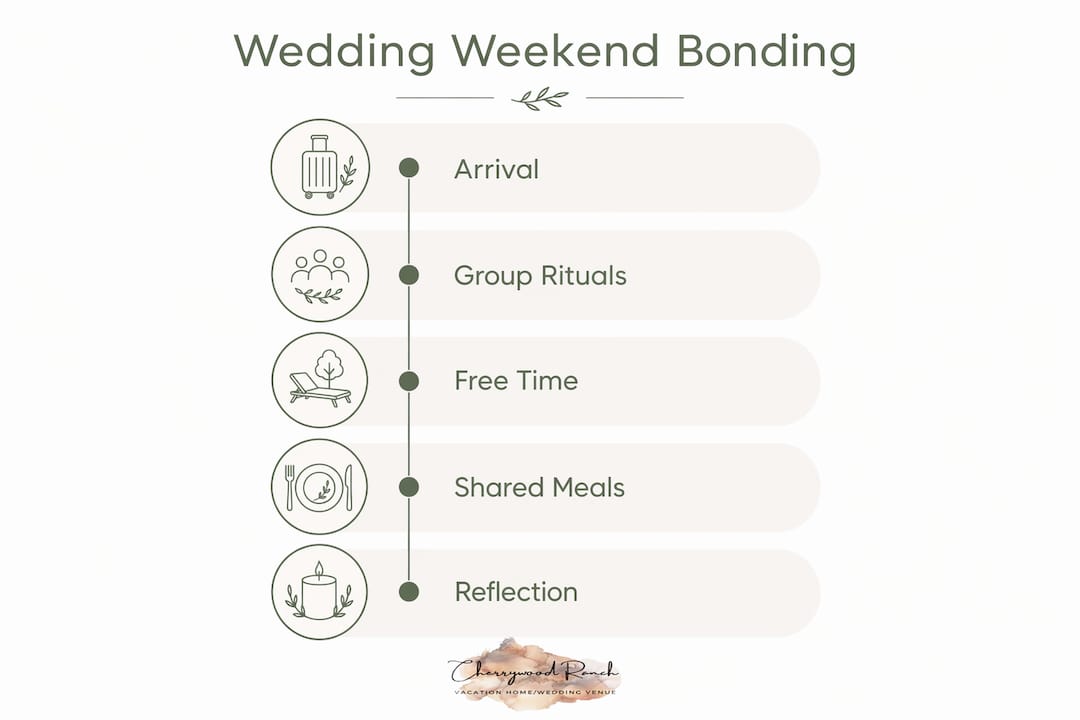
The informal moments after the main events matter most. Over 75% of bond deepening is attributed to discussion and laughter following a shared experience, not the experience itself. That means the conversation around the bonfire after the reception does more relational work than the reception did. Planning for that post-event social time is not optional. It is the point.
Couples who include memorable guest activities across the full weekend report that families leave feeling genuinely closer, not just well-fed and entertained.
How can couples navigate family dynamics during the wedding weekend?
Wedding weekends do not create family dynamics. They reveal them. Intensive shared events magnify existing patterns rather than invent new ones. The aunt who always needs to be in control will need to be in control. The sibling who withdraws under stress will withdraw. Knowing this in advance changes everything.
The productive reframe is to treat tension as a signal, not a crisis. Viewing friction as a normal transition reduces the personal rejection feelings that can derail a weekend. A wedding marks a genuine identity shift for families. Children become spouses. New families merge. Old roles get renegotiated. Some discomfort is built into that process.
Couples who plan intentionally for emotional space tend to navigate this better. That means:
- Assigning a trusted family member or wedding coordinator to handle logistics so the couple stays present.
- Building in quiet time between events so people can decompress.
- Communicating the tone of the weekend clearly in advance so guests know what to expect.
- Letting go of the idea that every moment must be perfect.
Multi-generational planning addresses this directly by designing the schedule around varied family needs, not just the couple’s vision. When grandparents have a comfortable place to rest and teenagers have something to do, the whole group stays happier.
Pro Tip: Before the weekend begins, write down two or three moments you genuinely want to be present for. When something goes sideways, return to that list. It keeps the weekend in perspective and protects the emotional experience you actually came for.
What are practical tips for planning a wedding weekend that maximizes family bonding?
Good planning protects the conditions that make bonding possible. The single most common mistake is over-scheduling. Experienced planners recommend 30–50% free time in the weekend schedule. That ratio feels counterintuitive, but it reflects how people actually connect. Exhausted guests do not bond. Relaxed guests do.
Here is a practical framework for building a bonding-focused wedding weekend:
- Anchor the schedule with three to four key events. A welcome dinner, the ceremony and reception, and a farewell brunch cover the emotional arc without overwhelming guests.
- Leave mornings open. Morning hours are the most natural time for low-pressure conversation. A shared breakfast with no agenda does more bonding work than a structured activity.
- Choose lodging that keeps the family together. Shared lodging improves social cohesion and reduces logistical friction for multi-generational families. When everyone sleeps under the same roof or in the same property, the informal moments multiply naturally.
- Communicate the tone in advance. Send a brief note with the invitation explaining the weekend’s feel. “Relaxed and celebratory” sets different expectations than “formal and structured.” Guests who know what to expect arrive more open.
- Plan for the post-event wind-down. After the reception, create a space for guests to gather informally. A fire pit, a pool area, or a comfortable living room works perfectly. This is where the real bonding happens.
- Use venue amenities to support connection. A pool, hot tub, or outdoor gathering space gives guests a natural reason to linger together. Amenities that invite group use are more valuable than impressive ones that people experience alone.
Shifting to a flexible multi-day format also helps the couple stay emotionally present. When the schedule has breathing room, you are not running from one obligation to the next. You are actually there with your family.
Key Takeaways
A wedding weekend creates deeper family bonds than a single-day event because extended shared time, meaningful rituals, and informal post-event conversation together produce lasting emotional closeness.
| Point | Details |
|---|---|
| Extended time is the foundation | 48–72 hours allows guests to move from strangers to connected family members. |
| Post-event reflection drives bonding | Over 75% of relational closeness comes from talking and laughing after shared experiences. |
| Rituals reduce stress and increase cohesion | Family rituals during the weekend lower burnout and generate collective emotional uplift. |
| Free time is not wasted time | Planners recommend 30–50% downtime to enable spontaneous, natural connection. |
| Shared lodging multiplies informal moments | Keeping the family under one roof increases the low-pressure interactions that deepen bonds. |
Why the imperfect moments matter most
Most couples spend months trying to make their wedding weekend flawless. I understand the impulse. But the research and the real-world stories both point in the same direction: the moments families remember most are rarely the ones that went according to plan.
The toast that got emotional. The cousin who stayed up until 2 a.m. talking with the groom’s father. The morning everyone crowded into the kitchen because the coffee was ready and nobody wanted to leave. Those moments do not appear on any itinerary. They happen in the gaps.
What I have come to believe is that the wedding weekend’s real power lies in its permission structure. It gives families a reason to be together long enough for the walls to come down. The ceremony is the occasion. The weekend is the opportunity. Couples who understand that distinction plan differently. They stop trying to fill every hour and start protecting the space where something real can happen.
The families I have seen leave a wedding weekend genuinely closer are not the ones who had the most activities. They are the ones who had the most time. Time to eat slowly, to wander, to sit with someone they barely knew on Friday and feel like they have known them for years by Sunday. That is what this format does when you let it.
— Luis
Cherrywoodranchweddingvenue: where family bonding weekends come to life
Cherrywoodranchweddingvenue was built for exactly this kind of weekend. Set in the North Georgia Mountains, it combines a destination wedding venue with a luxury vacation home that accommodates up to 16 guests under one roof. The pool, hot tub, mountain views, and open outdoor spaces give families the natural gathering spots where the best post-event conversations happen.
When the ceremony ends, the weekend does not. Families stay, linger, and connect in the way that only shared lodging makes possible. Cherrywoodranchweddingvenue handles the setting so you can focus on the people. If you are planning a wedding weekend that puts family connection at the center, explore the venue options and see what a full weekend together can look like.
FAQ
What is the role of a wedding weekend for family bonding?
A wedding weekend creates extended shared time, shared rituals, and informal social moments that together produce deeper emotional closeness among family members. Research shows that 48–72 hours allows guests to transition from near-strangers to genuinely connected family units.
Why does post-event time matter so much for bonding?
The majority of relational closeness from shared experiences comes from the reflection phase afterward, including talking, laughing, and recounting stories. Planning informal social time after the main events is one of the highest-impact decisions a couple can make.
How much free time should a wedding weekend schedule include?
Experienced planners recommend that 30–50% of the weekend schedule remain unstructured. Free time reduces exhaustion and creates the spontaneous interactions where real bonding happens.
How do shared lodging options improve family connection?
Shared lodging keeps family members in the same space between events, multiplying the low-pressure informal moments that deepen relationships. It also reduces logistical stress for multi-generational families traveling from different locations.
How should couples handle family tension during the wedding weekend?
Wedding weekends reveal existing family dynamics rather than create new ones. Treating tension as a normal part of a major life transition, rather than a personal rejection, helps couples stay emotionally present and protects the relational quality of the weekend.