
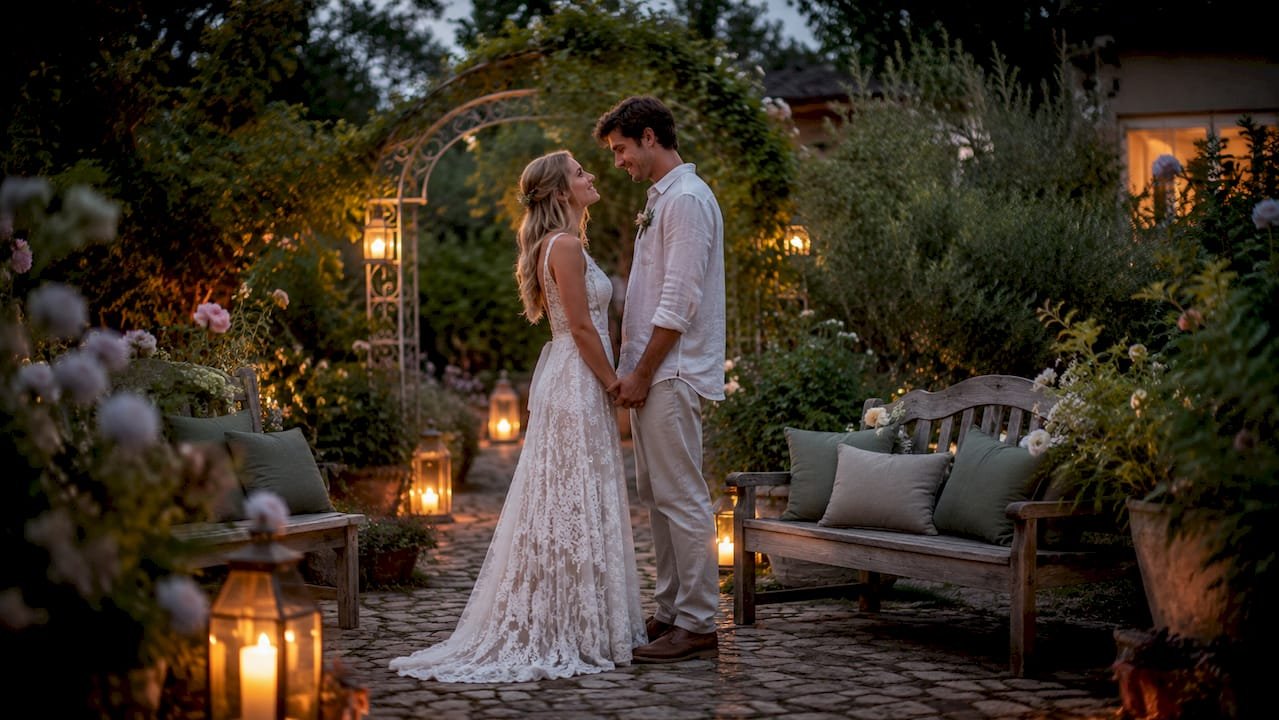
A destination wedding is defined as a marriage ceremony held outside the couple’s hometown, requiring guests to travel to a chosen location that shapes the entire experience. Unlike a traditional local wedding, a destination wedding transforms the event into a multi-day shared getaway. Wedding professionals cite a 12–18 month planning timeline as the standard, compared to 6–8 months for local weddings. The location is never incidental. It becomes the atmosphere, the backdrop, and the reason guests clear their calendars.
What is a destination wedding, and what makes it different?
A destination wedding is not simply a wedding held far from home. The defining feature is intentionality. The couple chooses a location that carries meaning, creates atmosphere, or offers an experience guests cannot get from a local ballroom.

Destination weddings create multi-day events where guests stay together, share dinners, and join excursions, turning the wedding into a memorable long weekend rather than a single afternoon. That shift changes everything about how the event feels. Guests arrive as travelers and leave as participants in something larger than a ceremony.
A few common misconceptions are worth clearing up:
- Distance is not the only qualifier. A mountain retreat two hours from home counts as a destination wedding if guests must travel and stay overnight.
- Small guest lists are the norm, not a compromise. Destination weddings average 60–70 guests, compared to 141 at the average US local wedding. That reduction is a feature, not a flaw.
- Not every guest will attend. Travel costs and scheduling conflicts are real barriers. Couples who accept this early plan better for it.
- Legal marriage may happen separately. Many couples complete legal paperwork at home and hold a symbolic ceremony at the destination, especially for international venues.
Pro Tip: Send a “save the trip” card before your formal save-the-date. A brief heads-up 14–16 months out gives guests time to request leave and check passport expiration dates before they commit.
The wedding weekend experience is fundamentally different from a single-day event. Couples who understand this distinction plan with more confidence and set better expectations for their guests.
How to plan a destination wedding: timelines, budgets, and logistics
Planning a destination wedding requires more lead time than most couples expect. The standard timeline runs 12–18 months, with save-the-dates going out 12–14 months before the wedding, formal invitations at 8 months, and RSVPs closing 3 months ahead. That structure exists because guests need time to book flights, arrange accommodations, and request time off work.
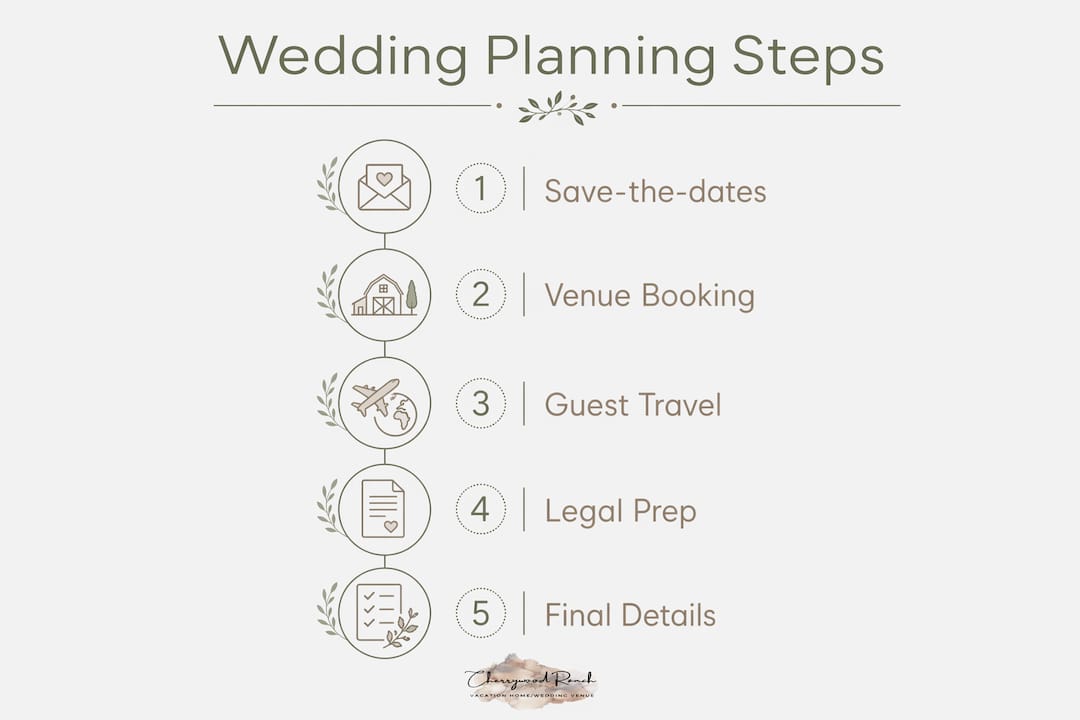
Sending save-the-dates too late is the single most common planning mistake. Waiting until 7 months out risks losing VIP guests to conflicting plans already locked in.
Budget allocation that actually works
Budget planning for a destination wedding follows a different logic than local weddings. A practical breakdown looks like this:
| Budget Category | Recommended Allocation |
|---|---|
| Venue and resort | 50% |
| Travel and transfers | 20% |
| Activities and excursions | 15% |
| Extras and décor | 10% |
| Emergency buffer | 5% |
For international venues, add a 10% currency exchange buffer on top of your total. Exchange rate shifts between booking and final payment can move costs significantly, and most couples do not account for this until it is too late.
Logistics that couples frequently overlook
- Airport proximity matters more than scenery. Venues far from major airports require budgeting for private shuttles. Expecting guests to navigate unfamiliar local transport after a long flight creates frustration before the celebration even starts.
- Block hotel rooms early. Negotiate a room block at your venue or a nearby property. Guests who cannot find affordable lodging close by often skip the trip entirely.
- Build a guest travel page. A simple webpage or PDF with flight options, transfer instructions, and local tips removes friction and shows guests you have thought through their experience.
- Confirm legal requirements before booking. Requirements vary by country and sometimes by region within a country.
Pro Tip: Hire a local wedding coordinator at the destination, even if you already have a planner at home. Local coordinators know vendor relationships, permit requirements, and seasonal weather patterns that no remote planner can replicate.
Popular destination wedding locations and what they offer
The best destination wedding locations share one quality: the setting does work that no florist or decorator can replicate. The environment itself becomes part of the ceremony.
Classic categories each offer a distinct atmosphere:
- Tropical beaches (Caribbean, Hawaii, Mexico) deliver warm weather, natural color, and built-in resort infrastructure. They work well for couples who want a relaxed, sun-filled multi-day event.
- Mountain retreats (North Georgia, Colorado Rockies, the Swiss Alps) offer dramatic scenery, cooler temperatures, and a sense of seclusion. They suit couples who want intimacy over spectacle.
- Historic European venues (Italian villas, French châteaux, Spanish castles) bring architectural grandeur and cultural depth. They require more logistical planning but deliver a setting that photographs unlike anything in North America.
- Countryside estates offer privacy, flexibility, and the ability to host the entire guest group on one property. This format works especially well for smaller, close-knit guest lists.
The experience beyond the ceremony is what separates a great destination wedding from a great local one. Local attractions genuinely enhance the wedding trip for guests. A wine tour the afternoon before the ceremony, a group hike the morning after, or a private dinner at a local restaurant the night of arrival all become part of the story guests tell for years.
Couples should match location to their actual style, not to what photographs well on social media. A beach wedding for a couple who sunburns easily and hates sand is a beautiful disaster. A mountain venue for guests with mobility limitations requires careful logistical planning. The right location feels natural for the couple and manageable for the people they love most.
Guest activity planning is a serious part of the destination wedding experience, not an afterthought. Couples who build a multi-day agenda give guests a reason to arrive early and stay late.
Pros and cons of destination weddings: what couples should weigh
Destination weddings carry real advantages and real tradeoffs. Understanding both helps couples decide with clarity rather than wishful thinking.
The genuine advantages
Destination weddings act as a pressure valve from traditional wedding expectations. The smaller guest list is not a social slight. It is a natural filter that leaves couples surrounded by the people who matter most. The multi-day format creates depth of connection that a four-hour reception cannot match.
The experience is also genuinely memorable for guests who attend. Shared travel creates shared stories. Guests who travel together for a wedding often form or deepen friendships with each other, which extends the couple’s social world in unexpected ways.
The real challenges
| Challenge | What it means in practice |
|---|---|
| Guest travel costs | Some guests simply cannot afford flights, hotels, and time off work |
| Attendance uncertainty | Expect 75–80% attendance with clear early communication; plan accordingly |
| Longer planning timeline | 12–18 months is the minimum, not a suggestion |
| Legal complexity | International ceremonies often require separate legal paperwork |
| “Guest guilt” | Couples sometimes feel responsible for guests’ travel expenses |
Pro Tip: Address guest guilt directly by hosting a local celebration before or after the destination wedding. A home engagement party or post-wedding reception lets family and friends who cannot travel feel included without pressure.
The environmental impact of destination weddings is worth a brief mention. Long-haul flights carry a meaningful carbon footprint. Couples who care about this can offset travel emissions, choose venues with sustainability practices, or select domestic locations that reduce flight distances for most guests.
Key Takeaways
A destination wedding succeeds when couples treat location as the foundation of the experience, not just the backdrop, and plan logistics with the same care they give to décor and catering.
| Point | Details |
|---|---|
| Definition and distinction | A destination wedding requires guest travel and transforms the event into a multi-day shared experience. |
| Planning timeline | Start 12–18 months out; send save-the-dates 12–14 months before the wedding date. |
| Budget structure | Allocate 50% to venue, 20% to travel, and add a 10% buffer for international currency risk. |
| Guest list reality | Expect 60–70 guests on average; clear early communication drives 75–80% attendance. |
| Location choice | Match the setting to the couple’s style and guest logistics, not to social media trends. |
Why the logistics matter more than the location
Couples spend months choosing the perfect destination and then underinvest in the logistics that determine whether guests actually show up and enjoy themselves. I have seen this pattern repeat more than any other in destination wedding planning.
The location is the easy part. You fall in love with a mountain view or a beach at sunset, and the decision feels obvious. What couples consistently underestimate is the friction between that beautiful venue and the moment guests step off a plane. Airport transfers, unclear accommodation options, and late save-the-dates are the three factors that most reliably reduce attendance and guest satisfaction.
My honest advice: treat your guest communication like a product launch. Build a dedicated travel page. Send a preliminary heads-up before the formal save-the-date. Include a FAQ about what guests should pack, what the weather will be like, and what the schedule looks like across the full weekend. Guests who feel informed feel excited. Guests who feel confused find reasons not to come.
The other thing I would push back on is the idea that a destination wedding has to be exotic to be meaningful. Some of the most memorable destination weddings happen within a few hours of home, at a mountain property or countryside estate where the whole group stays together for a full weekend. The intimacy of everyone being in one place, sharing meals and mornings, is what creates the experience. Distance is not the point. Shared presence is.
— Luis
Cherrywoodranchweddingvenue: an intimate Georgia mountain setting
The North Georgia Mountains offer exactly the kind of setting that makes a destination wedding feel worth the trip. Cherrywoodranchweddingvenue combines a scenic destination wedding venue in Georgia with full on-site lodging for up to 16 guests, so your closest family and friends stay together from arrival to farewell brunch.

The property features mountain views, outdoor ceremony spaces, a pool, and a hot tub, giving guests a full weekend experience rather than a single event. Cherrywoodranchweddingvenue handles the setting so couples can focus on the people. If you are weighing destination wedding locations and want something scenic, intimate, and logistically straightforward, explore the venue and lodging options to see whether Cherrywoodranchweddingvenue fits your vision.
FAQ
What is the meaning of a destination wedding?
A destination wedding is a ceremony held outside the couple’s hometown that requires guests to travel, turning the event into a multi-day shared experience centered around a chosen location.
How much does a destination wedding cost?
Costs vary widely by location and guest count, but a practical budget allocates 50% to the venue, 20% to travel and transfers, 15% to activities, and keeps a 5–10% emergency buffer for unexpected expenses.
What should I include in a destination wedding checklist?
A destination wedding checklist covers save-the-dates 12–14 months out, venue booking, guest travel logistics, legal marriage requirements, accommodation blocks, and a multi-day activity schedule for guests.
What are the most popular destination wedding spots?
Popular destination wedding locations include tropical beach resorts in the Caribbean, Hawaii, and Mexico; mountain retreats in Georgia, Colorado, and the Alps; Italian villas; and private countryside estates.
How many guests typically attend a destination wedding?
Destination weddings average 60–70 guests, compared to 141 at the average US local wedding. Couples who send save-the-dates early and communicate travel logistics clearly can expect roughly 75–80% of invited guests to attend.