
Use the timings, sample counts and suggested sequences in this guide as planning examples. Confirm the actual schedule, quotations and responsibilities with the venue and the suppliers you choose.
A personalized wedding experience is a celebration carefully crafted to reflect the couple’s individual story, personality, and values across every element of the day. This goes far beyond choosing a color palette or a floral arrangement. Personalization shapes the ceremony structure, the food, the music, the guest journey, and even how vendors coordinate behind the scenes. Couples who understand this distinction stop chasing trends and start building something that actually feels like them.
What is a personalized wedding experience, really?
A personalized wedding experience is defined as a deeply personal celebration that reflects the couple’s story, values, and preferences across every phase of the event. The industry term for the most tailored version of this is a bespoke wedding, a word borrowed from custom tailoring that means built specifically for one person. Both terms describe the same goal: a wedding that could not belong to anyone else.
The distinction matters because most couples default to a template. They pick a venue, choose from a standard package, and add a few personal touches. A genuinely personalized wedding flips that process. You start with your story and build outward. Christian Lei Events, a wedding planning firm known for high-touch design, describes this shift as moving from trend-following to emotional storytelling. The result is a wedding where guests feel connected and present rather than watching a performance.
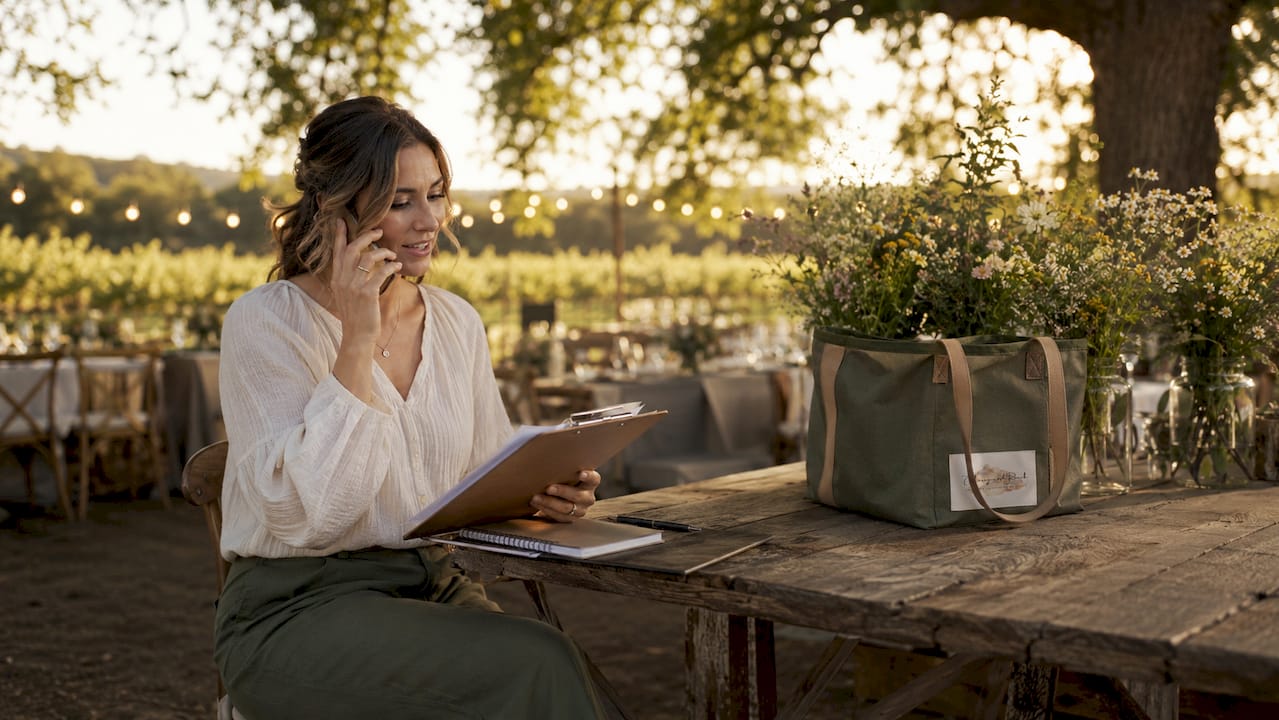
Personalization also operates on two levels that couples often separate by mistake. The first is aesthetic: florals, stationery, fashion, and atmosphere. The second is operational: how the day flows, how guests are guided, and how vendors stay coordinated. Both levels must work together. A stunning ceremony with chaotic logistics still feels impersonal to guests.
What elements make up a truly personalized wedding?
Personalization touches every layer of the wedding day, not just the visible ones. The full scope includes ceremony details, fashion, food, music, florals, stationery, atmosphere, pacing, and the complete guest journey from invitation to farewell.
The most meaningful personalization categories include:
- Ceremony rituals: Writing your own vows, incorporating a cultural tradition, or choosing a reading that reflects your relationship rather than a generic passage.
- Food and drink: A private chef preparing a dish tied to your first date, a signature cocktail named after your dog, or a dessert bar featuring your grandmother’s recipe.
- Music: A live band playing the genre you met over, a playlist curated song by song, or a surprise performance from a friend.
- Florals and atmosphere: Arrangements built around a specific memory or place, not just a trending color scheme.
- Stationery and signage: Custom illustrations, handwritten notes, or a welcome letter that tells your story in your own words.
- Guest journey: Thoughtful seating arrangements, custom welcome gifts, and clear guidance so guests always know where to go and what to expect.
The guest journey element is the one most couples underestimate. Personalization extends beyond décor to the entire guest experience, optimizing comfort, interests, and emotional connections throughout the wedding. A guest who receives a welcome bag with their favorite snack and a handwritten note feels cared for in a way that no centerpiece can replicate.
Avoiding a cookie-cutter wedding means resisting the pull of what looks good on social media. The question to ask at every decision point is simple: does this reflect us, or does this reflect what we think a wedding is supposed to look like?
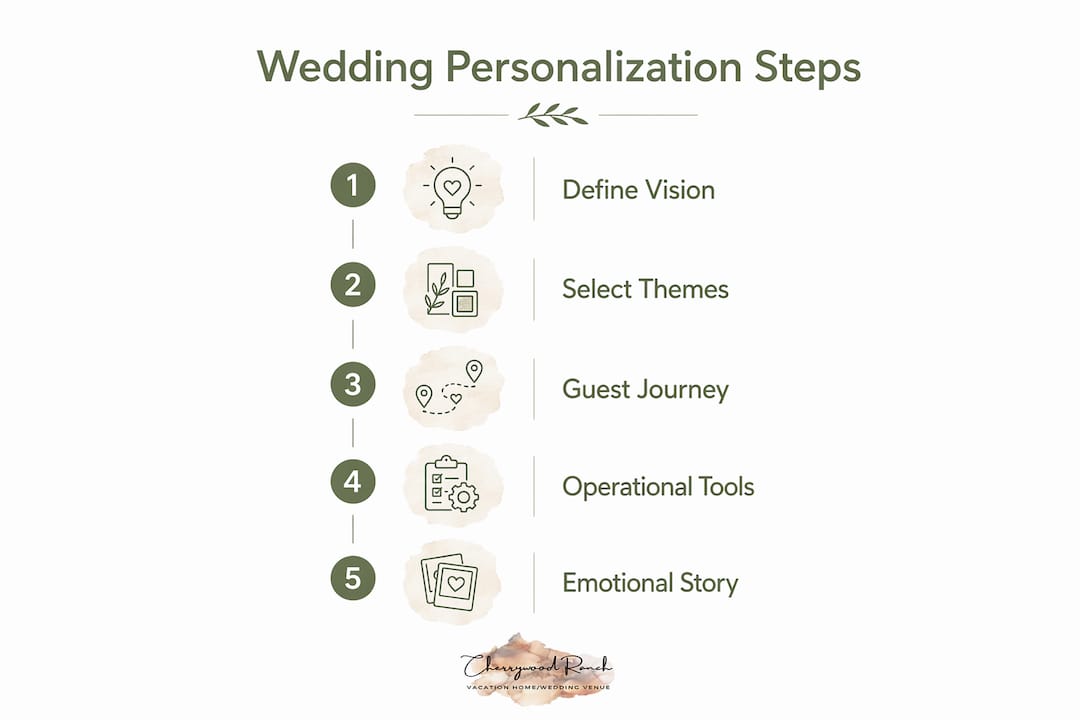
How do you balance personalization without burning out?
The most common mistake in customized wedding planning is trying to personalize everything at once. Focusing deeply on a few meaningful personalization categories prevents burnout and produces a more authentic, cohesive result than spreading effort thin across every detail.
Wedding practitioners advise couples to pick three high-impact domains and go deep on those rather than adding a personal touch to every single element. If florals matter most to you, invest there fully. If ceremony rituals carry the most emotional weight, spend your energy writing vows and selecting readings. If food is central to your relationship, work with a chef who can build a menu around your story.
The planning friction from over-customizing is real. When couples try to personalize 20 different elements simultaneously, decisions stack up, vendors need more direction, and the emotional purpose behind each choice gets lost. The wedding starts to feel like a production rather than a celebration.
Pro Tip: Prioritize emotional storytelling over aesthetic perfection. A ceremony that makes your guests cry is more memorable than one that photographs perfectly but feels generic.
Experience-driven weddings also benefit from pacing the timeline at the couple’s comfort level, integrating personal interests rather than following a standard schedule. Building in realistic buffers means your personalized moments actually happen instead of getting cut when the day runs long.
How does guest experience personalization create emotional connection?
Guest experience personalization is the practice of designing every stage of the wedding around your guests’ comfort, preferences, and emotional needs. Customized entertainment, seating, welcome gifts, and personalized hospitality all increase guest satisfaction by creating memorable moments and reflecting the couple’s unique story in every detail.
The shift in mindset is from event hosting to emotional connection. When you think of yourself as a host rather than a couple putting on a show, every decision changes. You think about wedding weekend guest activities that match your guests’ interests. You consider whether your elderly relatives can navigate the venue comfortably. You think about what your college friends would love to do between the ceremony and reception.
Practical tools that support this include:
- Guest one-pagers: A single document that tells each guest what to expect, where to go, and what is happening at each stage of the day.
- Custom welcome gifts: Curated by guest group, not a single generic bag for everyone.
- Interactive entertainment: Photo booths, lawn games, or a live artist that invites participation rather than passive watching.
- Thoughtful seating arrangements: Placing guests near people they will genuinely enjoy, not just filling tables by family group.
Clarity of logistics and communication often drives guest perception of personalization as much as creative details do. A guest who always knows where to go and what comes next feels cared for. A guest who is confused or waiting feels forgotten, regardless of how beautiful the flowers are.
What tools help you execute a personalized wedding smoothly?
Operational tools are the backbone of any well-executed tailored wedding experience. Without them, even the most thoughtful personalization falls apart on the day.
| Tool | Primary Function | Best For |
|---|---|---|
| Run-of-show document | Master timeline with cues for every vendor | Keeping all parties synchronized |
| Guest one-pager | Single reference for guest guidance | Reducing confusion and repeated questions |
| Vendor packet | Detailed instructions per vendor | Preventing miscommunication on the day |
| Revel.cam | Guest photo sharing via QR code | Collecting candid photos from all guests |
Operational systems that serve as a single source of truth for vendors and guests prevent repetitive questions and confusion, allowing the couple to enjoy their day rather than managing logistics. Revel.cam, for example, lets guests submit photos via QR code, creating a shared album without requiring anyone to download an app. That kind of frictionless participation feels personal because it is easy.
A coordinated system with timeline checkpoints reduces vendor mistakes and keeps the day flowing. The goal is for every vendor to know exactly what they need to do and when, without asking you for direction on your wedding day.
Key Takeaways
A personalized wedding experience succeeds when couples focus on emotional storytelling, operational clarity, and a few deeply meaningful details rather than trying to customize every element.
| Point | Details |
|---|---|
| Define personalization broadly | Personalization covers ceremony, food, music, guest journey, and logistics, not just décor. |
| Focus on three core domains | Pick three high-impact areas and go deep rather than spreading effort across every detail. |
| Prioritize the guest journey | Clear guidance and thoughtful comfort measures shape how guests perceive your wedding. |
| Pace the timeline realistically | Build in buffers so personalized moments actually happen without being rushed or cut. |
Planning at Cherrywood Ranch
Confirm the spaces, guest list, access times and vendor responsibilities for the actual celebration you want to hold.
Cherrywood is an à la carte venue with wedding capacity up to 100. The six-bedroom house sleeps up to 16; these are separate limits. Catering, flowers, photography, entertainment, event coordination and bar service are arranged separately.
Check the current inclusions and published packages. Additional gatherings with non-overnight guests require prior approval and a fee. The rehearsal and rehearsal dinner allow up to 30 guests for three hours combined; the couple sets up the tables and chairs, and rehearsal linens are not included.
What is the difference between a personalized and a standard wedding?
A standard wedding follows a venue’s default package and timeline. A personalized wedding is built around the couple’s specific story, values, and guest relationships, with custom elements woven through every stage of the day.
Does personalization make wedding planning more expensive?
Not necessarily. Personalization is about intention, not budget. Writing your own vows, curating a meaningful playlist, or cooking a family recipe costs little. The expense comes from over-customizing vendor services, not from personalization itself.
Can a small or intimate wedding be truly personalized?
Intimate weddings are often the most personalized because the couple can give real attention to each guest’s comfort and experience. A wedding with 16 guests allows for custom welcome gifts, individual seating conversations, and shared activities that a 200-person event cannot replicate.