
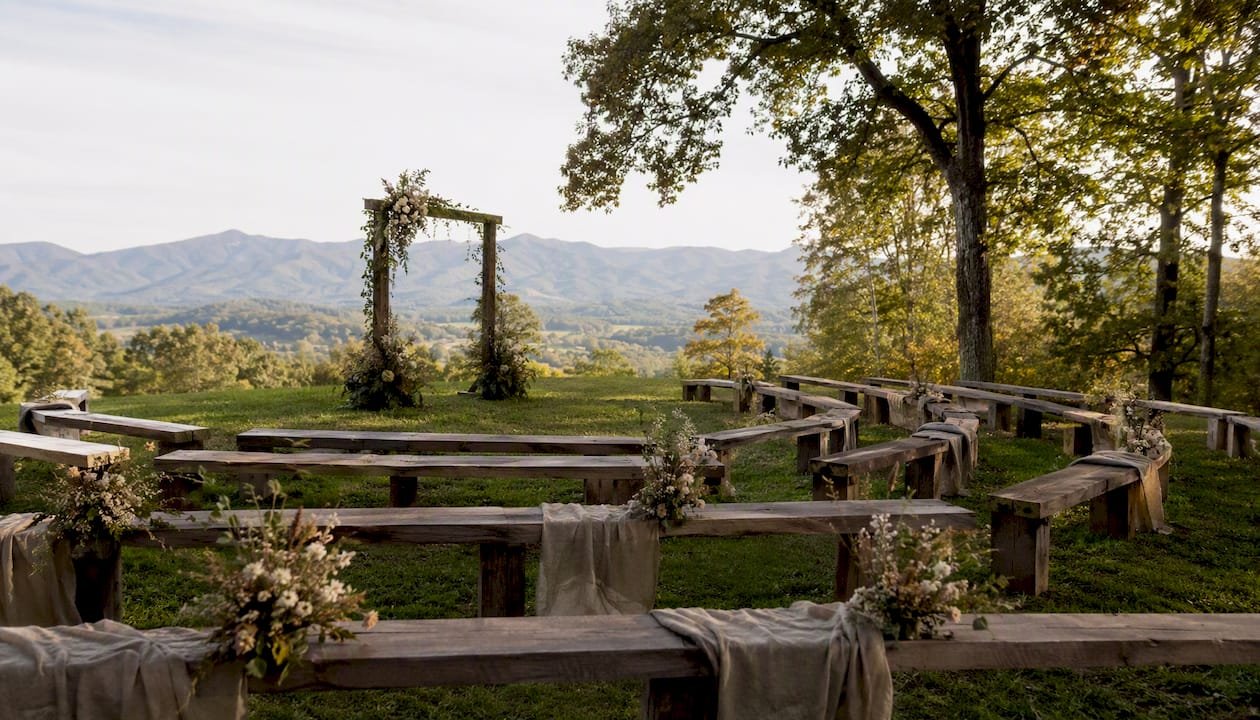
A 50-guest wedding in the U.S. typically costs from low tens of thousands to nearly thirty thousand dollars, varying by location and catering style. The Knot’s data shows that couples with 1–50 guests typically spend around the mid-teens in thousands of dollars, with the per-guest figure in the high two hundreds. Honeyfund’s 2026 small wedding breakdown confirms that $11,500–$22,000 is the realistic range for most 50-guest celebrations, with food and drinks alone running $80–$130 per person.
Here’s how the per-guest math actually works:
- Fixed costs (photographer, attire, officiant, stationery) don’t move when your guest count drops. On a 50-person list, those fixed costs get spread across fewer people, which pushes your per-guest average up compared to a 150-person wedding.
- Variable costs (catering, bar, rentals, favors) scale directly with headcount. At $80–$130 per person for food and drinks alone, 50 guests means $4,000–$6,500 just for that line item.
- Location moves the needle more than almost any other factor. A 50-person wedding in a mid-size Southern or Midwestern city might typically cost in the mid to upper teens of thousands of dollars. The same wedding in Los Angeles averaged $29,114 in Zola’s regional breakdown.
Pro Tip: *If your total is coming in above $22,000 for 50 guests, check your venue and catering line items first.
Key Takeaways
A 50-guest wedding in the U.S.
| Point | Details |
|---|---|
| Total cost range | Most 50-guest weddings land between $11,500 and $22,000; high-cost markets like Los Angeles average $29,114. |
| Per-guest math | Food and drinks run $80–$130 per person; fixed costs (photographer, attire) don’t scale with guest count. |
| Top budget categories | Venue and rentals (~29%) and catering (~24%) together consume over half the budget. |
| Hidden fees to plan for | Service charges of 18–22% plus sales tax can add 10–15% to your catering and venue total. |
| Cherrywoodranchweddingvenue | A private North Georgia Mountain weekend venue with onsite lodging for 16 guests; worth comparing total-cost-with-lodging against traditional venue quotes. |
Table of Contents
- How is a 50-guest wedding cost actually broken down by category?
- Three sample budgets for a 50-guest wedding
- What drives costs up most for a 50-guest wedding?
- What hidden fees catch couples off guard?
- How should you build a payment timeline for a 50-guest wedding?
- How does a private weekend venue change the budget math for 50 guests?
- Setting your budget from scratch: the practical starting point
- What planning a 50-guest wedding actually teaches you
- Cherrywood Ranch: a weekend wedding venue built for intimate celebrations
- Sources
How is a 50-guest wedding cost actually broken down by category?
The numbers below reflect realistic ranges for a 50-guest wedding in a mid-cost U.S. market.
These percentage allocations from Brides are a reliable starting framework. Venue and rentals at 29% and catering at 24% consistently dominate, which is why those two categories deserve the most scrutiny when you’re building your budget.
Fixed vs. variable costs matter more than most couples realize. Photography, attire, officiant fees, and stationery are essentially flat regardless of whether you have 30 or 60 guests. American Express’s national wedding cost analysis notes that per-guest costs average near three hundred dollars nationally, recognizing that fixed costs affect this average. For a 50-guest wedding, you’re paying the same $3,000 photographer fee whether you have 40 or 55 guests, so the per-guest math shifts based on how many people share those fixed costs.
Three categories where couples consistently under-budget:
- Service charges and gratuities. Most catering contracts add 18–22% on top of the food and beverage total. That’s $720–$2,090 on a $4,000–$9,500 catering bill before you’ve tipped a single server.
- Vendor meals. Your photographer, coordinator, DJ, and any other vendor working more than four hours typically expects a meal. Budget $25–$40 per vendor.
- Overtime fees. Venues and caterers charge $150–$500 per hour when events run long. If your reception has a hard stop at 10 PM, plan accordingly or budget for the extension.
Three sample budgets for a 50-guest wedding
These three scenarios show how the same guest count produces very different totals depending on your choices. Per-guest food and drink figures use The Knot’s catering baseline of $80 per person as the floor.
Low-cost scenario: $13,500 total ($270 per guest)
Midrange scenario: $19,500 total ($390 per guest)
Aspirational scenario: $35,000+ total ($700+ per guest)
The biggest cost gap between low and mid scenarios comes from two decisions: buffet vs. plated service (roughly $30 per person) and cash bar vs. open bar (roughly $1,200 difference at this guest count). Those two swaps alone account for about $2,700 of the gap.
Pro Tip: Build your budget around the midrange scenario first, then identify which two or three line items matter most to you and upgrade only those. Couples who try to upgrade everything end up in the aspirational range without realizing it until the invoices arrive.
What drives costs up most for a 50-guest wedding?
Guest count is the single biggest predictor of total wedding cost, but for a 50-person celebration, the cost drivers work a little differently than for a 150-person event.
Venue is the first lever. A venue with a food and beverage minimum of $8,000 doesn’t become cheaper just because you have fewer guests. Some venues charge a per-missing-guest penalty if you don’t hit their minimum headcount. Before signing, ask specifically whether the minimum applies to your guest count or to a larger assumed party.
Catering format is the second lever. Plated dinners require more staff per guest than buffets or family-style service. For 50 guests, switching from plated to family-style typically saves $20–$35 per person, which is $1,000–$1,750 at this scale.
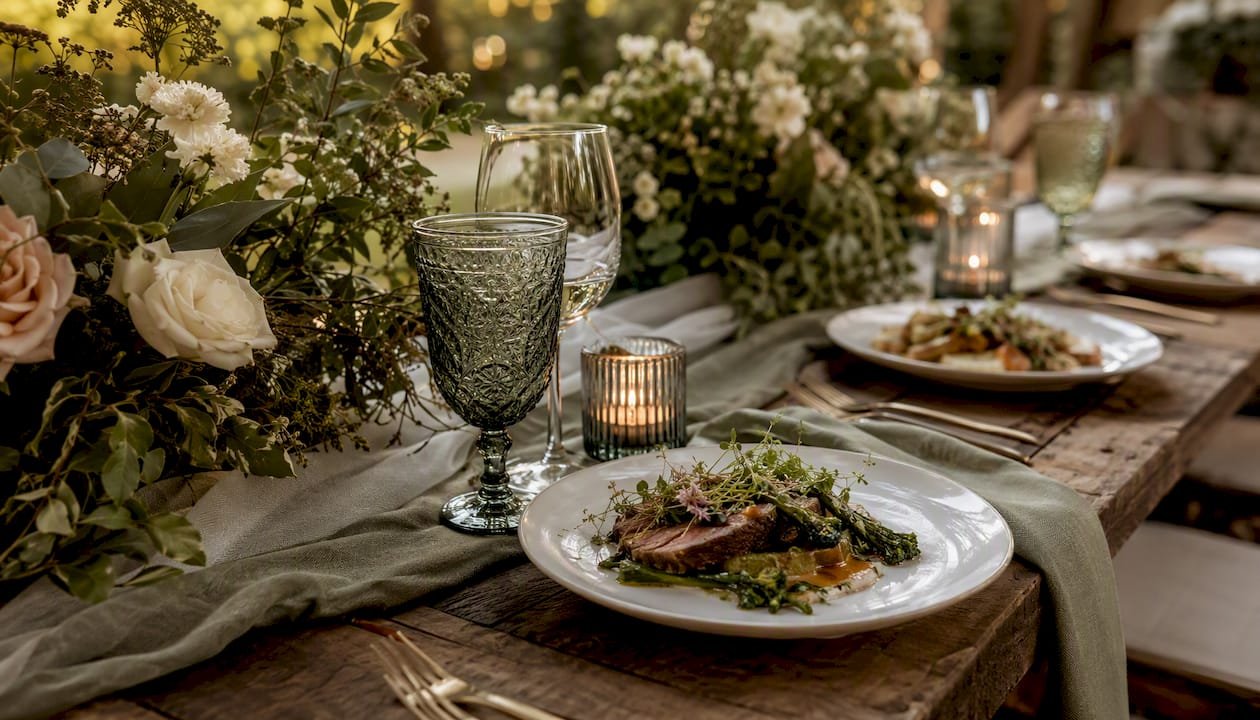
Bar structure matters more than most couples expect. A full open bar for 50 guests for four hours can run $2,000–$3,500 depending on the market and the caterer’s markup. Beer and wine only cuts that roughly in half.
Photographer is where cost-cutting tends to backfire. Saving $1,500 by booking a less experienced photographer is a real savings today and a real regret in five years. This is one category where the midrange spend usually earns its keep.
Pro Tip: For a 50-guest wedding, ask your venue whether they have a weekend-lodging package that consolidates vendor logistics. When vendors stay on-site or nearby, you often avoid travel fees, second-trip delivery charges, and overtime caused by vendors leaving and returning. Cherrywoodranchweddingvenue’s destination wedding weekend model is built around exactly this kind of cost consolidation.
What hidden fees catch couples off guard?
Service charges and taxes are the most common budget surprises, and they’re almost never included in the headline quote a vendor gives you.
The real number to watch: Service charges of 18–22% plus sales tax can add 10–15% to your total catering and venue bill if they’re not included in the initial quote. On a $15,000 catering and venue package, that’s $1,500–$2,250 you didn’t see coming. Always ask vendors to provide an all-in quote that includes service charges, administrative fees, and applicable taxes before you compare prices.
Honeyfund’s small wedding breakdown specifically flags service charges as one of the most frequent sources of budget overruns for small weddings, precisely because couples focus on the per-person food cost and miss the multiplier sitting on top of it.
Contract checklist: ask every vendor these questions before signing:
- Does your quote include service charges and gratuities, or are those added at invoicing?
- What is the sales tax rate applied to this contract?
- Is there an overtime fee, and what triggers it?
- Are vendor meals included, or billed separately?
- Is there a delivery, setup, or breakdown fee?
- What happens if my final guest count drops below the contracted number?
Other costs couples frequently miss:
- Cake cutting fee. Many venues charge $2–$5 per slice to cut and serve a cake you bring in from an outside bakery.
- Corkage fee. If you supply your own wine or spirits, venues often charge $15–$25 per bottle opened.
- Parking or shuttle costs. For venues without on-site parking, guest transportation adds up fast.
- Rehearsal dinner. Not technically a wedding cost, but it often lands in the same planning window and budget conversation.
How should you build a payment timeline for a 50-guest wedding?
Booking order matters as much as budget allocation. The most in-demand vendors (venues, photographers, caterers) book 12–18 months out in popular markets. For a 50-guest wedding, the timeline compresses slightly because you have more venue options, but the deposit schedule stays roughly the same.
Booking and payment milestones
| Timeframe | Action | Typical Deposit |
|---|---|---|
| 12–9 months out | Book venue, secure date | 25–50% of venue fee |
| 9–6 months out | Book photographer, caterer, officiant | 25–50% per vendor |
| 6–3 months out | Book DJ or band, florist, coordinator | 25–50% per vendor |
| 3–2 months out | Confirm guest count, finalize menu | Caterer may require updated estimate |
| 4–6 weeks out | Final guest count due to caterer | Remaining balance often due |
| 1–2 weeks out | Final payments to most vendors | Balance due (varies by contract) |
| Wedding day | Gratuities distributed | Cash or pre-written checks |
Recommended budget allocation for 50 guests:
Time-sensitive decisions to make early:
- Lock in your venue before any other vendor. Every other booking depends on the date.
- Confirm your caterer’s guest-count policy. Some require a minimum headcount guarantee regardless of actual attendance.
- Ask your photographer about travel fees if the venue is more than 60 miles from their base.
- Get all service charge and tax disclosures in writing before signing any contract.
How does a private weekend venue change the budget math for 50 guests?
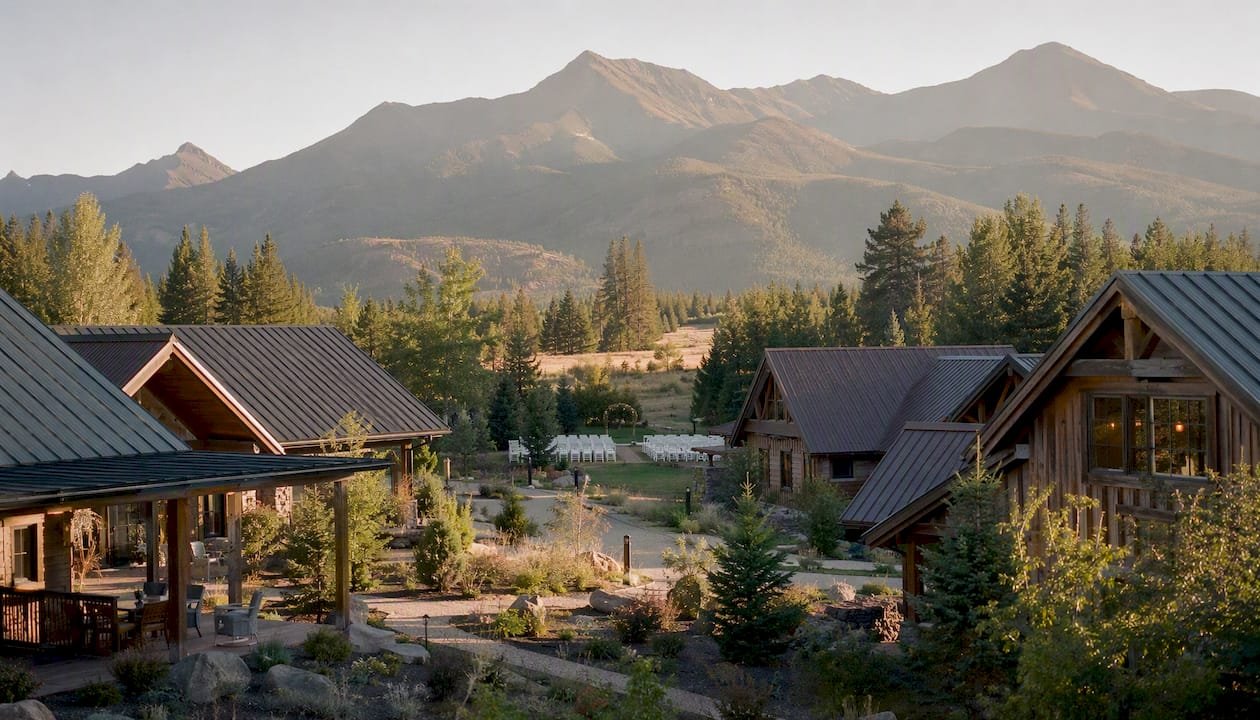
A private destination venue like Cherrywoodranchweddingvenue in the North Georgia Mountains shifts the cost structure in ways that aren’t obvious from a standard line-item budget.
The most significant shift is in transportation and vendor logistics. At a traditional one-day venue, vendors drive in, set up, work, and drive home. At a destination weekend venue, some vendors may need to stay overnight, which adds lodging costs but often eliminates second-trip delivery fees, overtime caused by long drives, and the coordination overhead of managing vendors arriving from multiple directions.
What the Cherrywoodranchweddingvenue model looks like for ~50 guests:
- The venue accommodates up to 16 guests in onsite luxury lodging, which covers your immediate family and wedding party.
- Remaining guests typically book nearby accommodations, reducing the transportation coordination burden significantly.
- Outdoor ceremony and reception spaces, a pool, and a hot tub mean your wedding weekend becomes a full experience rather than a single four-hour event.
- Multi-day coordination is built into the package, which reduces the need for a separate full-service planner.
The value math for a weekend venue: When you factor in that your closest 16 guests stay onsite, you eliminate hotel room blocks, shuttle logistics, and the rushed timeline of a one-day event. The per-night lodging cost for those guests often comes out to less than what they’d pay for a hotel room in a comparable mountain resort area, and they get a private pool and mountain views instead of a corridor room.
For couples considering a destination weekend format, intimate venues designed for smaller guest lists often deliver a better per-guest experience than large resort venues that treat your 50-person wedding as a small booking. The luxury vacation home wedding model is worth understanding before you commit to a traditional venue contract.
Pro Tip: If your guest list is 50 or fewer, a private weekend venue often costs less in total than a traditional venue when you account for the lodging your family would have booked anyway. Run the math with lodging included before comparing venue quotes side by side.
Setting your budget from scratch: the practical starting point
Before you look at a single venue or vendor quote, write down three numbers: your absolute ceiling (the most you can spend without financial stress), your target (what you’d like to spend), and your floor (the minimum that still produces the wedding you actually want). Most couples skip this step and end up anchoring to the first quote they receive.
Once you have those three numbers, allocate them using the percentage framework from the category breakdown above. Venue and catering together should consume no more than 53% of your total.
The booking order is non-negotiable: venue first, then photographer, then caterer, then everyone else. Reversing this order is how couples end up with a florist they love and a venue that doesn’t fit their date. Hidden fees, overtime, and last-minute additions are not hypothetical risks; they happen at nearly every wedding.
What planning a 50-guest wedding actually teaches you
Most couples who’ve been through it will tell you the same thing: the guest list is the budget. Every person you add to that list adds variable costs and, more importantly, complexity. Fifty guests is genuinely intimate. You can have a real conversation with every person in the room. That’s not true at 150.
The planning mistake I see most often with smaller weddings is treating the lower guest count as an automatic cost savings and then filling the gap with upgrades. A 50-person wedding with a full open bar, a live band, plated dinner, and a premium photographer can easily hit $35,000. That’s not a small wedding budget; it’s a large wedding experience at a smaller scale.
The couples who come out of this process feeling good about their spend are the ones who decided early which two or three things mattered most to them and spent there, then held the line everywhere else. If the photography is what you’ll care about in 20 years, spend on the photographer. If the food is what your family talks about, spend on the caterer. But pick your priorities before you start getting quotes, not after.
Cherrywood Ranch: a weekend wedding venue built for intimate celebrations
For couples planning a 50-guest wedding who want more than a four-hour event, Cherrywoodranchweddingvenue offers something most venues don’t: a complete wedding weekend in the North Georgia Mountains, with onsite luxury lodging for up to 16 guests, outdoor ceremony and reception spaces, and resort-style amenities including a pool and hot tub.
The practical advantage for a 50-guest wedding is real. Your wedding party and immediate family stay onsite. The venue handles multi-day coordination. You’re not managing hotel blocks, shuttle schedules, or the compressed timeline of a single-day rental. The mountain setting handles the decor work that would cost thousands at a blank-slate venue. Couples who’ve compared traditional venue quotes side by side with a Cherrywoodranchweddingvenue weekend package often find the total is closer than they expected, once lodging is factored in.
To check availability or get a quote for your date, visit the Cherrywood Ranch destination wedding page or explore wedding venue with lodging options in Georgia to see what a full weekend package looks like for your guest count.
Sources
- This Is the Average Wedding Cost, Backed By Data
- Small Wedding Cost Breakdown (20–50 Guests) in 2026
- Average Wedding Cost in LA: Complete Budget Breakdown
- How Much Does an Average Wedding Cost?
- Brides