
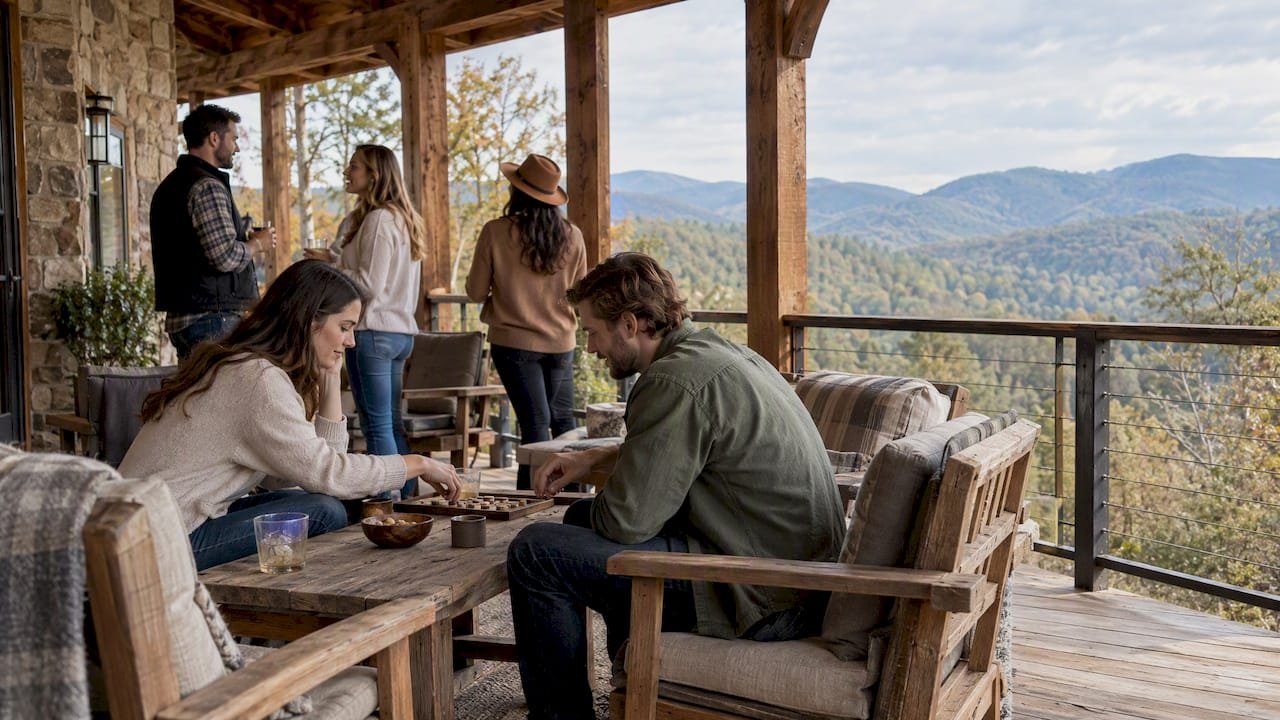
Mountain wedding guests should expect rugged terrain, quick temperature swings, and real travel logistics, from winding roads to limited parking. The single best thing a host can do is communicate clearly and early, then back that up with basic on-site hospitality like water, seating, and extra layers. At venues offering a one-site weekend format, much of that friction can be handled before guests even arrive.
TL;DR:
- Clear, detailed communication about parking, transportation, and weather plans is essential to reduce guest stress and prevent last-minute surprises.
- Guests should pack layered clothing, sturdy traction shoes, and hydration essentials to handle temperature swings, uneven terrain, and outdoor conditions.
- Hosting the ceremony, reception, and accommodations on a single property streamlines logistics and minimizes transit, especially at all-in-one mountain venues like Cherrywood Ranch.
- A weather backup plan should be decided in advance, with a designated notification method to inform guests of any schedule changes effectively.
- Providing on-site hospitality items such as water stations, blankets, and a dedicated information point enhances comfort and simplifies guest navigation.
Table of Contents
- 1. Top Steps to Prepare Guests for a Mountain Wedding
- 2. Guest Packing Checklist for Mountain Weddings
- 3. Travel, Arrival, and Parking Logistics
- 4. What to Wear: Attire and Footwear by Season
- 5. Weather, Plan B, and Leave-No-Trace Basics
- 6. Accommodations and the Multi-Day Weekend Format
- 7. Accessibility and On-Site Navigation
- 8. Hospitality Extras That Elevate the Guest Experience
- 9. Food and Beverage Options Tailored for the Mountain Environment
- 10. Safety Tips and Emergency Procedures Specific to the Mountain Venue
- 11. Recreational Activities or Downtime Experiences for Guests
- 12. Communication Tools or Methods for Real-Time Updates
- 13. A Planner’s View: What Actually Prevents Guest Problems
- Cherrywood Ranch: One Mountain Weekend, Fewer Moving Parts
- FAQ
- Sources
1. Top Steps to Prepare Guests for a Mountain Wedding
A mountain ceremony asks more of guests than a ballroom does, so the invitation and wedding website have to do real work. Think of them as a briefing packet, not just an announcement.
- Send detailed invitations that include a meeting point map, a full itinerary, and an estimated walk or hike duration to the ceremony site.
- Lead with dress code and footwear guidance so guests pack correctly before they even think about outfits.
- Share transportation and parking plans, including whether a shuttle will run or guests should carpool.
- Recommend an arrival window that gives guests time to settle in, especially if lodging is on-site.
- Publish a plan B for weather and explain exactly how and when guests will be notified of changes.
- Add a short reminder about permits and leave-no-trace etiquette if the ceremony is on public or shared land.
- Stage on-site comfort items like water stations, blankets, and extra seating before guests arrive.
- Set photo etiquette expectations, such as unplugged ceremony moments or designated photo zones.
- Note basic safety reminders: hydration, sun exposure, and how to find a first-aid kit if needed.
- Close with a short, guest-ready checklist guests can screenshot or print.
A simple version of that checklist, ready to paste into an invitation or wedding website, might read:
- Wear closed-toe shoes with grip, not thin heels.
- Bring a jacket or wrap for after sunset.
- Arrive at the meeting point 30 minutes before the ceremony start time.
- Check the wedding website the morning of the event for weather updates.
- Bring a refillable water bottle.
Proactive, specific communication like this is widely considered a form of hospitality in its own right at outdoor weddings: when guests know what terrain and timeline to expect, “surprise” complaints drop off sharply. That’s the difference between a guest who feels prepared and one who shows up in sandals on a gravel trail.
2. Guest Packing Checklist for Mountain Weddings
Pack for a weekend that swings from warm afternoon sun to a cold evening reception. A smart layering approach, plus the right shoes, solves most mountain-wedding discomfort before it starts.
- A breathable base layer, a light mid layer, and a packable shell or wrap for after dark.
- Shoes with traction: block heels, wedges, dress boots, or flats rather than thin stilettos.
- Sunscreen, sunglasses, and bug spray for daytime outdoor stretches.
- A refillable water bottle and any personal medications in a small bag.
- Chargers, comfortable clothes for downtime, and a phone power bank for a weekend stay.
- Optional extras: a mini first-aid kit and hand warmers for chilly evening receptions.
3. Travel, Arrival, and Parking Logistics
Mountain venues rarely offer the wide, well-marked parking lots guests are used to, so routing details matter as much as the dress code.
- Post printable, GPS-friendly directions and a clear meeting point on the wedding website, since cell service can be unreliable in the mountains.
- Confirm parking capacity ahead of time and arrange a shuttle or encourage carpooling if space is limited, following essential tips for stress-free group airport transfer.
- Build in an arrival window, not just a start time, so guests have room to park, walk, and settle before the ceremony begins.
- Flag seasonal road conditions like unpaved sections or closures, and offer an alternate route when one exists.
4. What to Wear: Attire and Footwear by Season
Dress in layers and expect the temperature to drop roughly 10 to 20°F after sunset, even on a warm afternoon. Summer calls for breathable fabrics like linen or light cotton, while fall and winter weddings favor heavier fabrics and a real coat, not just a shawl, according to The Knot’s outdoor wedding attire guide.
- Skip thin stilettos. Choose block heels, wedges, booties, or flats that can handle grass, gravel, or dirt paths.
- Guests traveling from lower elevations should plan for a sharper chill than their hometown weather suggests.
- Bring one extra layer beyond what feels necessary. Mountain air cools faster than most guests expect.
5. Weather, Plan B, and Leave-No-Trace Basics
Outdoor weddings build in a weather backup as a matter of course, not as a sign something went wrong. The job for hosts is to decide that plan ahead of time and tell guests exactly how they’ll hear about a change, whether that’s a text alert, a wedding website banner, or an announcement from the welcome table.
- Keep the timeline flexible enough to shift the ceremony by 30 to 60 minutes without chaos.
- Pick one notification channel and stick to it so guests check only one place.
- Remind guests to stay on marked paths and pack out their own trash if the site sits on public or shared land.
Pro Tip: Keep a small bin of blankets and a thermos of hot cider or coffee near the seating area. It solves a sudden cold front faster than any announcement can.
6. Accommodations and the Multi-Day Weekend Format
A one-venue weekend cuts out a lot of what makes mountain weddings stressful for guests: driving between a hotel, a ceremony site, and a reception venue on unfamiliar roads. Multi-day destination weddings with on-site lodging are increasingly recommended for mountain settings because they reduce transit stress and give guests real shared time together instead of just a few ceremony hours.
- Arrive 24 to 48 hours early when travel or elevation change is significant, so there’s time to rest before the big day.
- Offer one low-effort group activity, like a welcome dinner or a short guided walk, rather than a packed schedule.
- Keep at least one morning open for guests who’d rather sleep in than socialize.
- On-site lodging simplifies shuttle planning, meal timing, and getting ready together as a group.
7. Accessibility and On-Site Navigation
Terrain is one of the most common guest stressors at mountain venues, so spell out walking distances, surface type, and elevation change in the invitation or website, not as a surprise on arrival.
- Note total walking distance and whether paths are paved, gravel, or grass.
- Provide seating near the ceremony and a mobility shuttle or temporary path for guests who need one.
- Tell guests exactly who to ask for help on-site, whether that’s a coordinator, a family member, or a marked welcome point.
- Add basic signage, a few marshals along the path, and a hydration station near the gathering area.
8. Hospitality Extras That Elevate the Guest Experience
Small, practical touches turn a mountain setting from a logistical puzzle into a warm weekend. Welcome bags with water, a printed agenda, and a local snack or two give guests everything they need the moment they arrive, and a staffed welcome point resolves last-minute questions before they become problems.
- Pack welcome bags with water, a printed itinerary, and a regional treat.
- Set up a hot drink station, extra blankets, and bug spray near the seating area.
- Offer a shoe-cleaning or towel station for guests who hike in from a parking area.
- Suggest a short local hike or scenic drive for multi-day guests looking to fill downtime.
Pro Tip: A single staffed table near the entrance, even just one person with a clipboard, can answer most guest questions before they ever reach the host.
9. Food and Beverage Options Tailored for the Mountain Environment
Mountain weddings call for a menu that holds up outdoors and across a temperature swing, not one built for a climate-controlled ballroom. Passed appetizers and a simple buffet travel better than a plated, multi-course meal when guests are seated on uneven ground or near a tented reception.
Warm options matter more here than at a typical reception. A soup shooter, a mulled cider station, or a coffee and hot chocolate bar at the end of the night gives guests something to hold onto as temperatures drop after sunset. On the drink side, a light, refreshing cocktail works for a daytime toast, but having a warm alternative ready for the evening keeps guests comfortable without needing to retreat indoors.
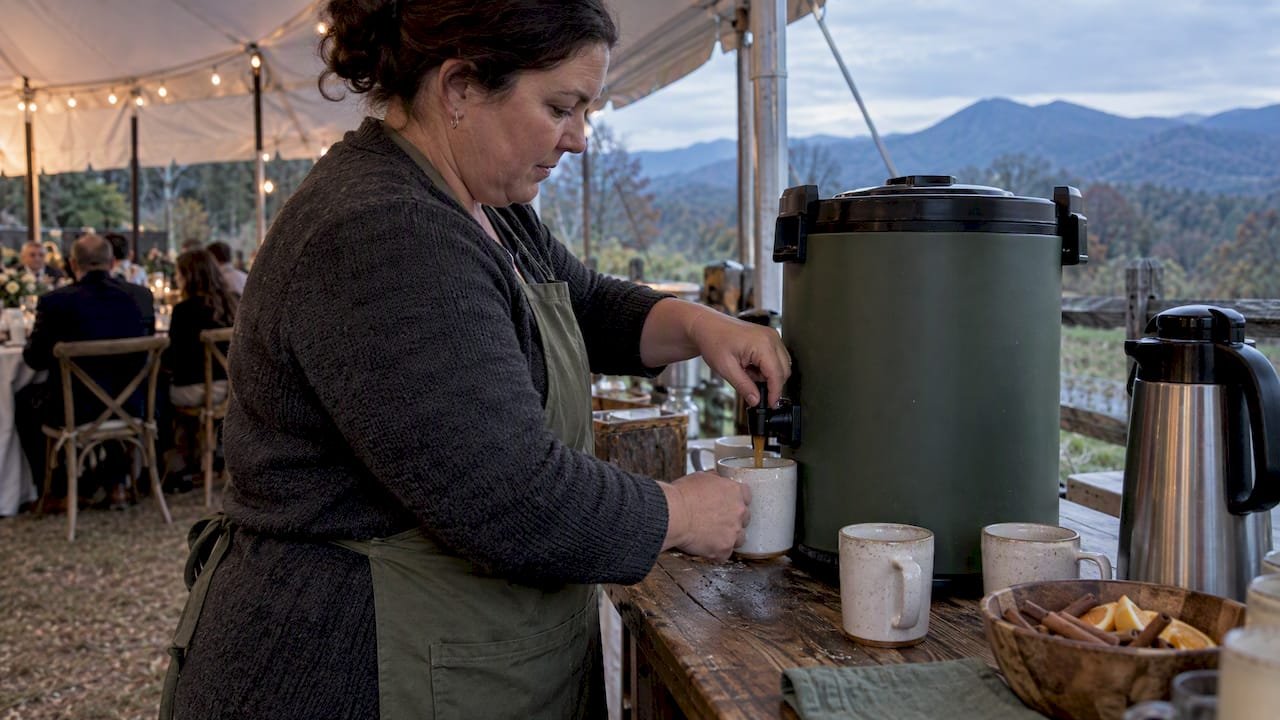
Food safety also shifts outdoors. Items with mayonnaise-based sauces or dairy that sit out too long in direct sun need more attention than they would inside, so shade for the buffet line and a plan to rotate trays matters as much as the menu itself.
For multi-day weekend formats, staggering meals, a casual welcome dinner the night before, a relaxed brunch the morning after, spreads out the hosting load and gives guests more than one chance to relax together instead of concentrating everything into a single reception.
10. Safety Tips and Emergency Procedures Specific to the Mountain Venue
Altitude and uneven ground are the two factors that catch mountain wedding guests off guard most often. Guests arriving from lower elevations can experience headache or shortness of breath, and giving them time to acclimate along with reminders to hydrate helps cut down on that discomfort.
A basic first-aid kit should be easy to locate and someone on-site, whether that’s a coordinator or a designated family member, should know exactly where it is and how to reach emergency services if cell signal is weak. Posting the nearest address or GPS coordinates for emergency responders at the welcome table removes guesswork if something does happen.
Footwear-related stumbles are the most common minor incident at outdoor weddings, so marking uneven steps, roots, or drop-offs with simple signage or lighting reduces the risk. A designated spot where guests can change out of hiking shoes and back into dress shoes, sometimes called a shoe check, also helps guests move safely between the parking area and the ceremony site.
For evening events, make sure pathways back to parking or lodging are lit, and remind guests that alcohol and physical exertion can hit harder at higher elevation than they’re used to at home.
11. Recreational Activities or Downtime Experiences for Guests
A mountain wedding weekend works best when it isn’t packed solid with scheduled events. Guests appreciate having at least one unstructured block of time to explore on their own terms, whether that means a short walk, a nap, or time by a pool or fire pit if the venue has one.
For groups staying multiple nights, a short guided hike the morning after the wedding or a scenic drive to a nearby overlook gives people something to do together without requiring much planning. These low-key options work especially well for a mixed group that includes older relatives, young kids, and guests who’d rather sit and talk than hike.
On-site amenities make a bigger difference here than off-site excursions. A pool, hot tub, or covered porch with games keeps guests close to home base and cuts down on the need to coordinate transportation for every activity. For couples hosting a multi-day celebration, offering one optional group activity and leaving the rest of the time open tends to land better than a jam-packed itinerary that leaves no room to rest before the ceremony.
12. Communication Tools or Methods for Real-Time Updates
Mountain venues often have patchy cell service, which makes choosing the right communication channel ahead of time more important than it would be for a city wedding. A dedicated wedding website page with a weather and timeline banner works well because guests can check it from lodging Wi-Fi even if cell signal drops once they’re on-site.
Group text threads work for smaller guest lists, but they get noisy fast once more than a handful of people start replying. For larger groups, a single designated point of contact, a coordinator or a family member, who posts updates to one channel avoids the confusion of conflicting messages. Printed signage at the welcome table or parking area backs up digital updates for guests who don’t check their phones.
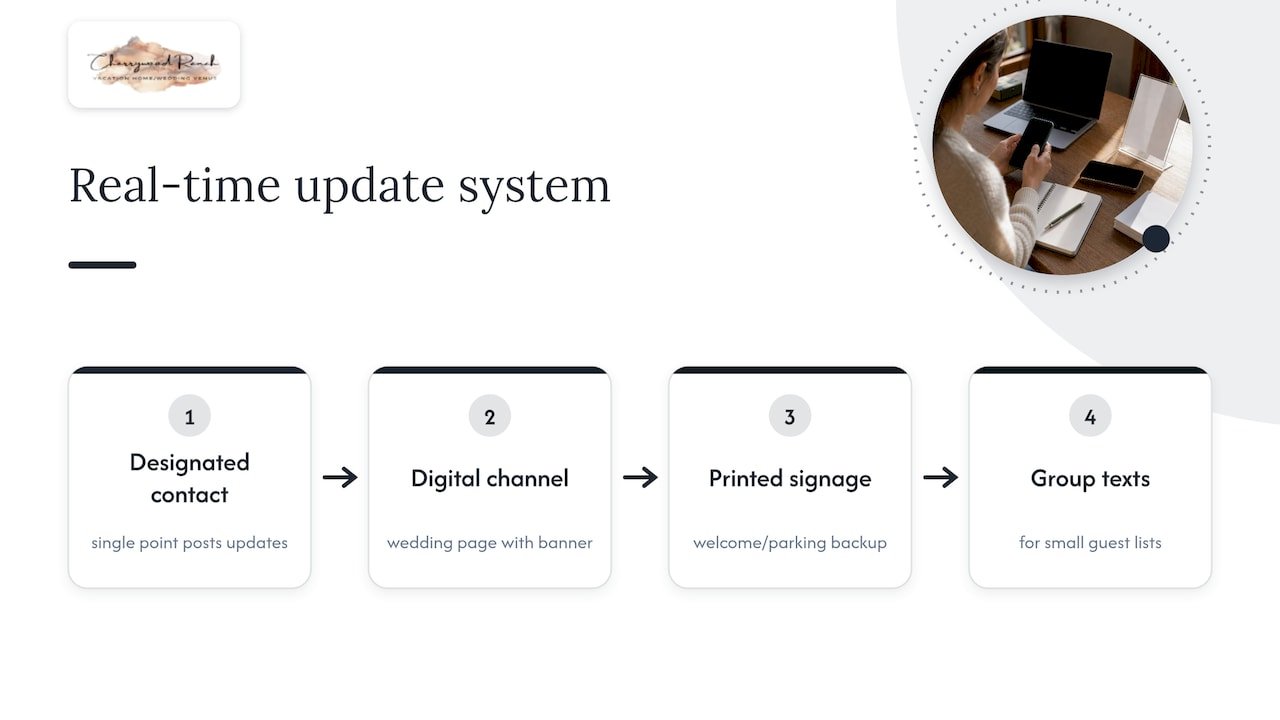
Whatever the method, guests should know in advance exactly where to look if plans shift, rather than guessing or asking around. That one decision, made before the wedding weekend even starts, prevents most of the real-time confusion that outdoor events are prone to.
13. A Planner’s View: What Actually Prevents Guest Problems
Hosting a wedding where everyone sleeps, eats, and gathers on one property removes most of the coordination failures I’ve seen trip up mountain weddings: late shuttles, lost guests, and mismatched timelines. One detail that consistently heads off trouble is a single, clearly labeled information point, digital or printed, that guests can return to whenever plans shift.
— Luis
Cherrywood Ranch: One Mountain Weekend, Fewer Moving Parts
A single property that handles the ceremony, the reception, and the sleepover removes most of the guest friction this guide covers. Cherrywood Ranch Wedding Venue pairs a private North Georgia mountain setting with onsite luxury lodging for up to 16 guests, resort-style amenities like a pool and hot tub, and tented ceremony options for weather backup, all without guests leaving the property between events.

This setup fits couples who want an intimate wedding weekend with family and friends close by, not a wedding where guests drive between three locations in one day. It works especially well for groups planning the kind of multi-day, low-logistics weekend this guide recommends.
- Wedding weekend packages with onsite lodging.
- Amenities including a pool and hot tub for shared downtime.
- Tented ceremony and reception space as a weather backup option.
Check availability and book your stay to see how a one-venue weekend could simplify your guest list’s weekend.
FAQ
What should guests wear to a mountain wedding?
Guests should dress in layers and plan for a notable temperature drop after sunset, choosing breathable fabrics in summer and heavier ones in fall or winter. Footwear matters most: block heels, wedges, or boots handle uneven ground far better than thin stilettos.
What is the 50/20/30 rule for weddings?
This term isn’t a standardized wedding planning rule with one agreed definition, so it’s worth confirming the source before relying on it. If a planner references it for your event, ask them directly what breakdown they mean.
What is the rarest month to get married?
Wedding date popularity varies by region and season, and no single source in this guide tracks that figure. Couples planning a mountain wedding typically choose late spring through early fall for milder weather, with fall also popular for foliage.
How much does a mountain wedding cost?
Cost depends heavily on guest count, lodging, and whether the venue bundles ceremony, reception, and accommodations into one package. At Cherrywood Ranch, elopement and multi-day wedding packages are priced individually, with guest-count fees applying beyond the first 10 and again past 75 guests.
Do mountain weddings need a weather backup plan?
Yes, a weather backup is considered standard for outdoor mountain weddings rather than a sign of poor planning. Hosts should decide the plan in advance and pick one clear channel, like a wedding website update, to notify guests if the ceremony location or timing shifts.