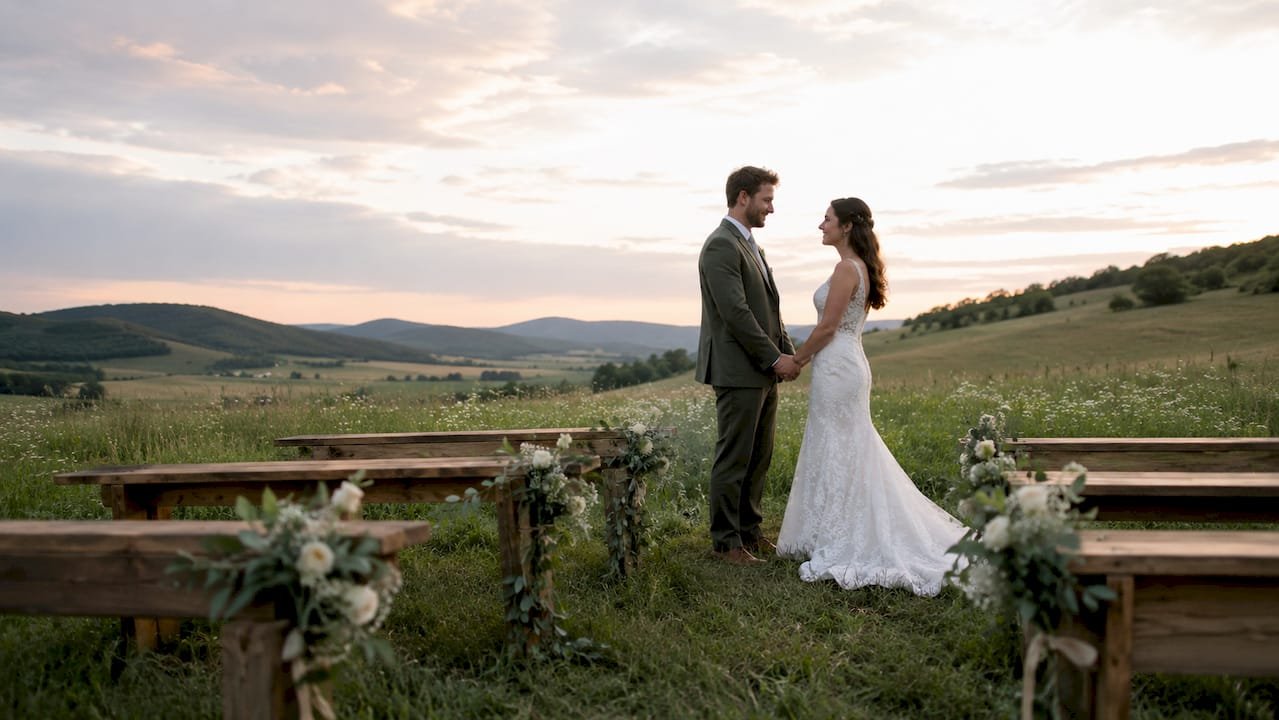
A secluded wedding venue is a private, often remote location chosen for its exclusivity, natural beauty, and intimate atmosphere. These sites sit apart from busy commercial districts and hotel ballrooms. They range from mountain estates and forest clearings to lakeside retreats and private vineyards. Couples who choose them want something more personal than a traditional banquet hall can offer. The industry term for this category is “private event venue,” though couples and planners widely use “secluded” to describe the combination of physical remoteness and exclusive access that defines the experience.
What is a secluded wedding venue, and what makes one?
A secluded wedding venue is defined by three qualities: physical separation from public spaces, exclusive use by one couple and their guests, and a natural or semi-natural setting that shapes the ceremony’s atmosphere. Venue exclusivity means no strangers walk through during your vows, no other weddings share the grounds, and the entire property belongs to your event. That level of control is the core appeal.
These venues attract couples who want their ceremony to feel personal rather than packaged. A hotel ballroom offers a predictable layout and a standard menu. A secluded site offers a moss-covered stone altar, a mountain ridge at sunset, or a dock extending over a private lake. The setting becomes part of the story. Intimate venues feel personalized in a way that large commercial spaces simply cannot replicate.
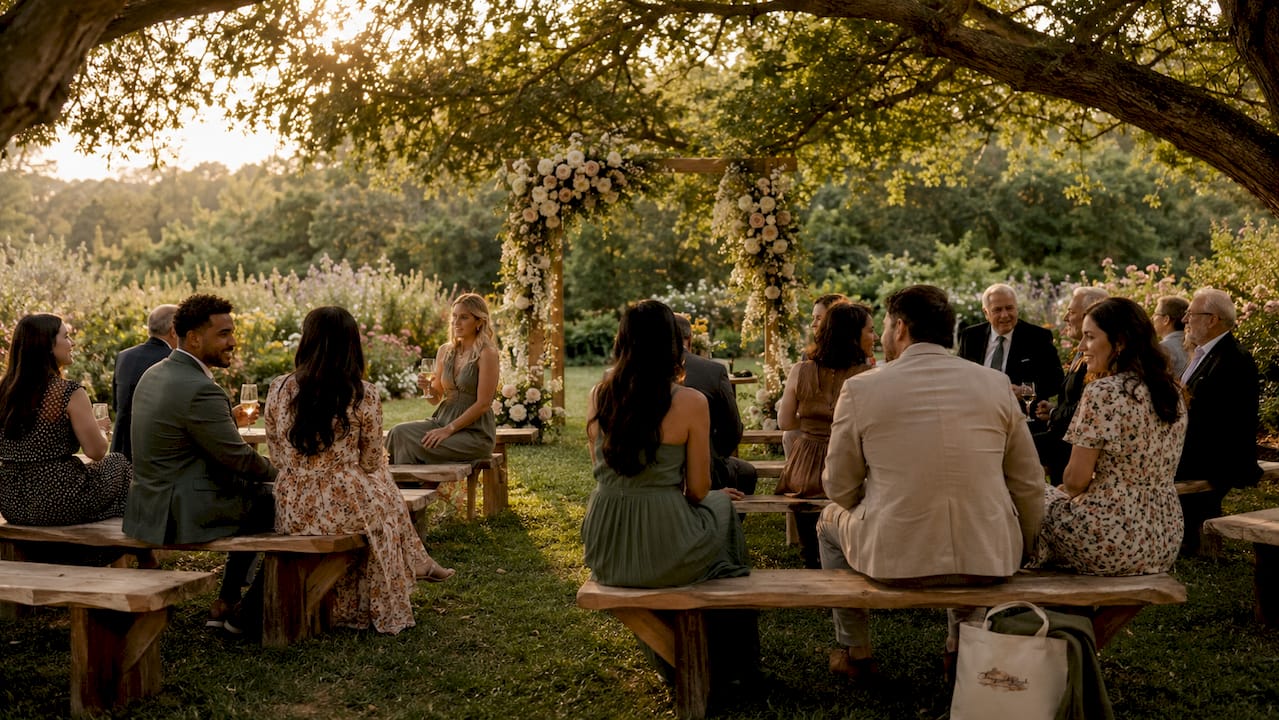
Secluded venues also tend to accommodate smaller guest counts, typically under 50 people, which reinforces the intimate atmosphere. That smaller scale lets couples invest more per guest in food, florals, and experience rather than spreading a budget thin across a crowd of 200.
Where are secluded wedding locations typically found?
Natural settings like forests, vineyards, lakesides, and private estates define the most sought-after secluded wedding locations. Each environment creates a distinct mood and visual palette for the ceremony and reception.
| Venue type | Signature feature | Best for |
|---|---|---|
| Mountain estate | Panoramic ridge views, cool air | Fall and spring ceremonies |
| Forest clearing | Canopy light, moss-covered ground | Rustic, woodland aesthetics |
| Lakeside retreat | Water reflections, dock access | Sunset ceremonies, boating |
| Private vineyard | Rolling rows, golden light | Wine-forward receptions |
| Ranch property | Open land, barn structures | Country and Western themes |
The physical environment does more than provide a backdrop. Backlit foliage in october turns ordinary portraits into editorial images. A vineyard at dusk creates warm, amber light that no studio can match. These natural conditions are free, but they require a venue with the right geography and orientation to capture them.
Eco-friendly and rustic venues have grown in popularity alongside this trend. Many secluded sites preserve their natural character intentionally, using reclaimed wood structures, native plantings, and minimal artificial lighting. That restraint keeps the setting authentic and reduces the visual noise that can make commercial venues feel generic.
Pro Tip: Visit your shortlisted venue at the same time of day you plan to hold your ceremony. Light changes dramatically between morning and late afternoon, and what looks stunning at noon may feel flat at 5:00 PM.
What logistical challenges come with remote wedding venues?
Remote wedding venues require planning steps that traditional venues handle automatically. Power, water, sanitation, and road access are standard at a hotel. At a secluded site, each one requires a separate decision and often a separate vendor.
-
Transportation. Private shuttles are essential at secluded venues because public transit does not reach them. Coordinate pickup points, timing, and return trips before sending invitations. Guests need clear instructions, not a GPS coordinate and a prayer.
-
Power supply. Many remote sites lack reliable grid power for lighting, catering equipment, and sound systems. Generator rental adds cost and requires placement far enough from the ceremony to reduce noise.
-
Sanitation. Upscale portable restroom trailers are available in most markets and bear little resemblance to construction-site units. Budget for them early. Running out of restroom capacity mid-reception is a fixable problem only if you planned for it.
-
Vendor access. Caterers, florists, and photographers all need to reach the site with equipment. Confirm road width, weight limits, and parking before signing contracts with any vendor.
-
Terrain and seasonal conditions. Seasonal ground conditions create accessibility issues for elderly guests and guests with mobility limitations. Ask the venue about mud management after rain, gravel paths, and any terrain features that require physical agility.
Couples should budget 10–20% of their total wedding expenditure for these site-specific logistics. That figure covers shuttles, generators, portable restrooms, and potential site improvements. Ignoring it produces budget shock three months before the wedding.
Professional wedding planners are strongly recommended for secluded weddings. A planner familiar with remote locations knows which vendors travel to rural sites, how to build contingency time into multi-vendor timelines, and how to handle the surprises that remote settings reliably produce.
Pro Tip: Ask your venue contact for a list of vendors who have worked the property before. Those vendors already know the access road, the power situation, and the quirks of the site. That knowledge saves hours of troubleshooting on your wedding day.
What benefits do private wedding venues offer over traditional ones?
Private wedding venues offer a level of creative freedom that traditional venues cannot match. Secluded venues function as a blank canvas, giving couples full control over decor, schedule, catering style, and ceremony structure. A hotel ballroom comes with house linens, a preferred caterer list, and a hard end time. A private estate comes with none of those constraints.
The benefits extend well beyond aesthetics:
- Exclusivity. No other events share the property. Your guests are the only people on site, which creates a sense of occasion that shared venues cannot replicate.
- Multi-day celebrations. Onsite lodging enables multi-day celebrations and immersive guest experiences. Guests who stay on the property wake up together, share breakfast, and extend the celebration naturally into the next morning.
- Photography. Natural backdrops produce images that look nothing like standard venue photography. Mountain ridges, forest light, and open water give photographers material that requires no artificial enhancement.
- Emotional connection. Ceremonies held in nature engage all five senses. Guests hear wind through trees, smell pine or wildflowers, and feel the temperature of the air. That sensory richness makes the event memorable in a way that a climate-controlled ballroom cannot.
“The most meaningful weddings I have attended were not the most expensive. They were the ones where the setting made you feel like the world had been cleared away and only the people who mattered were left.”
Exclusive weekend celebrations on private estates extend the experience beyond a single afternoon. Couples who choose this format report that the weekend format deepens connections between guests who might otherwise exchange only brief pleasantries at a reception.
How do you choose the best secluded venue for your wedding?
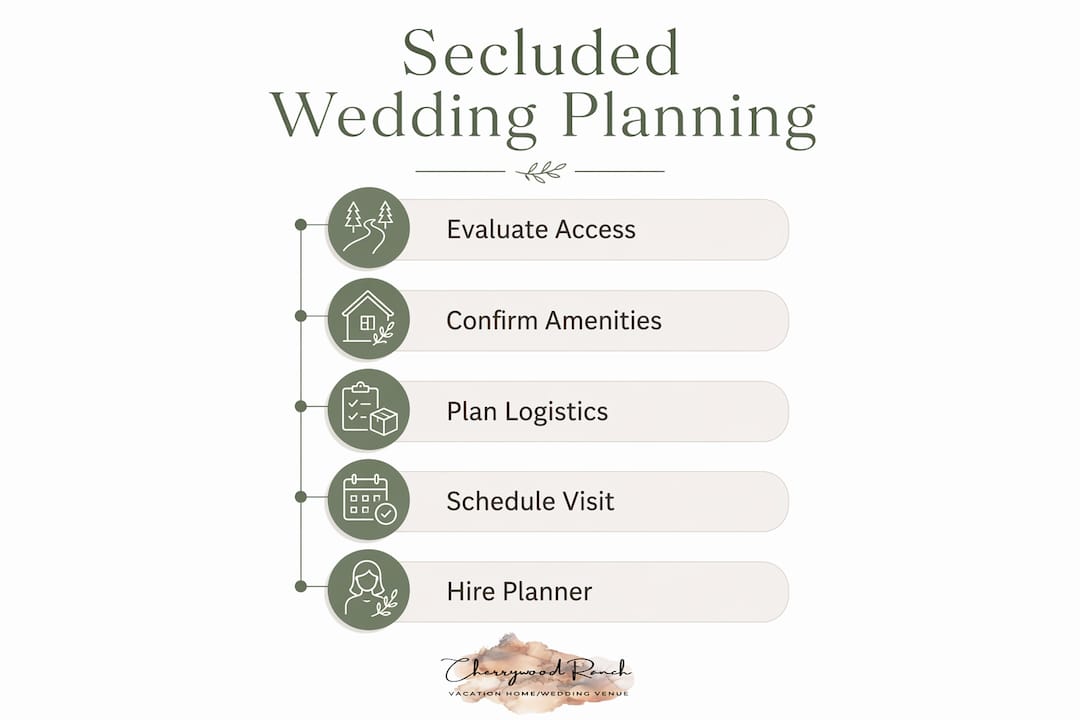
Choosing the right secluded venue requires evaluating five factors before signing any contract. Transportation, accommodations, and vendor logistics are the most critical, because a beautiful setting becomes a liability if guests cannot reach it comfortably.
Work through this checklist when comparing candidates:
| Evaluation factor | What to confirm |
|---|---|
| Guest access | Paved or gravel road? Distance from nearest town? |
| Onsite lodging | Cabins, guesthouses, or nearby hotel partnerships? |
| Vendor access | Road width, parking, and load-in hours? |
| Power and utilities | Grid power, generator capacity, restroom facilities? |
| Terrain | Flat ceremony area? Accessible paths for elderly guests? |
| Exclusivity | Single-event policy? Neighboring properties visible? |
Atmosphere and size matter as much as logistics. A venue that holds 150 guests feels empty with 20. A site designed for 20 feels right for an elopement or micro-wedding. Match the venue’s natural capacity to your guest count before falling in love with the scenery.
Pro Tip: Request a site visit after heavy rain. Mud, standing water, and soft ground reveal access problems that dry-weather visits hide entirely. If the venue cannot accommodate a rainy-day visit, ask for photos from the last significant rainfall.
Venues with cabins nearby solve the lodging problem without requiring guests to book separate hotels. That convenience keeps the group together and reduces the coordination burden on the couple. For couples planning a drivable wedding destination, proximity to a major city matters more than it might seem. A two-hour drive is manageable. A four-hour drive with no lodging on site becomes a barrier for older guests.
Key Takeaways
A secluded wedding venue delivers exclusivity, natural beauty, and creative freedom that traditional venues cannot offer, but requires disciplined logistical planning to execute well.
| Point | Details |
|---|---|
| Definition matters | A secluded venue combines physical remoteness, exclusive use, and a natural setting. |
| Budget for logistics | Allocate 10–20% of your wedding budget for site-specific costs like shuttles and generators. |
| Hire a specialist planner | Planners experienced in remote locations prevent the surprises that derail secluded weddings. |
| Onsite lodging changes everything | Venues with lodging enable multi-day celebrations and keep guests connected. |
| Match size to guest count | A venue built for 20 guests creates intimacy; the same venue with 100 guests creates chaos. |
Why secluded venues reward the couples who plan hardest
I have seen couples choose a secluded venue for the photographs and arrive on wedding day unprepared for everything else. The generator was not booked. The caterer had never driven the access road. Three guests in formal wear navigated a muddy path in the dark. The ceremony was still beautiful, but the stress was entirely avoidable.
The couples who thrive at secluded venues treat the planning phase like a project, not a mood board. They visit the site twice, once in ideal conditions and once in bad weather. They confirm vendor experience with remote locations before signing contracts. They build 90-minute buffers into the day’s timeline because remote sites always produce at least one delay.
What I find most striking is how consistently guests remember these weddings years later. The setting does something to memory that a hotel ballroom cannot. When you ask someone about a wedding they attended at a mountain ranch or a lakeside clearing, they describe the air, the light, and the feeling of being somewhere that felt chosen rather than rented. That is the real return on the extra planning effort.
— Luis
Cherrywoodranchweddingvenue: a secluded North Georgia setting
Cherrywoodranchweddingvenue sits in the North Georgia Mountains and combines a private wedding location with an elegant vacation home for up to 16 guests. The property offers mountain views, outdoor ceremony spaces, a pool, and a hot tub, giving couples and their closest guests a full weekend experience rather than a single-afternoon event.
Cherrywoodranchweddingvenue handles the logistical challenges that make secluded venues difficult. Onsite lodging keeps guests together, and the property’s infrastructure removes the generator and sanitation questions that plague truly remote sites. Couples planning an intimate ceremony in the Georgia mountains can review the full property details and availability on the destination wedding venue Georgia page.
FAQ
What is a secluded wedding venue?
A secluded wedding venue is a private, often remote location that offers exclusive use, natural surroundings, and an intimate atmosphere separate from commercial event spaces. These sites include mountain estates, forest clearings, lakeside retreats, and private ranches.
How much extra should I budget for a secluded venue?
Budget an additional 10–20% of your total wedding expenditure for site-specific costs including guest transportation, generator rental, portable restrooms, and vendor travel fees.
Do I need a wedding planner for a remote venue?
Yes. Professional planners experienced in remote locations are strongly recommended because they coordinate multi-vendor logistics, manage timelines, and anticipate the infrastructure gaps that secluded sites routinely present.
What are the best types of secluded wedding locations?
The most popular types include mountain estates, private vineyards, forest clearings, lakeside retreats, and working ranches. Each offers a distinct visual character and sensory atmosphere that shapes the entire event.
Can guests stay onsite at a secluded venue?
Many secluded venues offer onsite lodging or cabin rentals that allow guests to stay on the property, extending the celebration across an entire weekend and creating a more connected experience for everyone involved.